
Insights & Updates
Beverage Filling Machine Features That Matter in Production
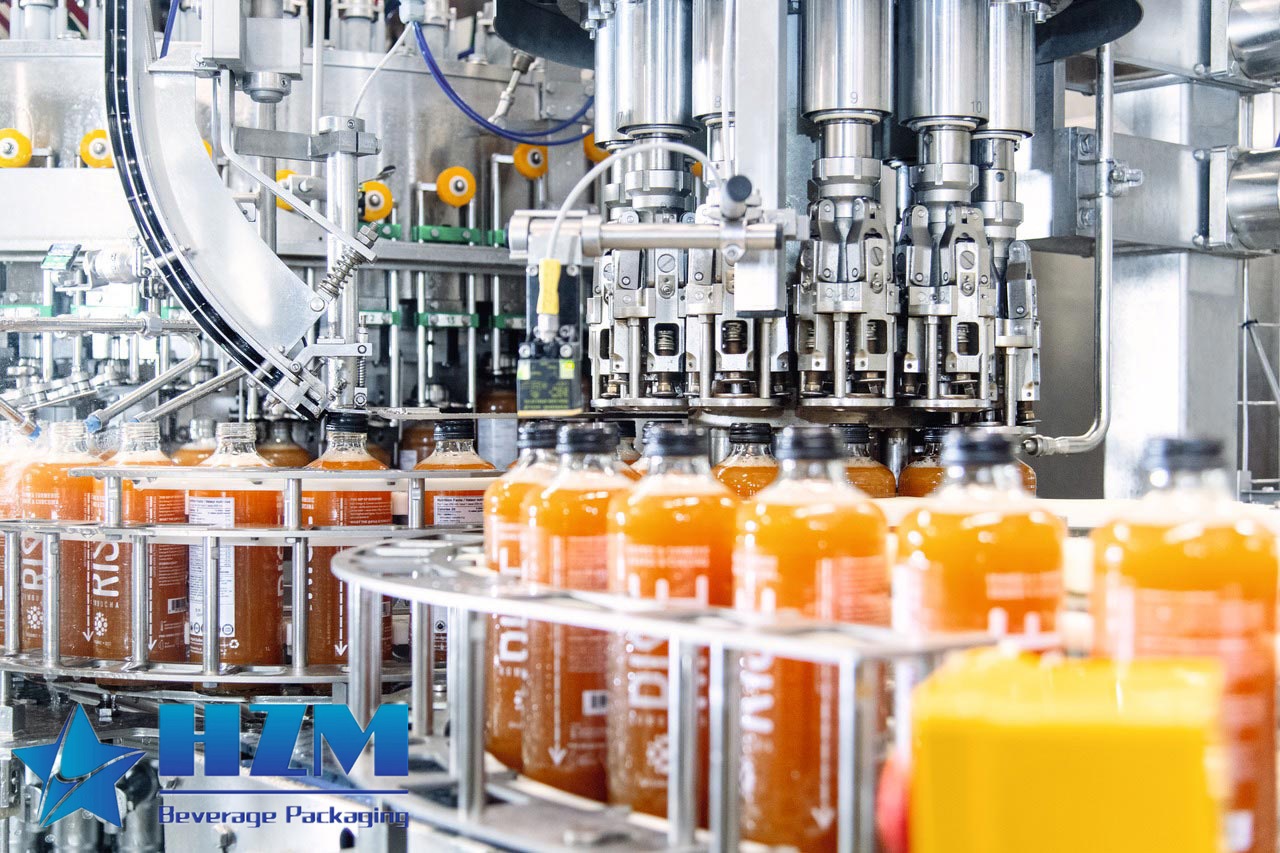
Two beverage filling machines can have a similar stainless-steel appearance and the same advertised bottles-per-hour figure, yet perform very differently in daily production. The differences become visible during changeovers, sanitation, a short downstream stop, a lightweight bottle trial or the first difficult product.
For buyers, the most important “features” are therefore not cosmetic options. They are design decisions that protect product quality, keep containers stable, shorten recovery time and make the equipment maintainable over many years.
1. Filling technology matched to the beverage
Still water, hot-filled juice, carbonated soft drink and viscous edible oil do not need the same valve or product path. Gravity or normal-pressure filling can suit low-viscosity still products. Carbonated beverages normally require controlled pressure equalization to limit foaming and carbon-dioxide loss. Hot-fill equipment must tolerate the defined product temperature and support hygienic control.
A supplier should ask about viscosity, temperature, carbonation, particles, foaming tendency and cleaning method before recommending a machine. If the discussion begins and ends with bottle size and speed, important process risk is still undefined.
2. Product-contact design and cleanability
Product-contact surfaces should be compatible with the beverage and cleaning chemicals, with smooth transitions and hygienic connections where required. The design should minimize stagnant pockets and allow product and cleaning solution to reach the intended surfaces.
Ask how valves, tanks and pipes are cleaned, how drainage is achieved and which components need manual removal. A CIP system can automate time, temperature, concentration and flow sequences, but the connected equipment must be designed as a cleanable circuit.
3. Stable container handling
Many apparent “filling” problems start before the beverage reaches the valve. Poor bottle transfer causes scuffing, tipped containers, neck damage and intermittent stops. Look at infeed spacing, neck or base handling, star-wheel geometry, guide adjustment and discharge conditions.
Lightweight PET bottles, glass bottles and cans need different handling strategies. Trials should use production containers, caps and labels—not only a generic factory sample. If multiple formats are planned, confirm exactly which change parts and adjustments each one requires.
4. Accuracy defined under real operating conditions
Accuracy claims should identify the product, container, target quantity and test method. Stable supply pressure, temperature, carbonation and valve condition affect the result. Ask for an acceptance method that covers all filling positions and a representative production run.
Also consider product giveaway. A line can meet the legal minimum while consistently overfilling, converting an apparently small setting error into significant annual product cost. Useful controls include recipe management, position-level monitoring and a clear calibration procedure.
5. Integrated rinsing, filling and capping
A monoblock transfers containers between rinsing, filling and capping without long open conveyors. This can improve control, reduce footprint and simplify synchronized operation. The value depends on correct change parts, accessible cleaning, stable cap delivery and an appropriate filler for the product.
When reviewing a 3-in-1 PET bottle filling monoblock, check the complete path: bottle infeed, rinsing medium, drip control, fill valve, cap elevator, chute, capping head and discharge.
6. Fast, repeatable changeovers
A machine that runs quickly but takes hours to convert between bottles may be a poor fit for a high-SKU business. Request a changeover list that identifies parts to replace, tools required, settings to enter and expected time with a trained team.
Good design uses clear scales, keyed parts, recipe storage and accessible adjustment points. It also prevents the wrong part from being installed where practical. The downstream labeler and packer must be included in the changeover study; filler time alone is misleading.
7. Controls that help operators solve problems
An HMI should show actionable alarms, machine states, production counts and permitted recipe settings. It should be possible to identify where the line stopped and why without searching multiple cabinets. Access levels protect critical parameters while allowing operators to perform normal work.
Useful data may include valve-level reject trends, downtime reasons, speed loss and cap faults. More data is not automatically better. The goal is information the team can use to improve availability and quality.
8. Safe access and maintainability
Routine inspection, lubrication and replacement points should be reachable using the approved isolation procedure. Check guard access, lifting needs, spare-part identification and whether common wear components can be changed without dismantling unrelated assemblies.
Ask which parts are proprietary, which are standard industrial components and what remote support is available. Documentation should cover operation, cleaning, preventive maintenance, electrical drawings, pneumatic diagrams and a recommended spares list.
9. Complete-line communication and accumulation
The filler does not operate alone. A short stop at the labeler should cause a controlled slowdown or accumulation response, not a cascade of fallen bottles. Line controls should exchange status with blow molding, conveying and packaging equipment.
A complete beverage filling line proposal should show actual operating speeds, buffer assumptions and the expected rate for the commercial pack—not merely the filler nameplate speed.
10. Total cost instead of purchase price alone
Compare utilities, product loss, changeover labor, cleaning time, spare parts and expected maintenance. A lower purchase price can be erased by compressed-air demand, excess water use or frequent format downtime. Define a realistic annual production schedule and calculate cost against saleable output.
Questions to include in the machine specification
- Which beverage and container conditions support the quoted speed and accuracy?
- What are the required product, air, water, steam and electrical conditions?
- Which formats are included and what change parts are required?
- How will cleaning be performed and verified?
- What acceptance tests will be completed before shipment and on site?
- Which training, documentation, commissioning and spare parts are included?
The best machine is not the one with the longest option list. It is the one whose process, container handling, hygiene and controls match the products the factory will actually sell. Send HZM the beverage specification, bottle drawings, closure, label, pack format and production schedule to receive a configuration built around those operating conditions.
Talk to our engineering team
Need help planning your packaging line?
Share your product, bottle and capacity requirements for a practical equipment recommendation.
2023-07-31
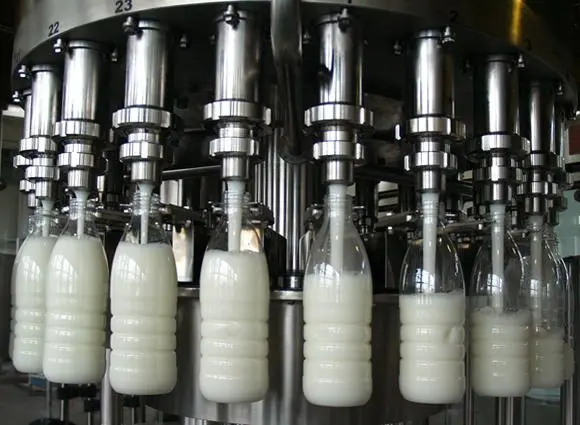
How to Choose a Milk Filling Machine: 10 Features That Matter
Choose a milk filling machine by product risk, package, hygiene, filling method, CIP readiness, changeover, line integration, and service—not by speed alone.
Learn more