
Insights & Updates
How to Plan a Carbonated Beverage Production Line: A Practical Setup Guide
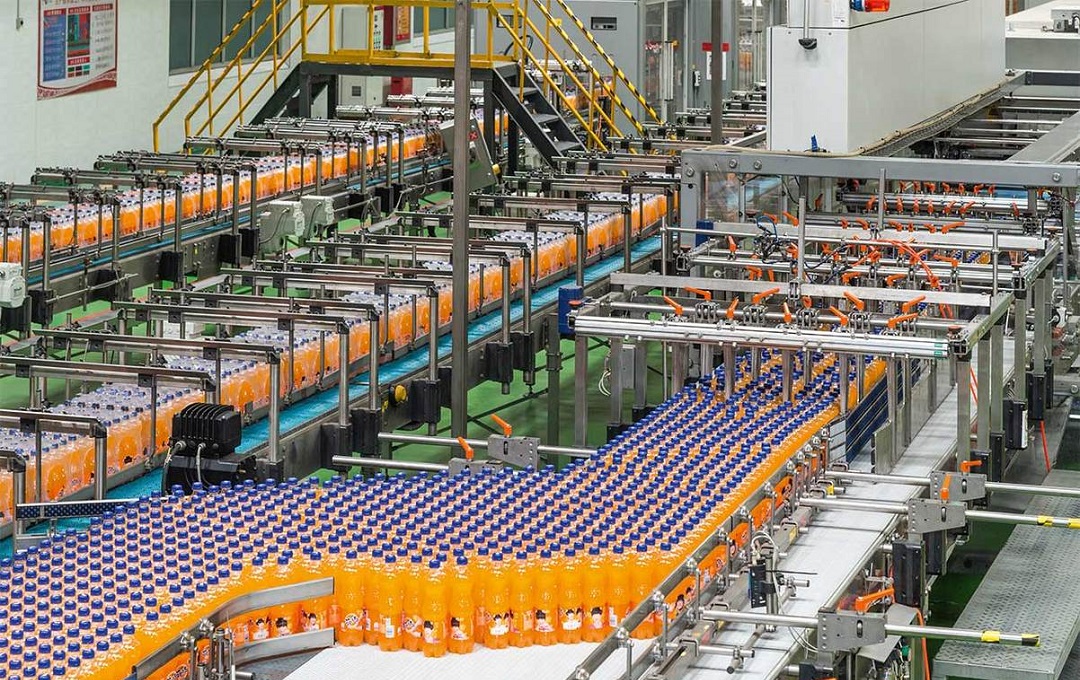
A carbonated beverage line should not be purchased as a collection of machines. It has to be designed as one process, from treated water and syrup preparation to carbonation, filling, labeling and palletizing. Most expensive start-up problems begin before the equipment is ordered: the bottle has not been finalized, the available CO2 supply is unstable, the utility room is undersized, or the filler capacity does not match the packer.
The planning work is easier when the project team turns the commercial idea into a clear production brief. The guide below explains what that brief should contain and where buyers commonly lose time or money.
1. Freeze the product and package data first
Before discussing machine models, define the beverage and the sellable pack. A supplier cannot size a carbonator, filler or cooling system correctly from a request such as “10,000 bottles per hour” alone.
- Beverage: cola, flavored soda, sparkling water, energy drink or another carbonated product.
- Recipe conditions: syrup ratio, target Brix, acidity, preservatives, pulp or other inclusions.
- Carbonation: target CO2 volume at the specified product temperature.
- Container: PET bottle, glass bottle or can, with drawings and real samples when available.
- Pack sizes: every bottle volume, diameter, height, neck finish and cap type.
- Output: required net output for each size, not only the theoretical speed of the fastest machine.
- Secondary pack: shrink film, tray-and-film, carton, crate or multipack.
CO2 dissolves more readily in a cold product. If the beverage enters the carbonator too warm, a higher pressure will not fully compensate; foaming at the filler and inconsistent carbonation are likely. Product temperature therefore belongs in the design brief, not in a later commissioning discussion.
2. Map the complete process, not just the filler
A typical soft-drink project includes water treatment, sugar dissolving, syrup filtration, blending, cooling, carbonation, container handling, isobaric filling, closure application, coding, labeling and packing. The exact sequence changes with the recipe and package, but every interface needs a defined flow rate and buffer strategy.
Water and syrup preparation
Treated water quality affects taste, product stability and cleaning performance. The water-treatment design should be based on a laboratory analysis of the source water. Sugar dissolving tanks, filters and blending tanks must be sized for the batch schedule; a fast filler is of little use if the syrup room cannot prepare the next batch in time.
Cooling and carbonation
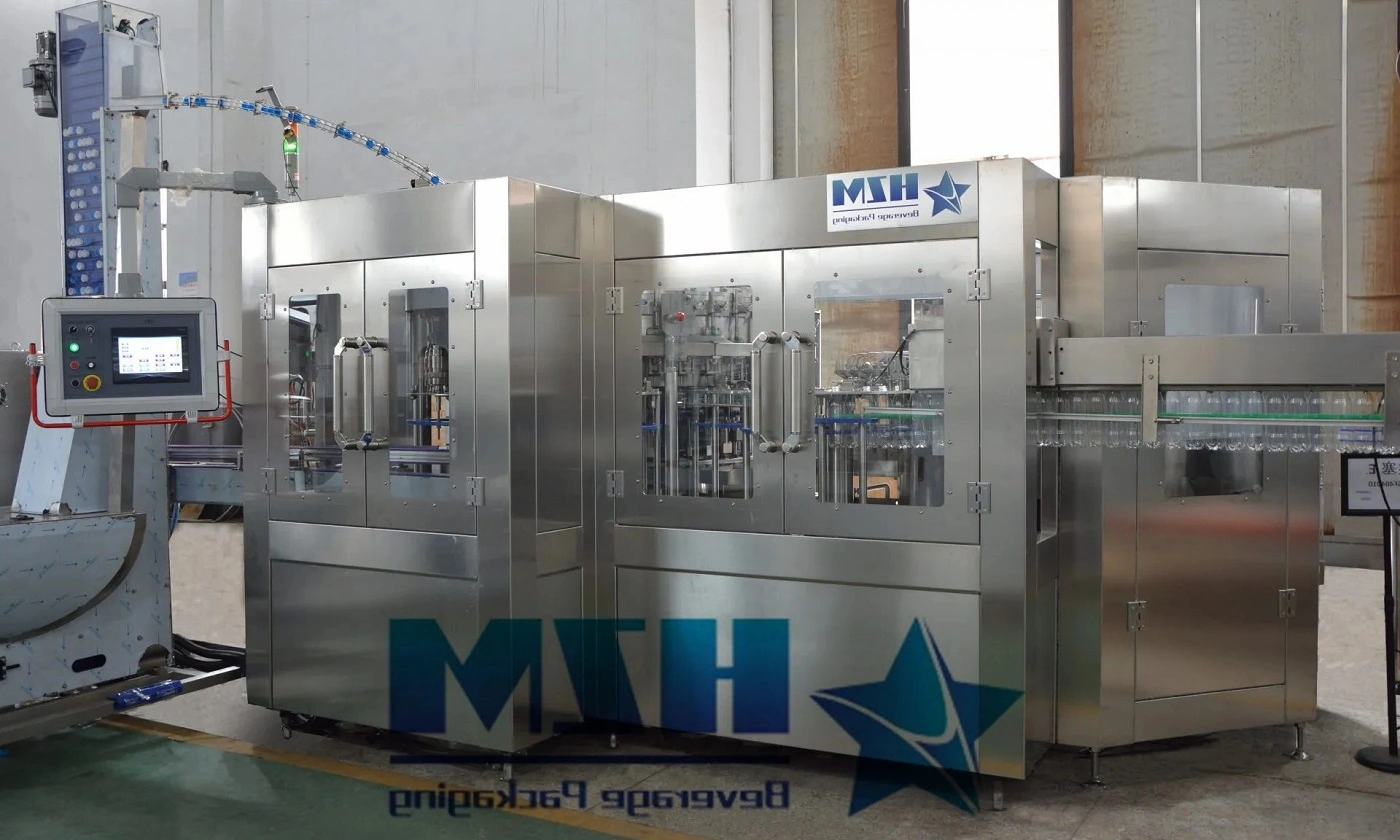
The mixer meters water and syrup, removes entrained air where required, cools the product and dissolves CO2 under controlled pressure. Buyers should ask how Brix, temperature, level and gas pressure are measured, and how the recipe is recovered after a stop. For a deeper look at the filling section, see HZM’s carbonated soft drink filling line.
Container, filling and packaging
PET projects may include an in-house blow molder and air conveyor. Glass bottles require suitable infeed, inspection and often different washing arrangements. The isobaric filler, capper, conveyor, labeler and packer should be speed-balanced with realistic allowances for changeovers and short stops.
3. Confirm utilities before the layout is approved
Utility shortages are a frequent cause of poor factory acceptance results. Ask the line supplier for peak and average consumption, then let the relevant utility specialist include a reasonable reserve.
| Utility | What must be confirmed | Typical planning risk |
|---|---|---|
| Electrical power | Voltage, frequency, connected load and peak starting load | An undersized transformer or unstable supply trips the line |
| Compressed air | Pressure, flow, dryness and air quality | Pressure drops affect actuators and PET blowing |
| Process and cooling water | Flow, temperature, pressure and water quality | Warm cooling water causes unstable carbonation |
| CO2 | Food-grade specification, pressure, storage and vaporization capacity | Gas pressure or purity varies during production |
| Steam or hot water | Required pressure, flow and return arrangement | Syrup preparation and CIP cannot run together |
| Drainage | Floor falls, channel capacity and discharge rules | Cleaning water collects around equipment |
4. Design the factory around movement and hygiene
A useful layout shows more than machine footprints. It includes operator access, maintenance pull space, chemical storage, laboratory access, raw-material routes, packaging-material routes, finished-goods traffic and drainage. Raw and finished product paths should not cross unnecessarily. Wet processing areas should be separated from dry packaging areas where practical.
Allow room for future SKUs, but do not create long, uncontrolled conveyors simply to fill an oversized hall. Accumulation should be placed where it protects a critical machine or enables a predictable recovery after a stop.
5. Build food safety and cleaning into the specification
Product-contact materials, weld finish, valve design, pipe slope and drainability matter more than a polished exterior. Specify the required stainless-steel grade, gasket compatibility and cleaning method. The CIP program must cover the mixer, product pipelines and filler circuits with verified time, temperature, concentration and flow.
Hygienic design also includes practical access. Operators need to inspect filling valves, cap chutes, tanks and conveyor transfer points without improvising unsafe workarounds.
6. Agree on acceptance tests before paying the final balance
A good factory acceptance test uses the agreed container and closure. It should check sustained output, fill level, cap performance, product loss, alarm handling, changeover tasks and the accuracy of supplied documents. The site acceptance test should repeat the critical measurements with the buyer’s utilities and actual product.
“The machine ran” is not an acceptance criterion. Write measurable targets into the contract: net bottles per hour, permitted reject rate, fill tolerance, cap torque range, carbonation result and the time required for a defined changeover.
Information to send when requesting a quotation
- Product name, recipe characteristics, target Brix and target CO2 volume.
- Container and closure drawings plus physical samples.
- Required output for every bottle size and the planned hours per shift.
- Desired secondary packaging and pallet pattern.
- Source-water report and available utility conditions.
- Factory drawing with columns, doors, ceiling height and drainage points.
- Local food-safety, electrical and pressure-vessel requirements.
- Preferred automation level, spare-parts scope and operator language.
A proposal based on this information is easier to compare and far less likely to hide later additions. The goal is not to buy the largest machine. It is to build a balanced line that can hold recipe, carbonation and package quality through an entire production shift.
Talk to our engineering team
Need help planning your packaging line?
Share your product, bottle and capacity requirements for a practical equipment recommendation.
Equipment
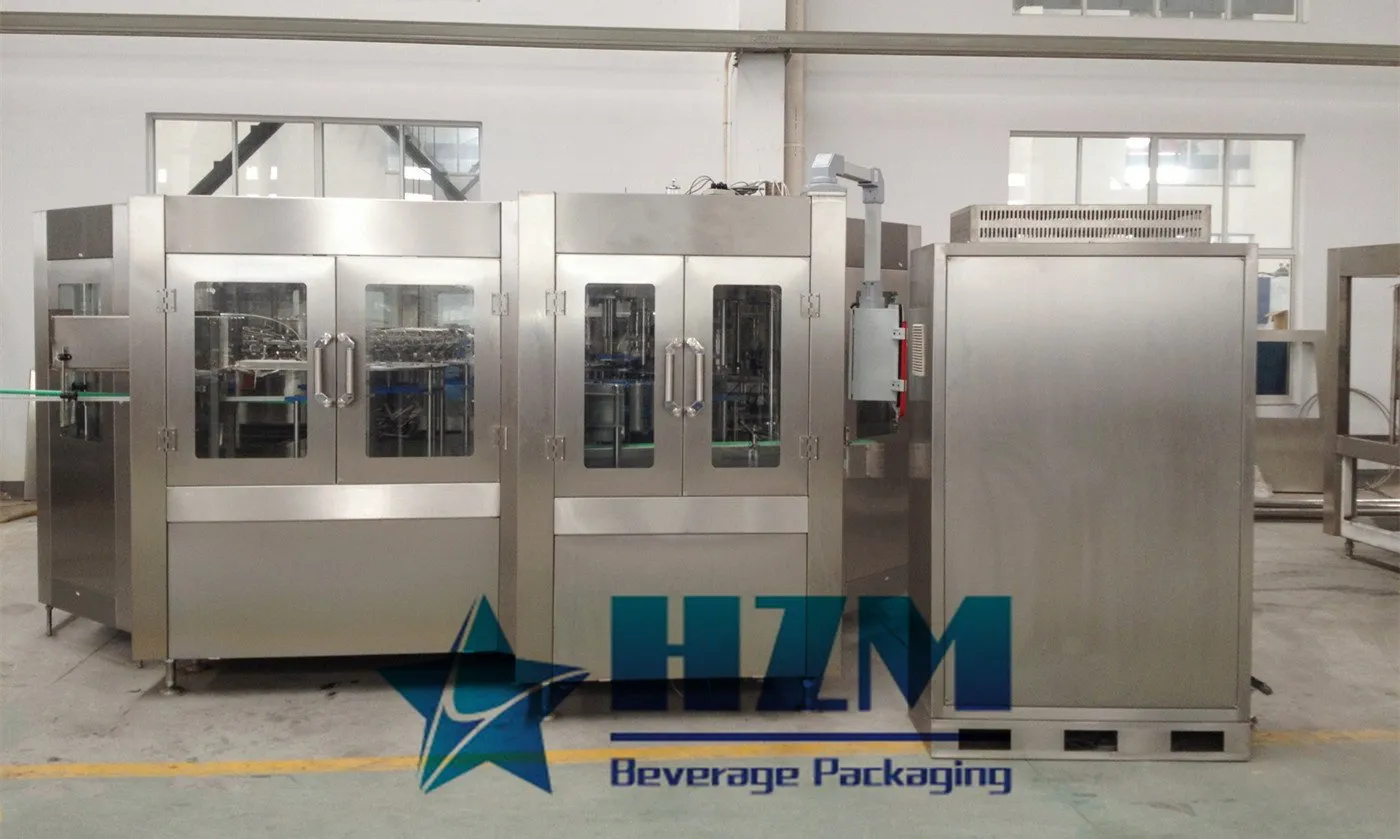
PET Bottle CSD Beverage Filling Machine
Automatic PET bottle rinsing, isobaric filling and capping for cola, soda water and other carbonated soft drinks.
Learn more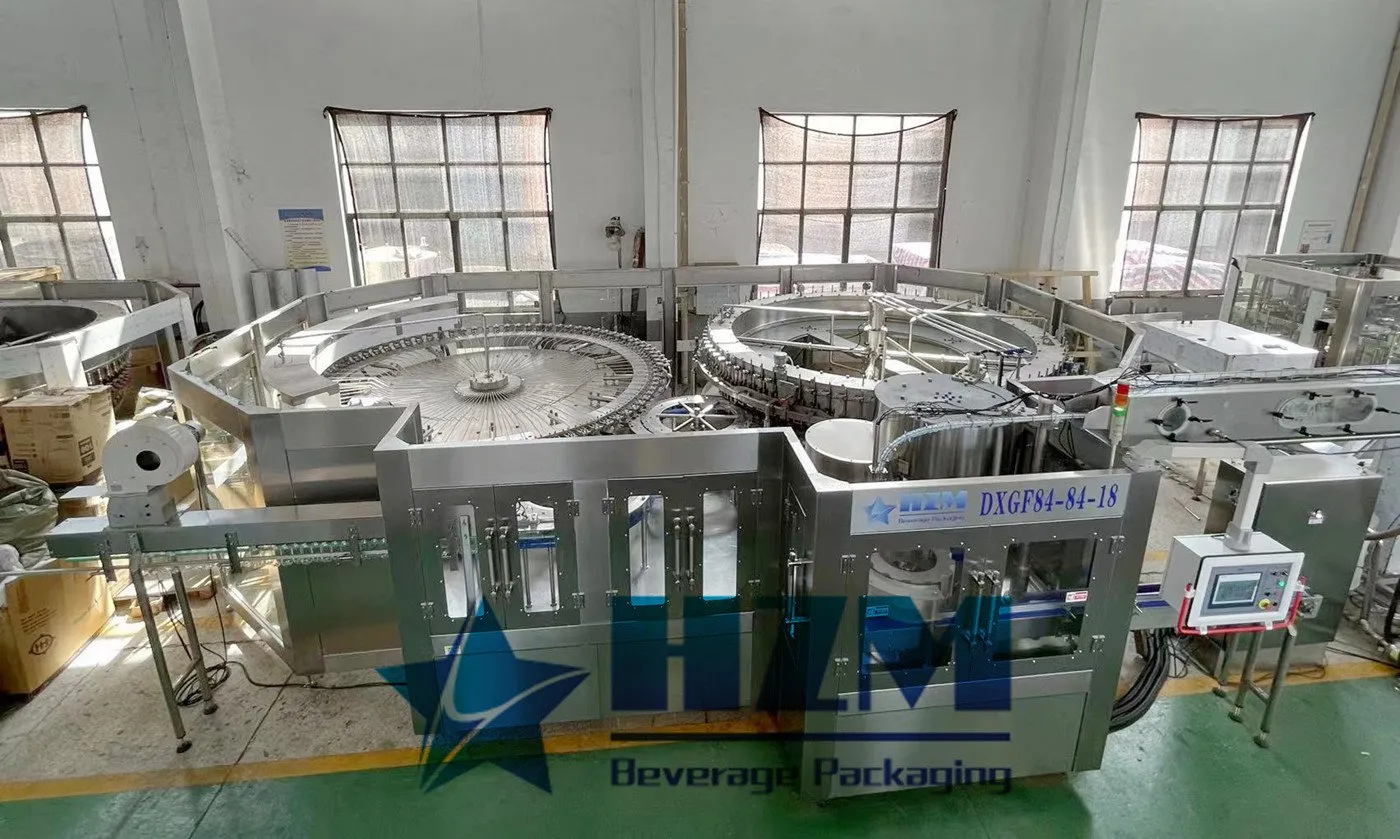
Equipment
Carbonated Drinks Filling Machine
Carbonated drink rinsing, isobaric filling and capping for PET bottles, with capacities of 4,000–36,000 bottles/hour at 500 ml.
Learn more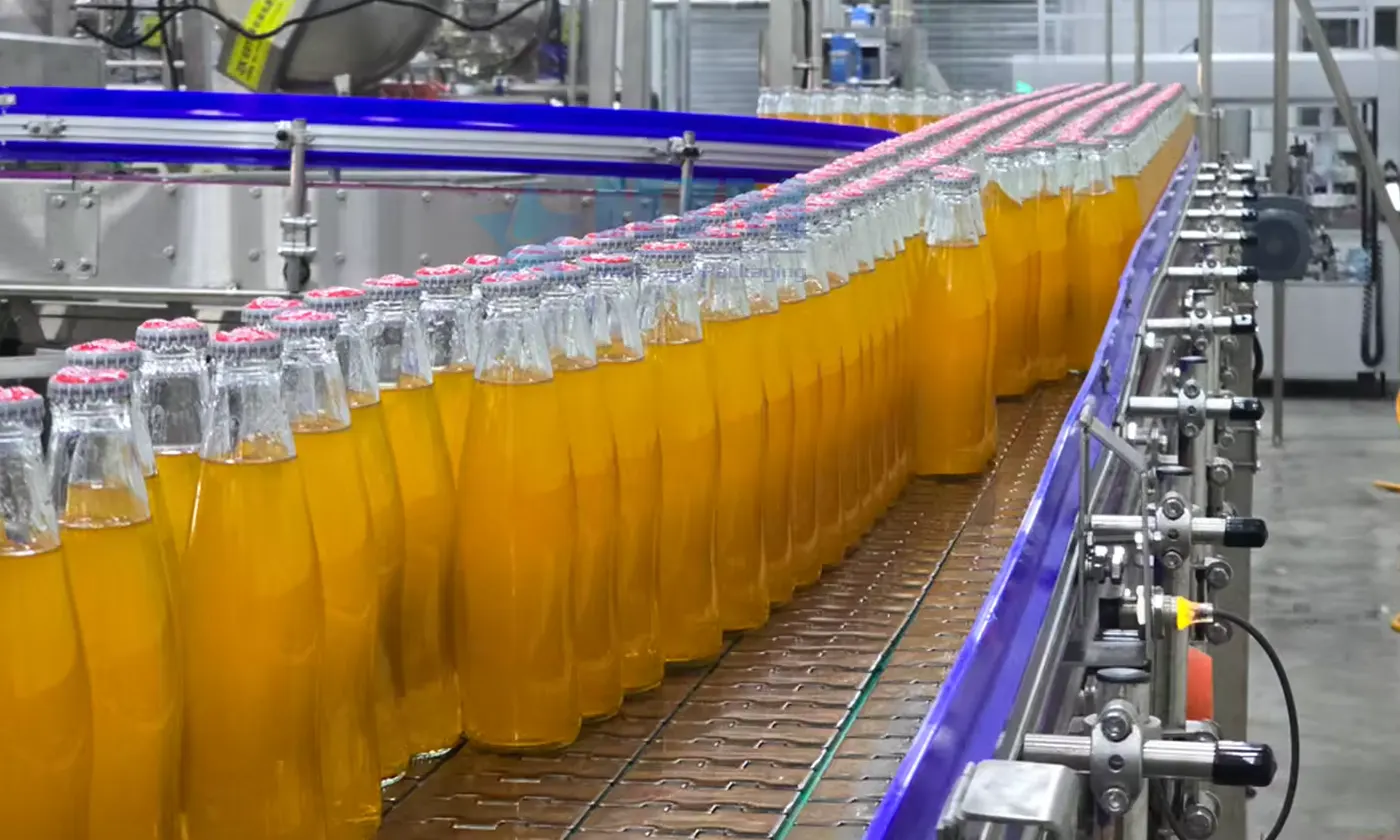
Equipment
Glass Bottle Carbonated Beverage Filling Bottling Line
This glass bottle carbonated beverage line combines bottle rinsing, isobaric filling and capping with conveying, labelling and packing.
Learn more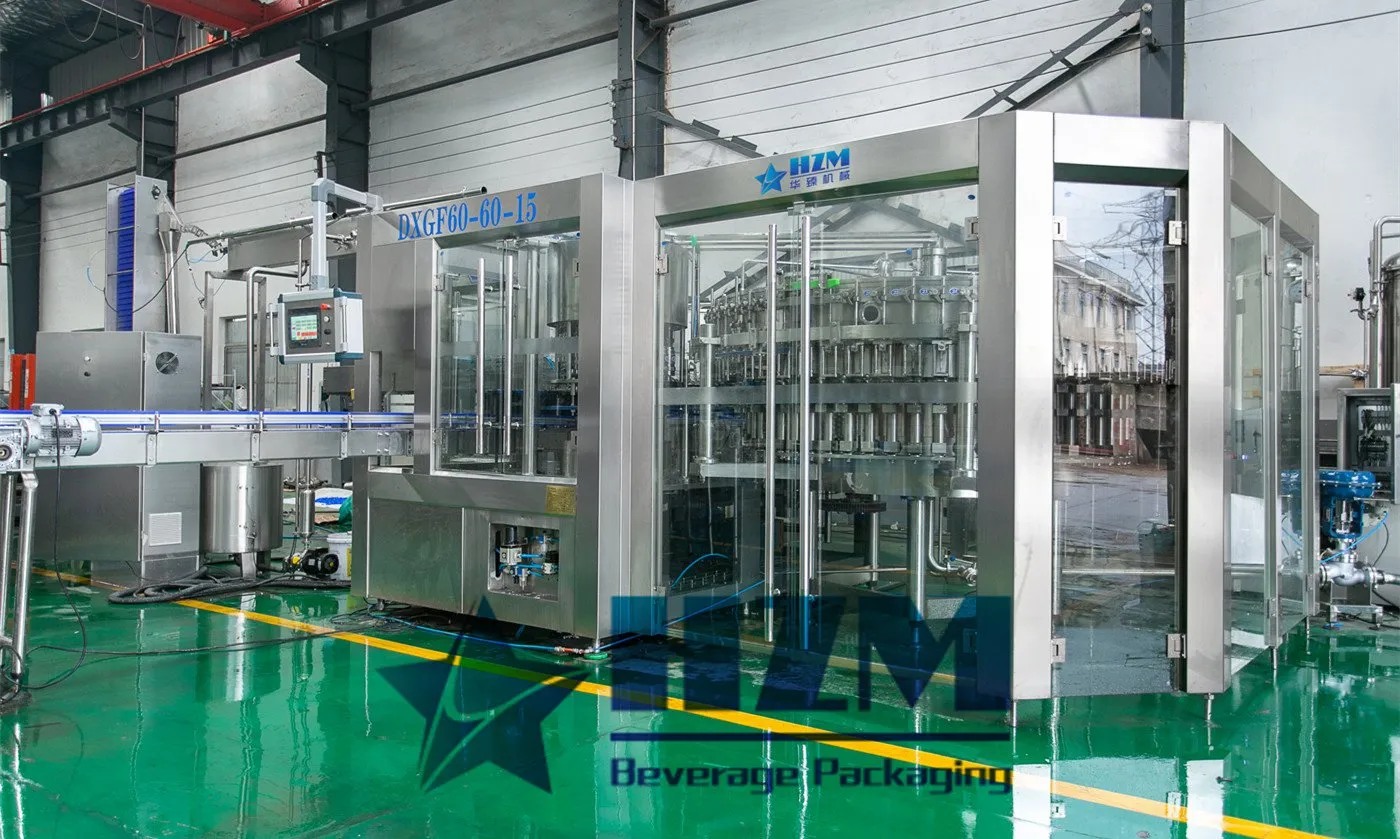
Equipment
Soda Water Filling Machine
Soda water filling equipment with bottle rinsing, isobaric filling and capping for PET-bottled sparkling water.
Learn more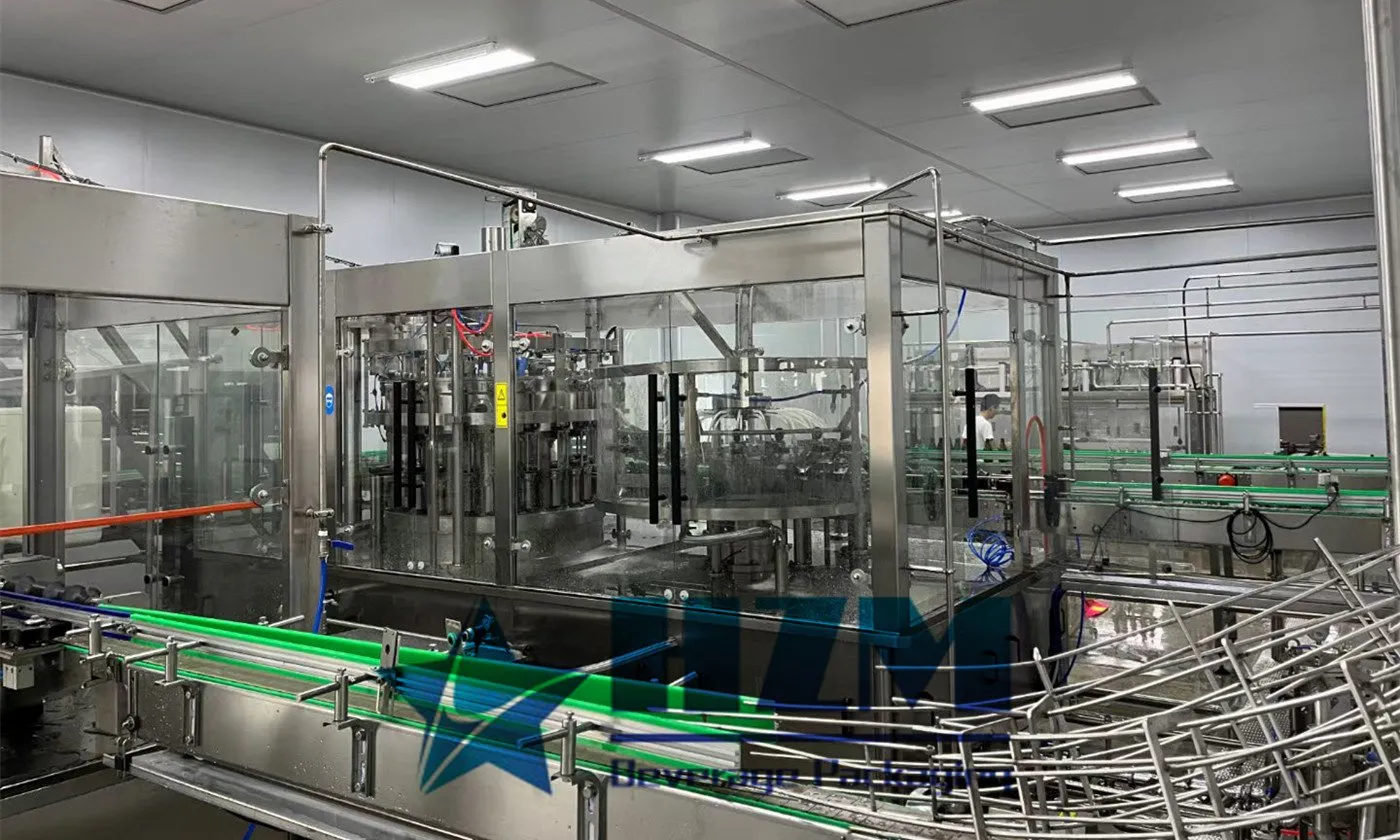
Equipment
CSD Beverage Can Filling Machine
CGS can filling and seaming for carbonated beverages, with capacities of 6,000–36,000 cans/hour at 330 ml.
Learn more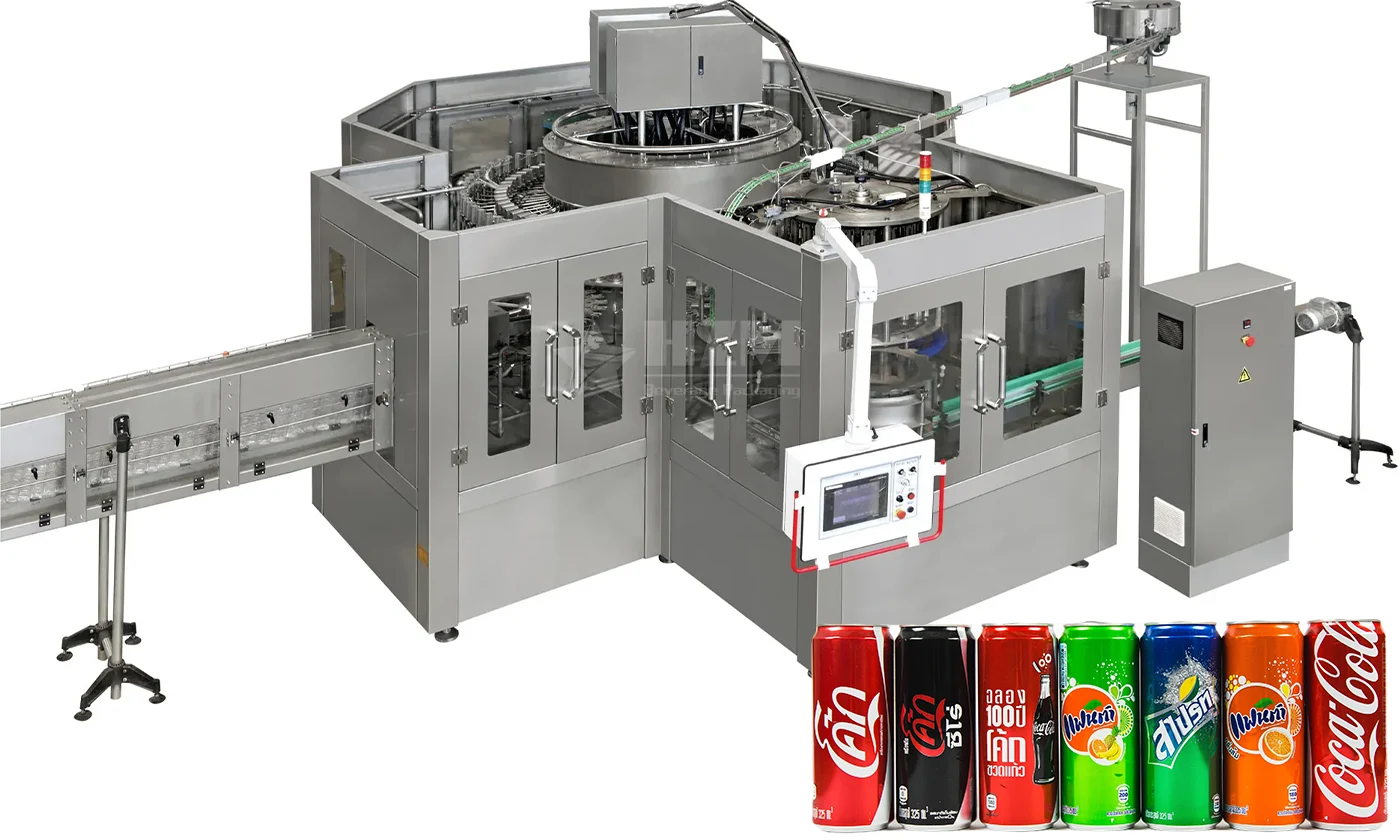
Equipment
Carbonated Beverage Can Filling Machine
Automatic carbonated beverage can filling and seaming, with CGS capacities of 6,000–36,000 cans/hour at 330 ml.
Learn more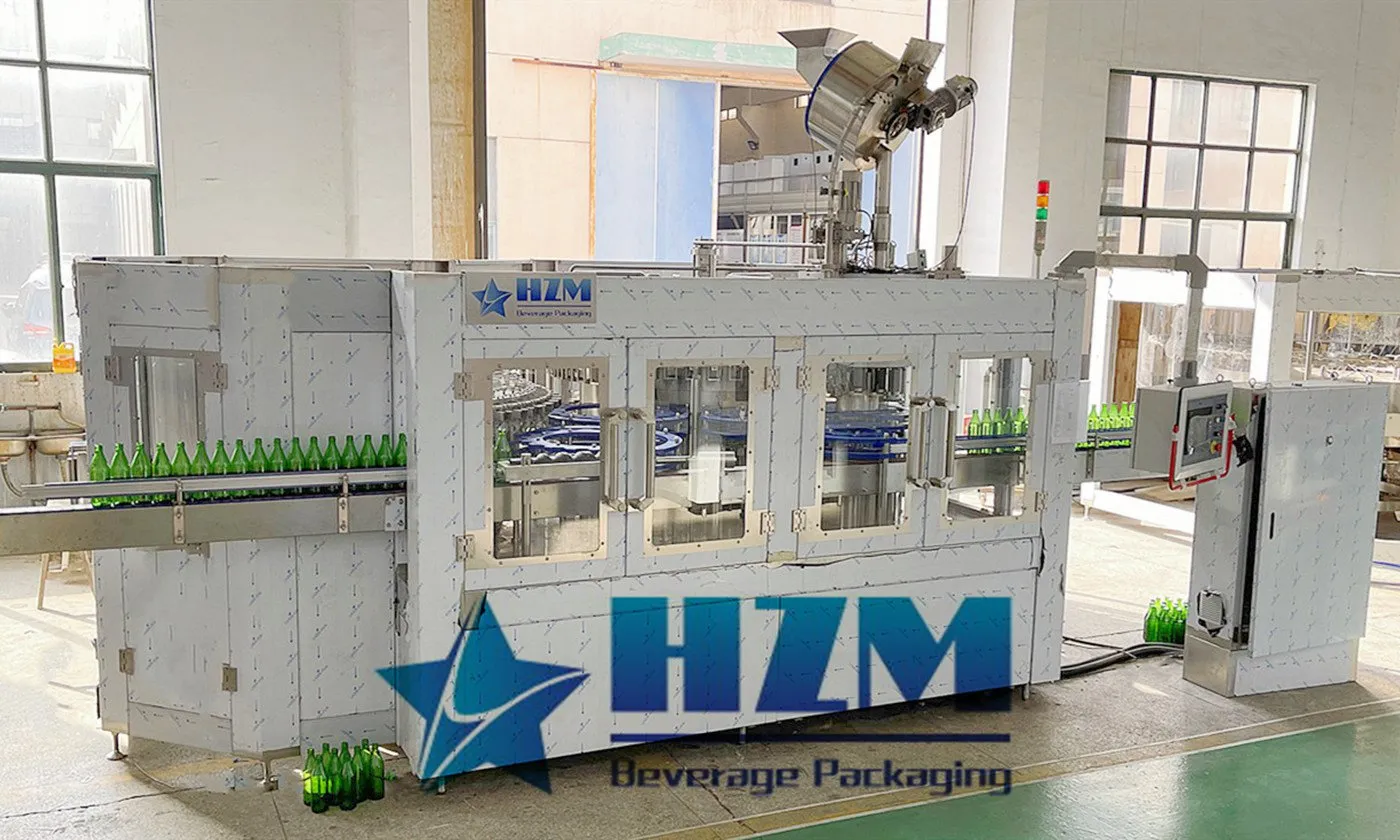
Equipment
Glass Bottle CSD Beverage Filling Machine
Glass bottle filling for carbonated beverages, with isobaric filling and capacities of 2,000–20,000 bottles/hour at 500 ml.
Learn more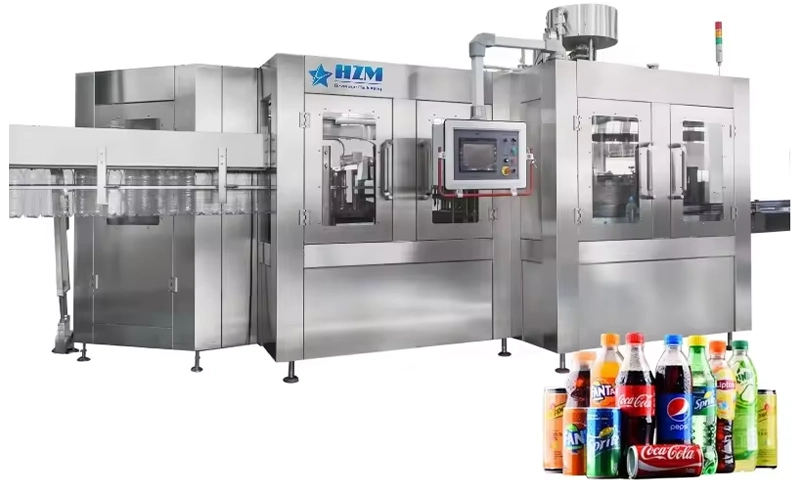
Equipment
Carbonated Soft Drink Filling Machine
Carbonated soft drink rinsing, isobaric filling and capping, with DXGF models from 3,000 to 15,000 bottles/hour at 500 ml.
Learn more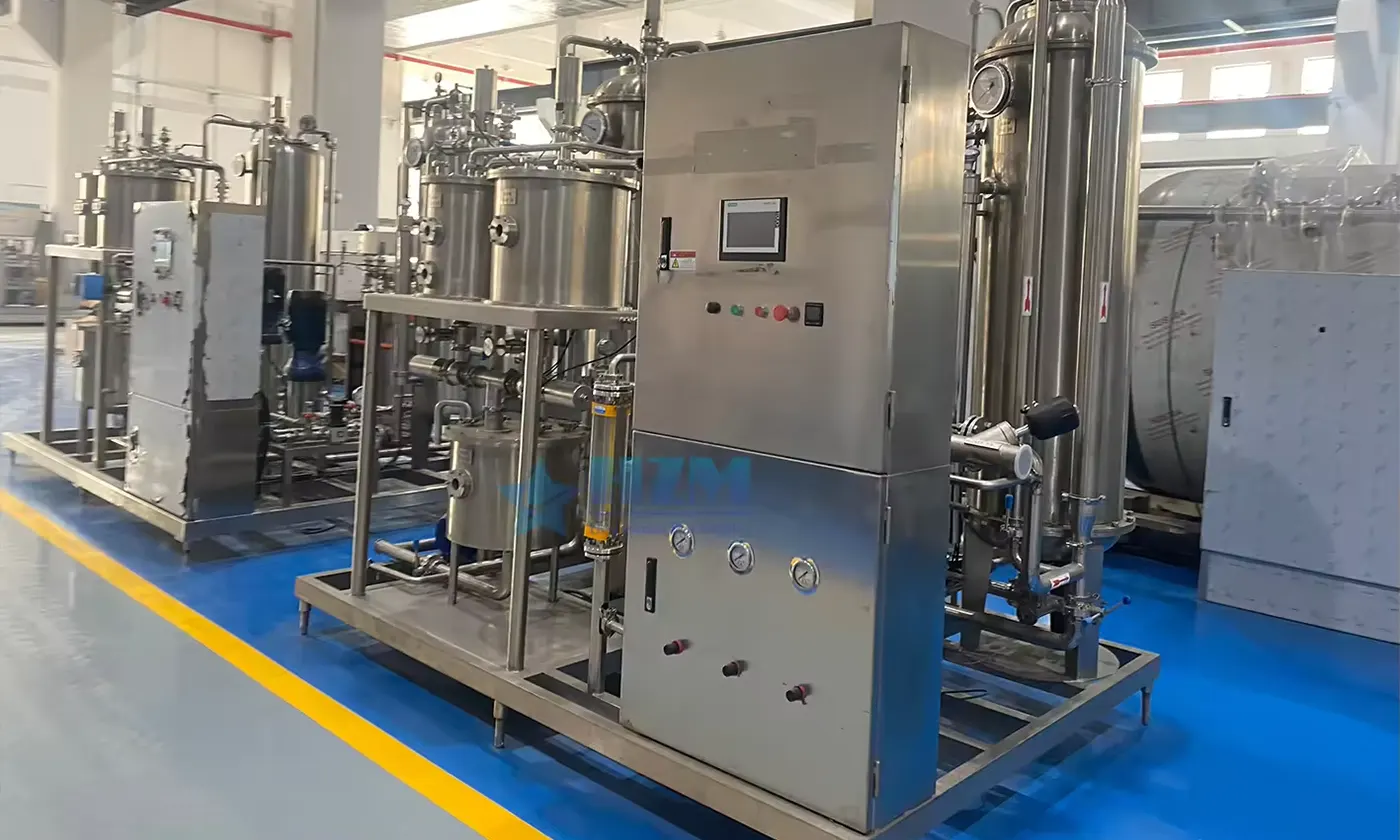
Equipment
Carbonated Drink Co2 Mixer Machine
The CO2 mixer blends beverage ingredients and carbonates the drink before filling.
Learn more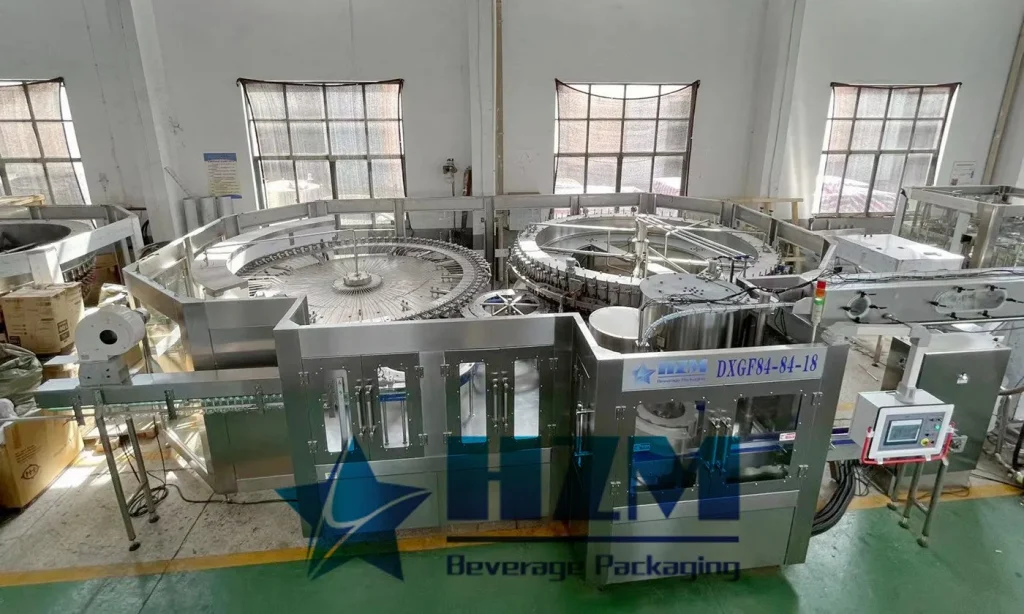
2023-08-17
Purchasing Plan for Carbonated Drink Filling Machine
In the beverage production industry, acquiring a suitable Carbonated Drink Filling Machine is a critical decision that ensures efficient operation of the production line and product quality
Learn more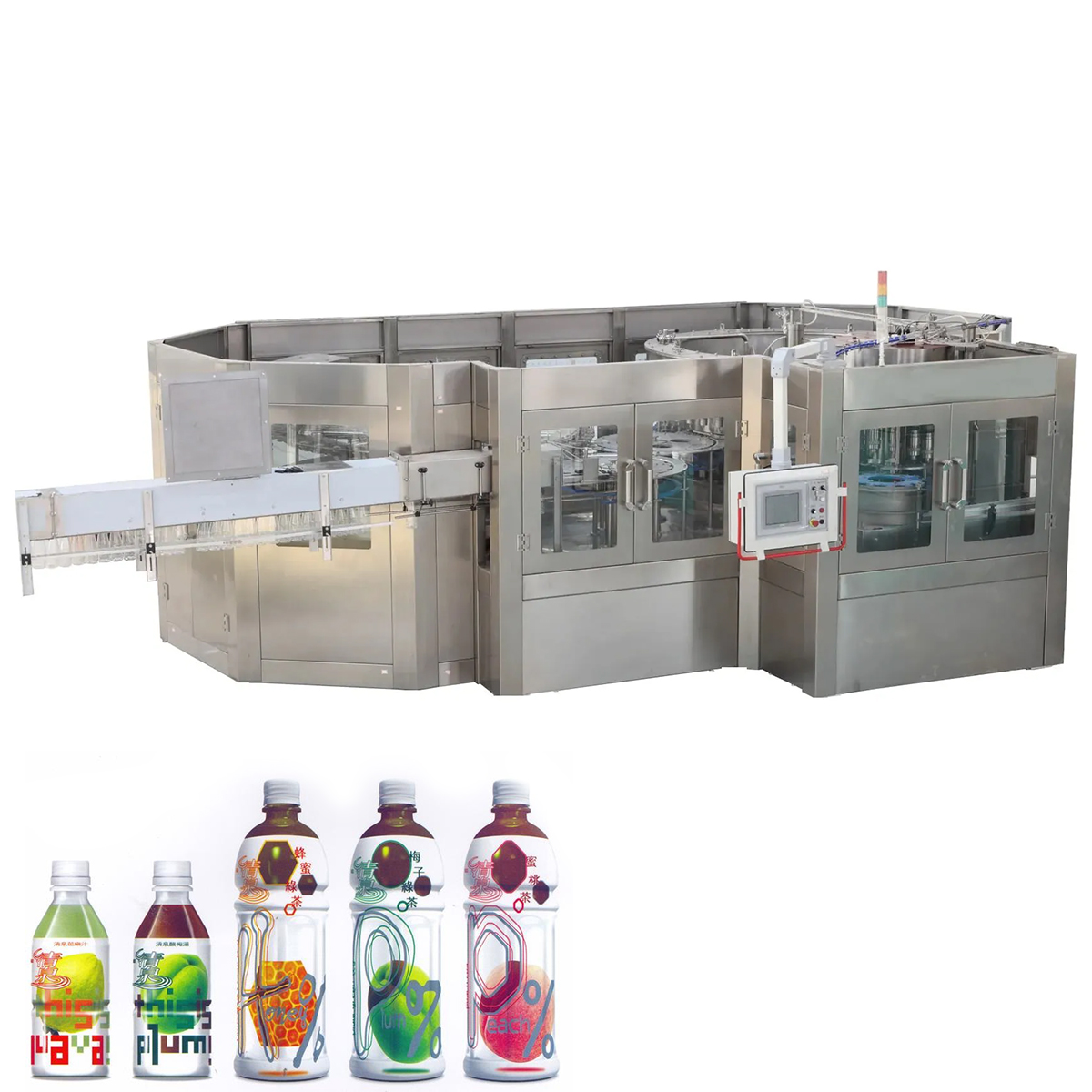
2023-07-19
Machinery and Equipment Required for Beverage Production Line
Creating an efficient beverage production line requires a comprehensive consideration of equipment performance, capacity, hygiene standards, energy consumption, and other factors. Selection and configuration of equipment should be based on specific production needs.
Learn more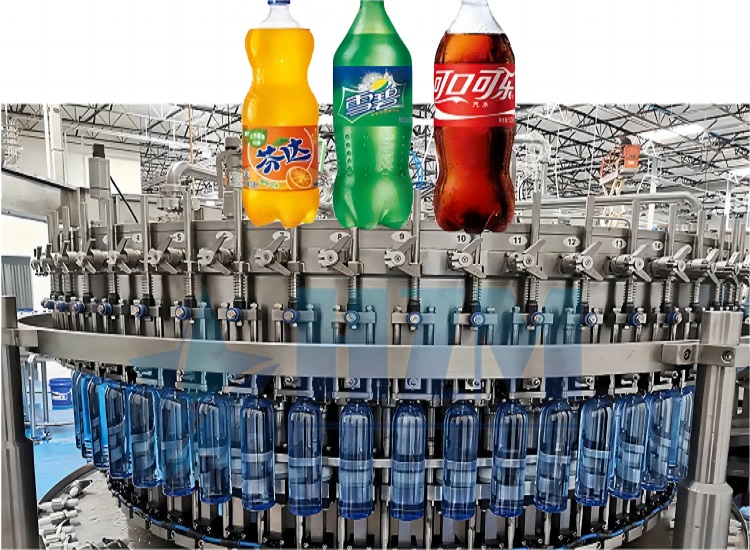
2023-08-18
carbonated beverage production equipment solutions
Carbonated beverage production equipment is commonly utilized for the production of carbonated sweetened drinks, commonly known as carbonated beverages or carbonated drinks.
Learn more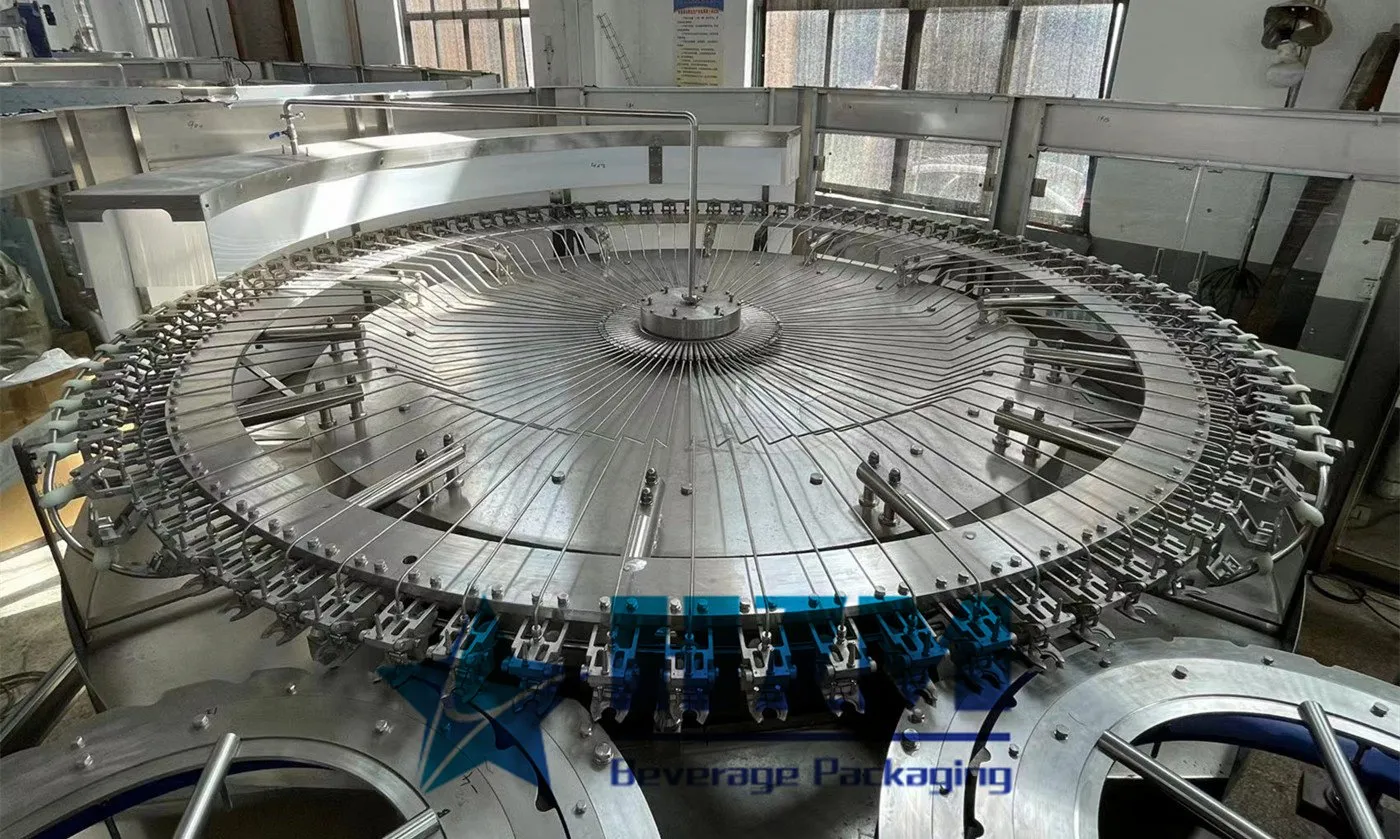
2024-03-29
Enhancing Beverage Carbonation Equipment
Beverage carbonation equipment plays a pivotal role in producing both large and small bottled carbonated beverages. Through processes like sugar blending, it crafts preliminary beverages, which are then treated in a soda blending machine. Here, the beverage undergoes deoxygenation, followed by proportional mixing of the original syrup and water. The resulting mixture is then atomized […]
Learn more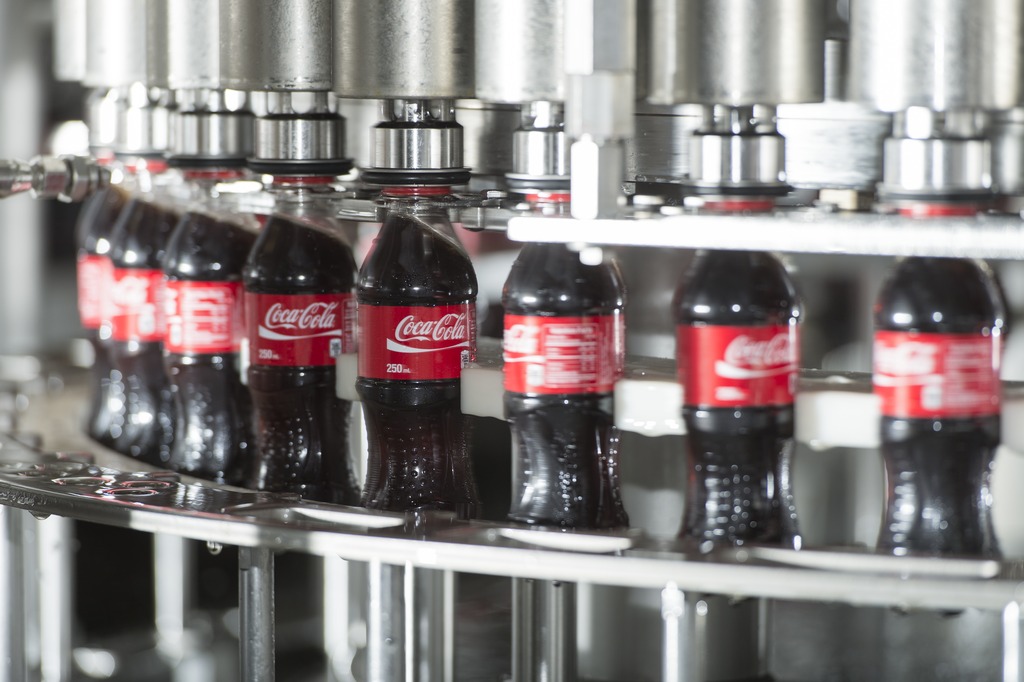
2023-04-22
Carbonated Beverage Filling Machine Solution
Carbonated beverage filling equipment is used for filling sweetened drinks containing carbon dioxide, commonly known as carbonated drinks or carbonated beverages. They typically consist of water
Learn more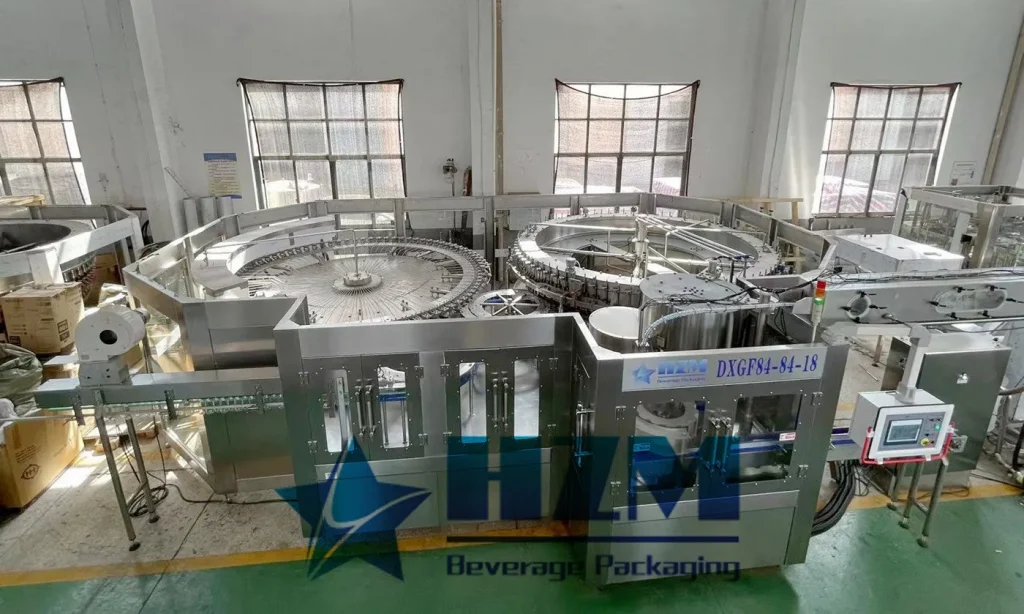
2023-09-22
Choosing Between Used and New Carbonated Beverage Filling Machines
When it comes to setting up or expanding your carbonated beverage production line, one of the critical decisions you'll face is whether to invest in a new or used carbonated beverage filling machine. Both options have their advantages and disadvantages, and making the right choice depends on your specific needs and circumstances.
Learn more