
Insights & Updates
What Equipment is Needed to Produce Bottled Drinking Water
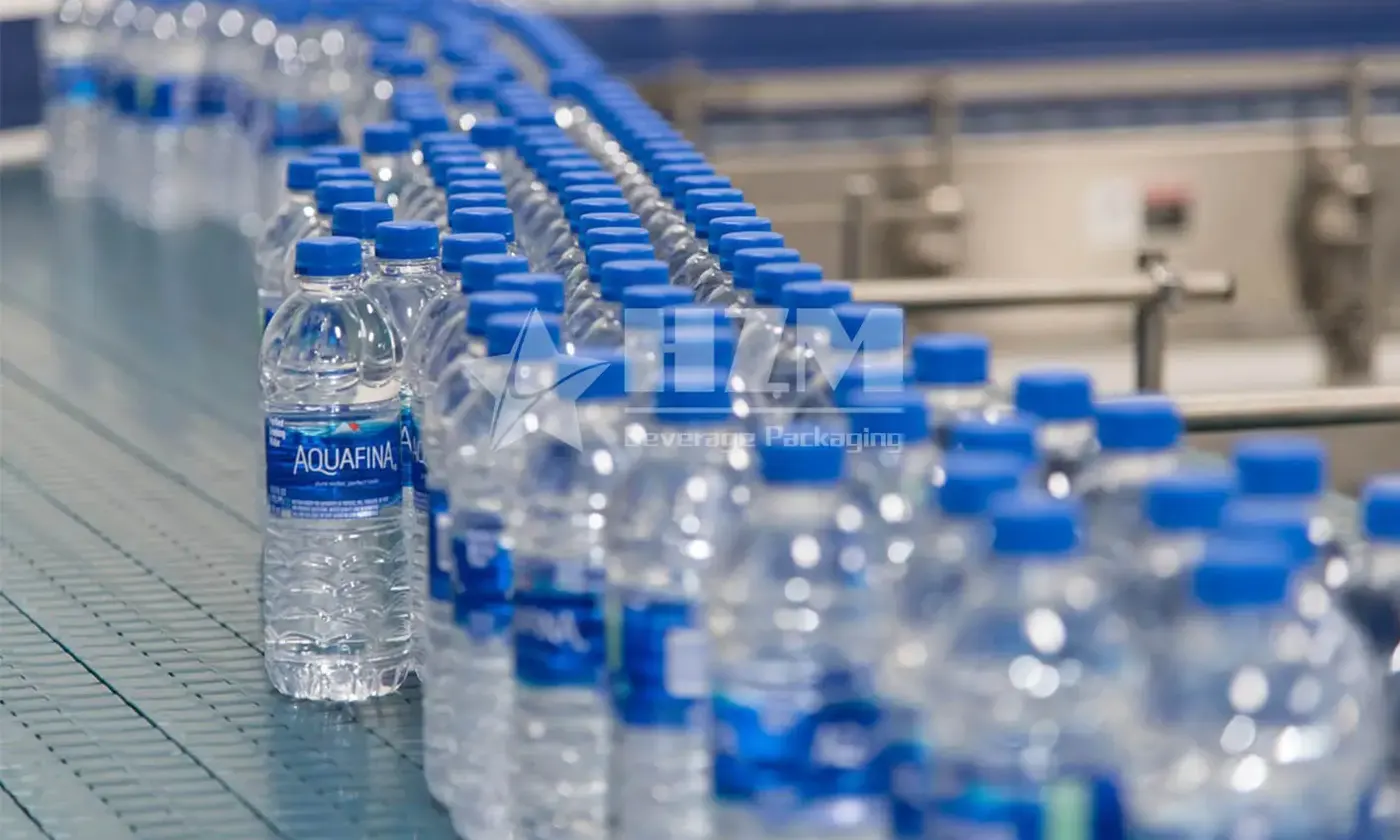
Producing bottled drinking water is a continuous, multi-stage industrial process that transforms raw water into a safe, sealed, and market-ready product. A complete bottled water production line is not a single machine, but a system of interconnected equipment. Each unit has a specific role in ensuring water quality, production efficiency, and packaging consistency.
Below is a structured overview of the essential equipment used in a bottled drinking water production line and their functions in the process.
1. Water Treatment System (Core Purification Stage)
The water treatment system is the foundation of the entire production line. Its purpose is to remove impurities, microorganisms, and dissolved substances from raw water sources such as groundwater, tap water, or surface water.
A typical system includes:
- Sand filter
- Activated carbon filter
- Water softener (optional)
- Precision filter
- Reverse osmosis (RO) system
- UV sterilizer or ozone generator
Function in production:
This system ensures the water meets drinking standards by eliminating:
- Suspended solids
- Chlorine and organic compounds
- Heavy metals
- Bacteria and viruses
Without this stage, the water cannot be considered safe for bottling.
2. Raw Water Storage Tank
After filtration, purified water is stored in a hygienic stainless steel tank.
Function in production:
- Buffers water supply for continuous operation
- Prevents downtime during upstream treatment fluctuations
- Maintains stable pressure for filling processes
The tank is usually made of SUS304 or SUS316 stainless steel to ensure food-grade safety.
3. Bottle Blowing Machine (PET Bottle Production)
If the factory produces its own plastic bottles, a bottle blowing machine is required. It uses PET preforms to form bottles through high-temperature stretching and air pressure molding.
Function in production:
- Converts PET preforms into finished bottles
- Ensures uniform bottle shape and strength
- Allows customization of bottle size and design
This step reduces packaging cost and increases production independence.
4. Air Conveyor System
Air conveyors transport empty bottles from the blowing machine to the filling section using filtered compressed air.
Function in production:
- Transfers bottles hygienically without human contact
- Prevents contamination
- Maintains continuous production flow
This system is widely used in high-speed bottling plants.
5. Bottle Rinsing Machine (Bottle Washer)
Before filling, bottles must be cleaned to remove dust or particles.
Function in production:
- Rinses bottles with sterile water or air
- Eliminates possible contaminants from storage or transport
- Prepares bottles for filling under hygienic conditions
Some systems integrate rinsing, filling, and capping into a single monoblock unit.
6. Filling Machine (Water Bottling Machine)
The filling machine is the core equipment of the bottling line. It measures and dispenses purified water into bottles.
Common filling methods include:
- Gravity filling
- Pressure filling
- Vacuum filling
Function in production:
- Ensures accurate filling volume
- Maintains hygienic, closed environment
- Supports high-speed continuous filling
Precision here directly affects product quality and consistency.
7. Capping Machine
After filling, bottles are sealed with caps using a capping system.
Function in production:
- Automatically places and tightens bottle caps
- Ensures airtight sealing
- Prevents leakage and contamination
Proper sealing is critical for shelf life and product safety.
8. Labeling Machine
Once sealed, bottles move to the labeling system.
Common types include:
- OPP hot melt labeling
- Self-adhesive labeling
- Sleeve shrink labeling
Function in production:
- Applies brand labels accurately
- Ensures consistent positioning and appearance
- Supports branding and regulatory information display
9. Date Coding Machine
This equipment prints production date, batch number, and expiration date on bottles or labels.
Function in production:
- Provides traceability
- Meets regulatory compliance requirements
- Helps with quality control and recall management
Printing methods may include inkjet, laser, or thermal transfer.
10. Shrink Wrapping / Packaging Machine
After labeling, bottles are grouped and packed for distribution.
Function in production:
- Wraps multiple bottles into shrink film packs
- Forms retail-ready or transport-ready units
- Improves logistics efficiency and protection
Some systems also include carton packing instead of shrink film.
11. Palletizing System
At the end of the line, finished packages are stacked onto pallets manually or automatically.
Function in production:
- Organizes finished products for storage and shipping
- Reduces manual labor
- Increases warehouse efficiency and safety
Robotic palletizers are used in high-capacity factories.
12. Air Compressor System
Although not part of the product path, air compressors are essential support equipment.
Function in production:
- Supplies compressed air for bottle blowing
- Powers pneumatic components in filling and packaging machines
- Ensures stable system operation
13. Conveyor System (Bottle and Product Transfer)
Conveyors connect all machines in the production line.
Function in production:
- Transfers bottles between stages
- Maintains continuous workflow
- Reduces manual handling and contamination risk
Conveyors may be made of stainless steel or food-grade plastic.
A bottled drinking water production line is a fully integrated system composed of purification, bottle production, filling, sealing, labeling, and packaging equipment. Each machine plays a specific role in ensuring the final product is safe, consistent, and ready for market distribution.
The efficiency of the entire line depends not on a single machine, but on how well all components are designed to work together. Proper equipment selection ensures stable production, lower operating costs, and long-term reliability.
Talk to our engineering team
Need help planning your packaging line?
Share your product, bottle and capacity requirements for a practical equipment recommendation.
Equipment
Automatic Water Bottle Filling Machine
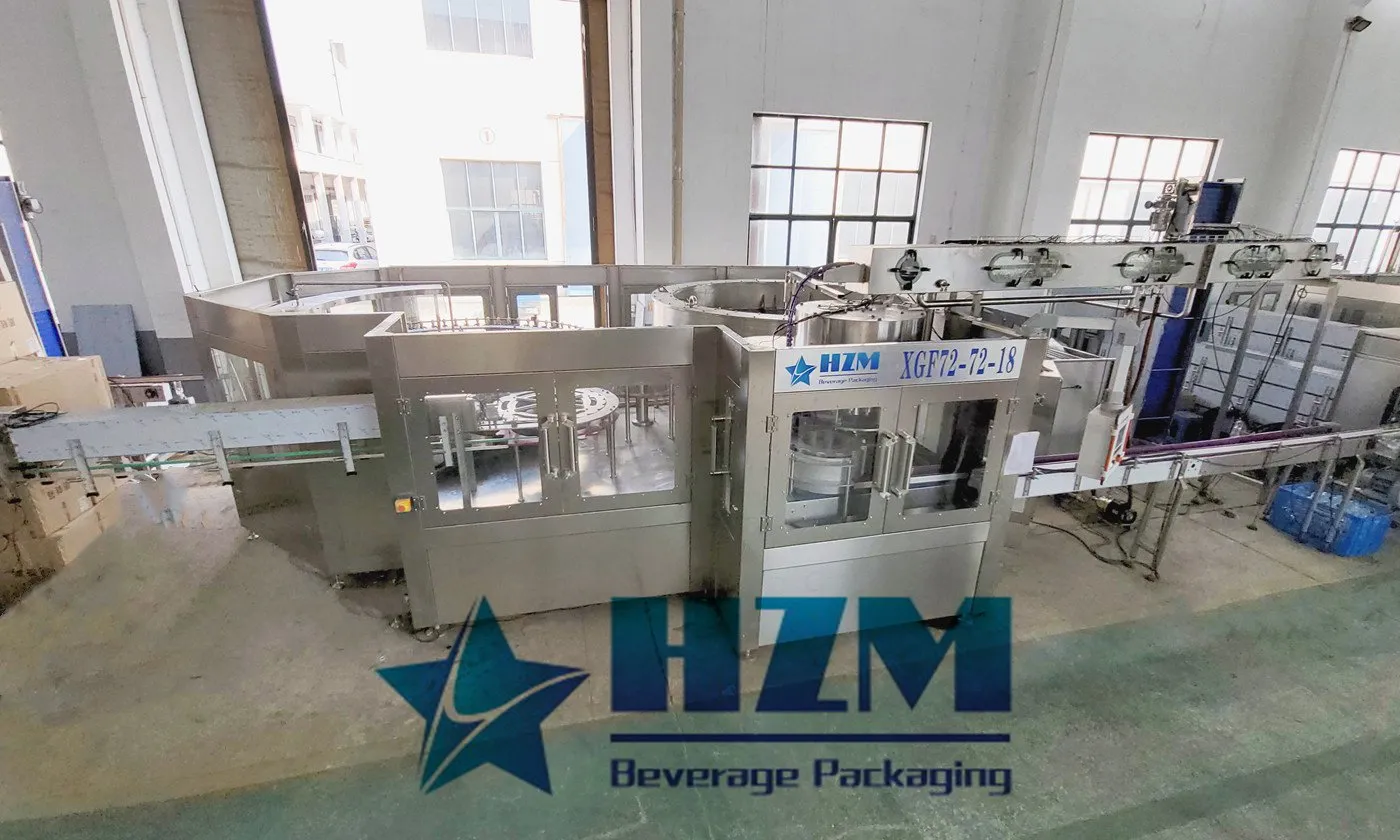
Automatic rinsing, filling and capping for purified and mineral water in PET bottles, with capacities of 5,000–42,000 bottles/hour at 500 ml.
Learn more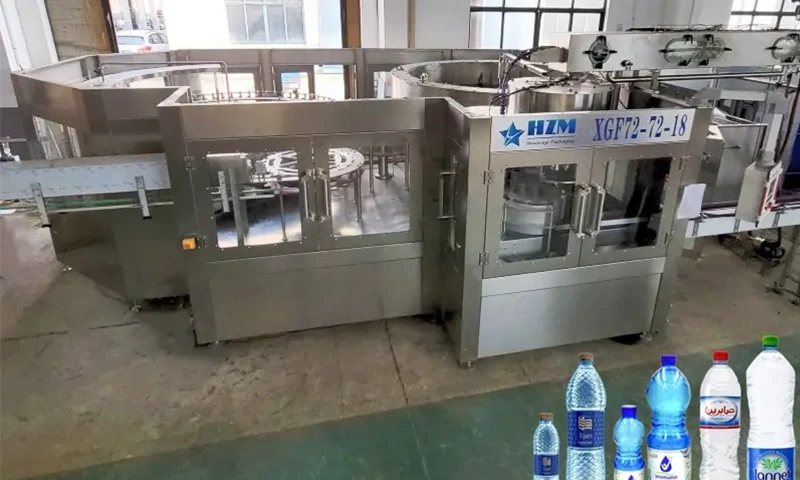
Equipment
3-In-1 Water Bottle Filling Machine
A 3-in-1 PET bottle rinsing, filling and capping machine for drinking water, from 5,000 to 18,000 bottles/hour at 500 ml.
Learn more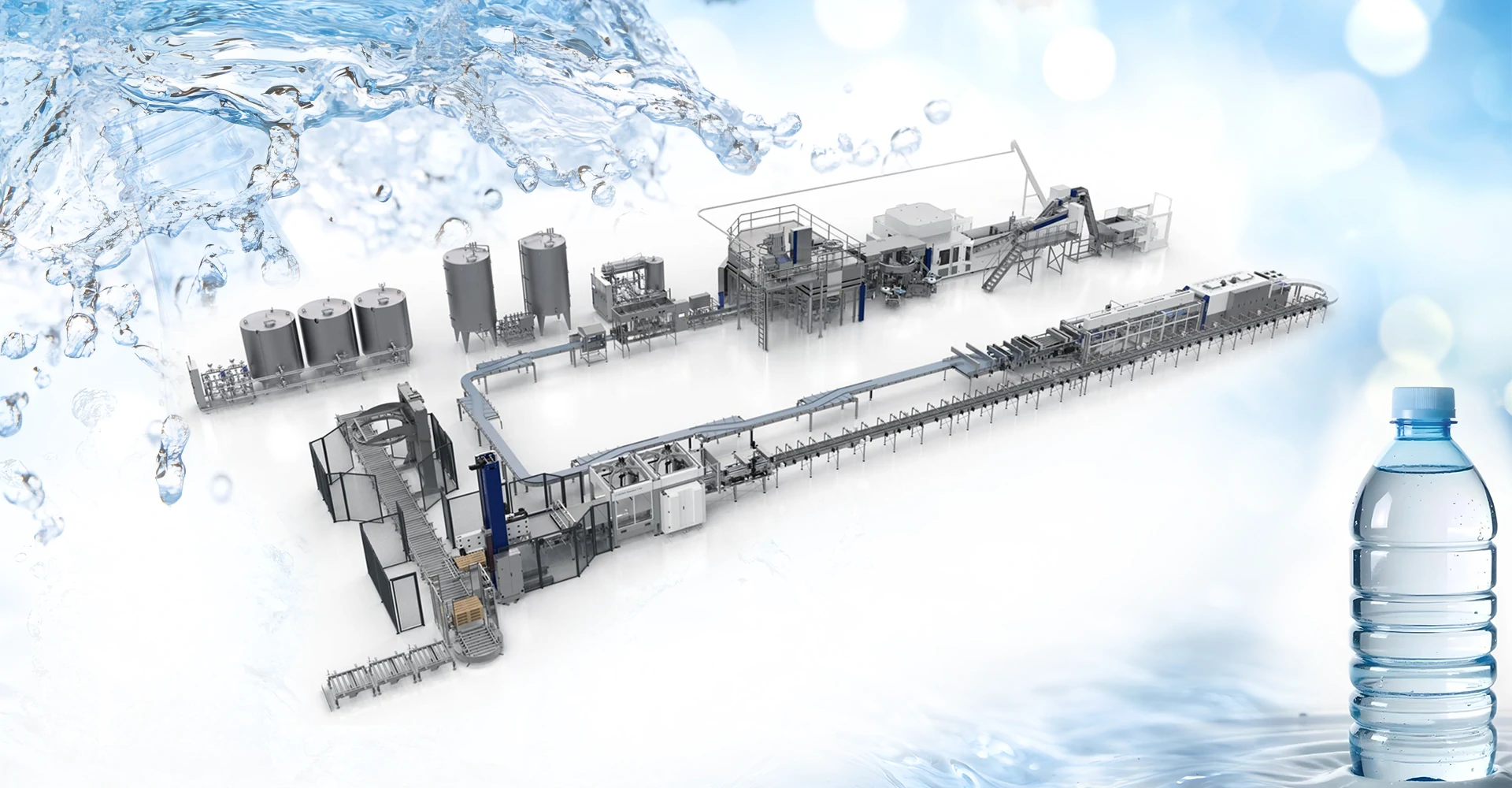
Equipment
Drinking water production line – Bottled Water Filling Machine Manufacturer
PET-bottled drinking-water production with automatic rinsing, filling and capping, plus water treatment and packaging equipment.
Learn more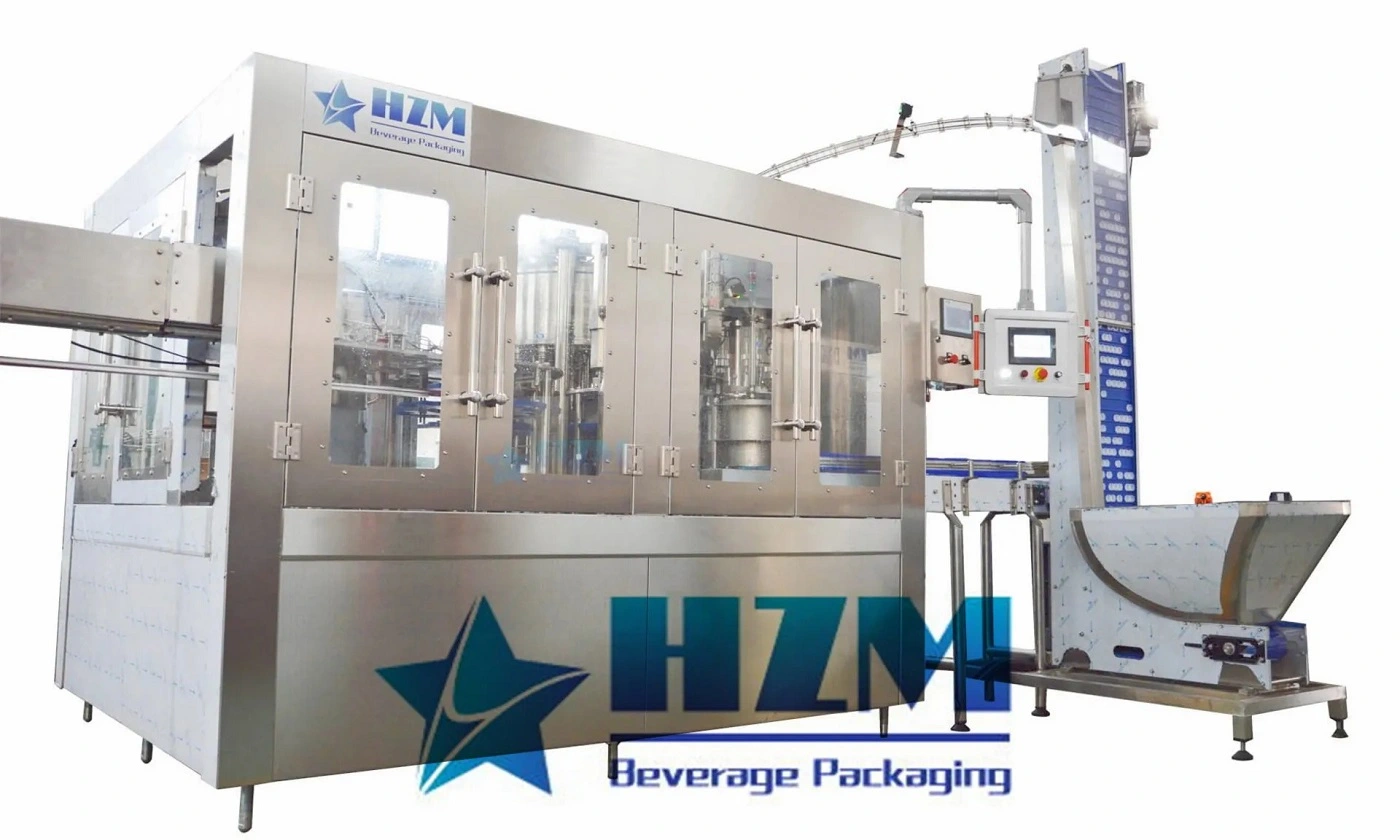
Equipment
Automatic Drinking Water Bottling Machine
Drinking-water bottling equipment with automatic rinsing, filling and capping, plus conveying, labelling and packing options.
Learn more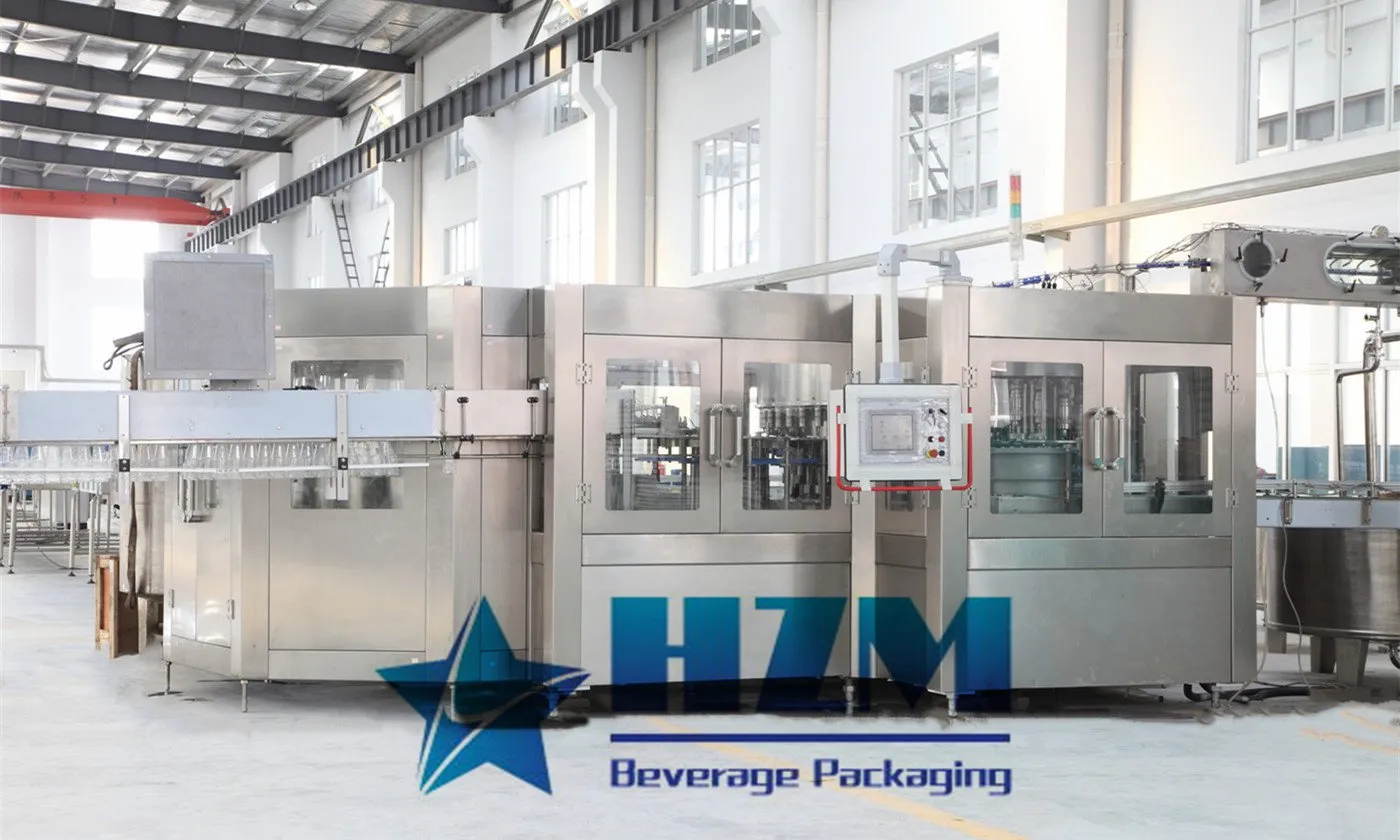
Equipment
PET Bottle Water Filling Machine
PET bottle water filling with automatic rinsing and capping, for purified water, mineral water and still drinking water.
Learn more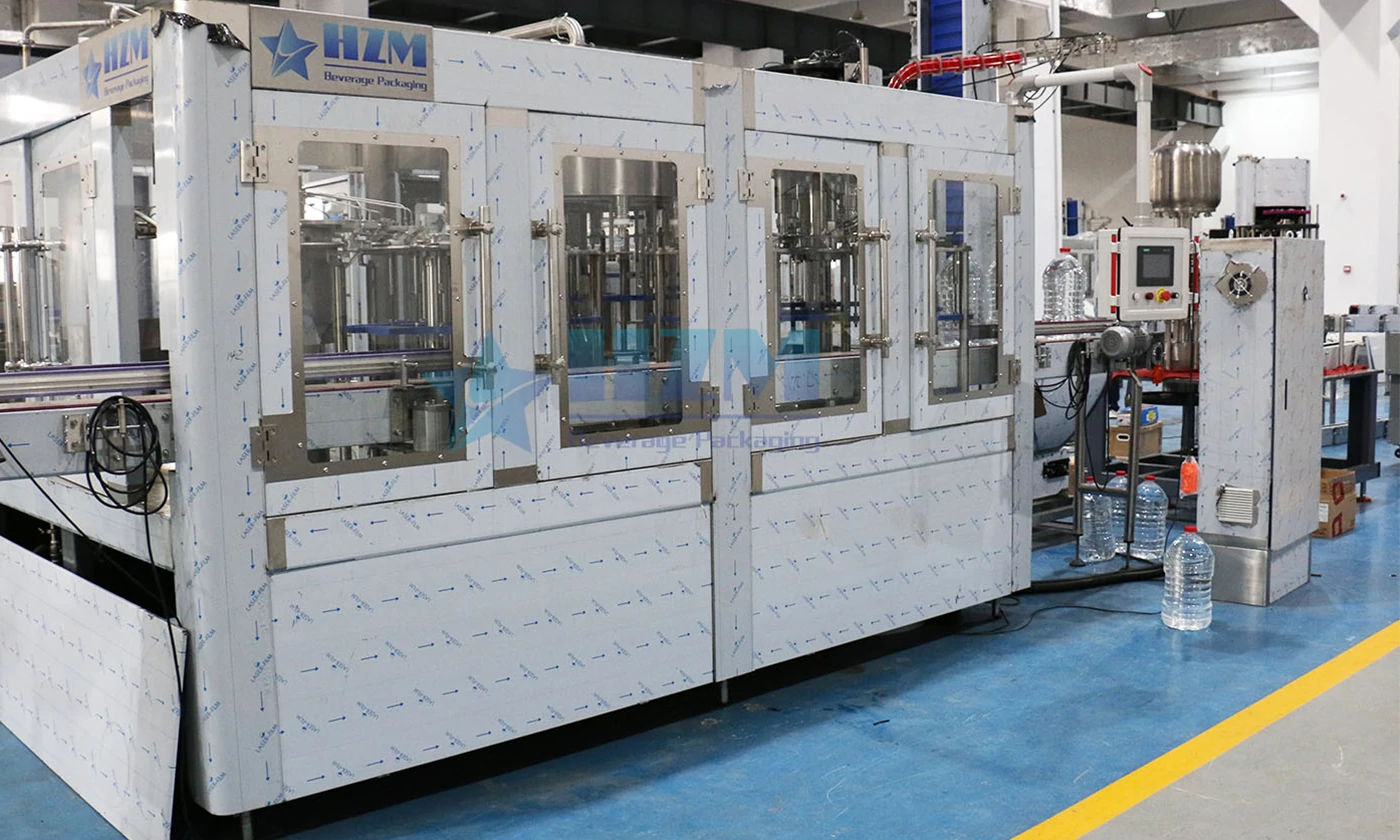
Equipment
5L-10L Large Bottle Drinking Water production line
XGF12-12-4 rinsing, filling and capping for 5 L and 10 L water bottles, with stable outputs of 1,200 and 700 bottles/hour respectively.
Learn more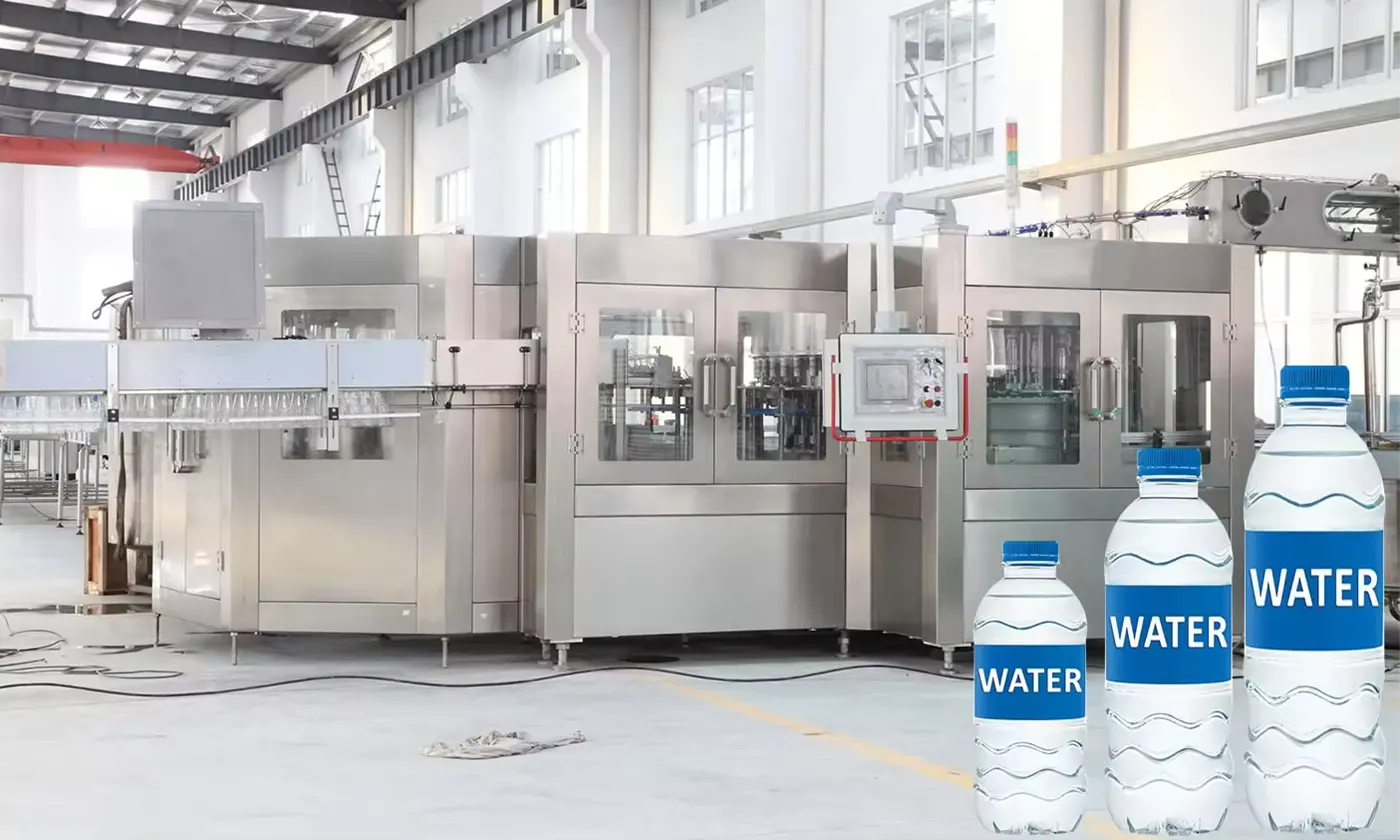
Equipment
Automatic Small Bottle Pure Water Filling Machine
Small PET bottle pure-water filling with automatic rinsing and capping, from 5,000 to 18,000 bottles/hour at 500 ml.
Learn more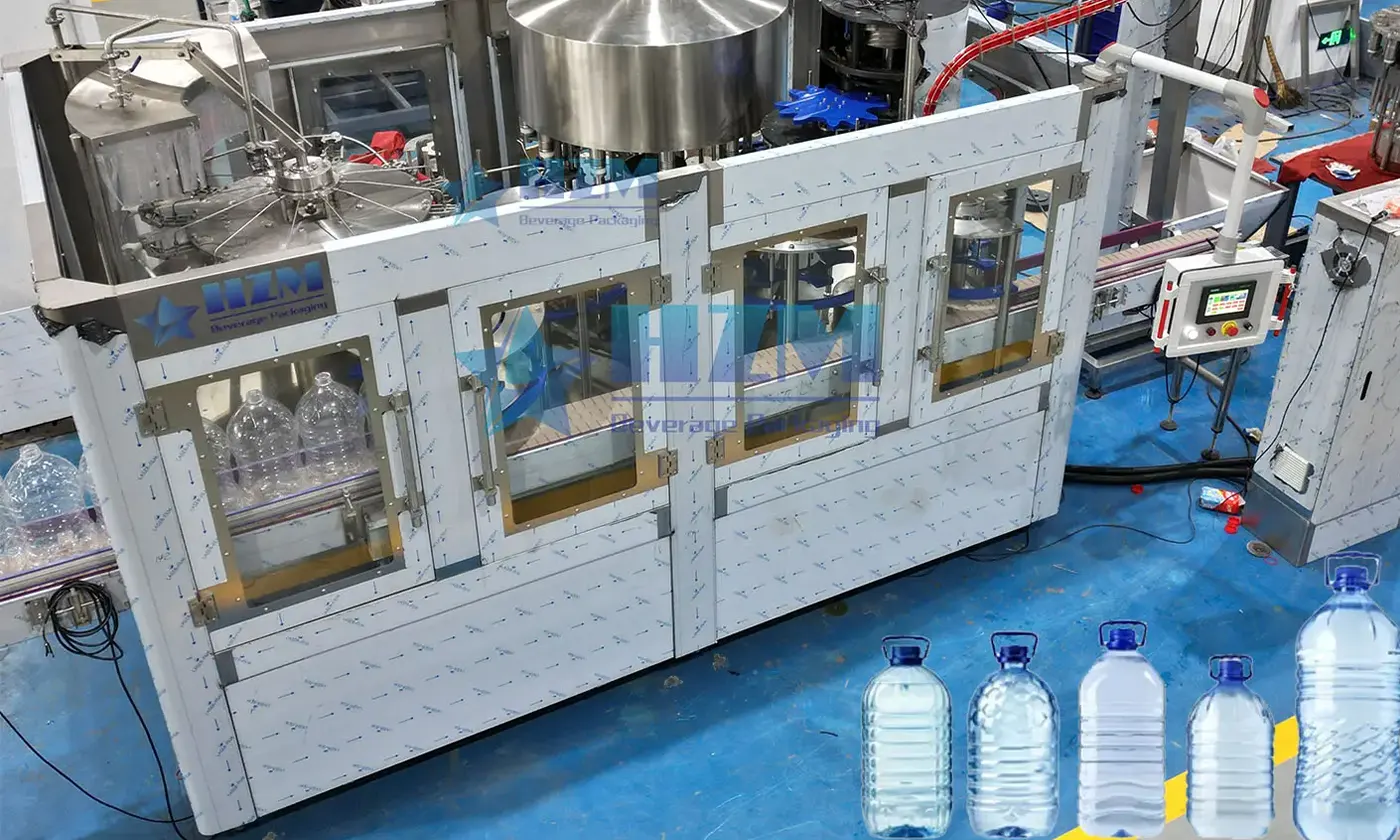
Equipment
Automatic Pure Water Bottling Filling Machine
Small PET bottle water filling with automatic rinsing and capping, from 5,000 to 18,000 bottles/hour at 500 ml.
Learn more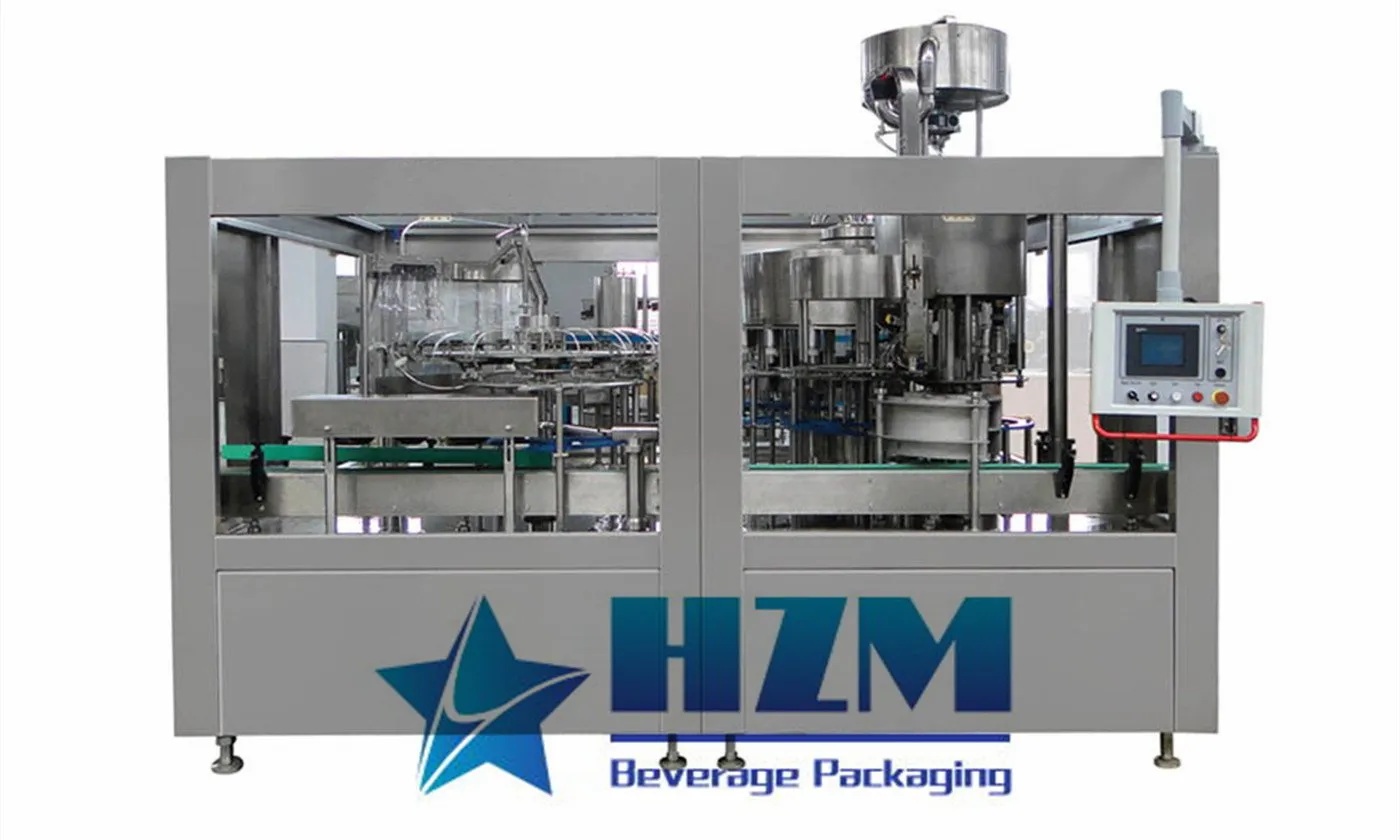
Equipment
3-10L Big PET Bottle Water Filling Machine
Large PET bottle water filling equipment for 3–10 L containers, combining rinsing, filling and capping.
Learn more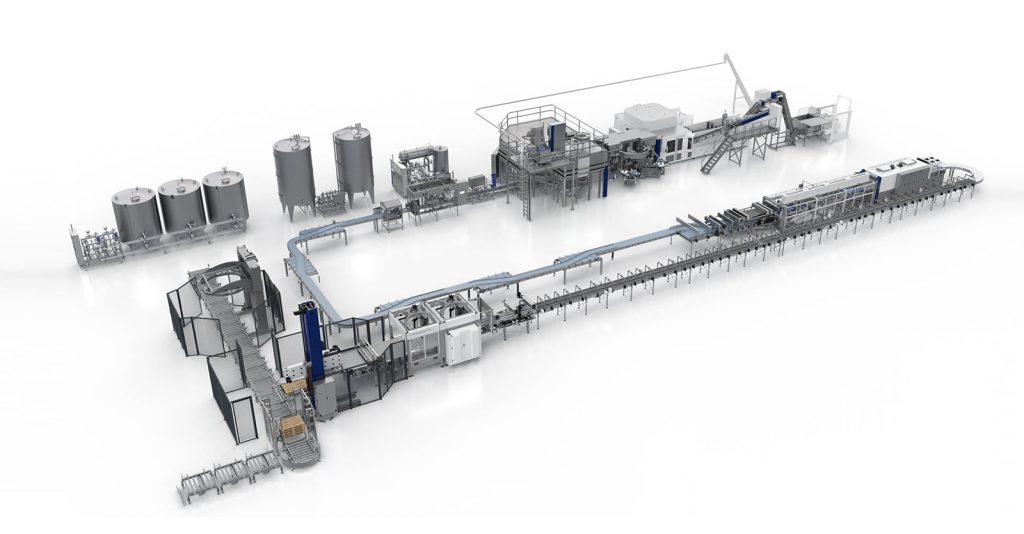
2024-03-28
What equipment is needed to produce beverages?
What equipment is needed to produce beverages? The main equipment includes water treatment equipment, bottle rinsers, filling machines, sealing machines, sterilization equipment, CIP cleaning in place machines, filtration equipment, packaging equipment, etc.
Learn more2024-01-03
How much does a small fully automatic bottled drinking water equipment cost?
The cost of a complete set of bottled water production line varies based on the production capacity. Manufacturers provide quotes for bottled water production lines based on different hourly production capacities. To provide investors with a better understanding of the prices, manufacturers share detailed prices for different models of purified bottled water and mineral water […]
Learn more
2023-09-14
Water Bottle Filling Machine Prices
Water bottle filling machines are highly automated filling equipment used for various containers, including water bottles, beverage bottles, and wine bottles. The application of this equipment is incredibly diverse, spanning across industries such as food, beverages, and household products
Learn more2023-08-30
How Much Does It Cost to Produce a Bottle of Mineral Water?
The cost of producing a bottle of mineral water varies due to differences in brand, packaging, and raw materials. Generally, the cost of mineral water includes production, transportation, and promotional expenses.
Learn more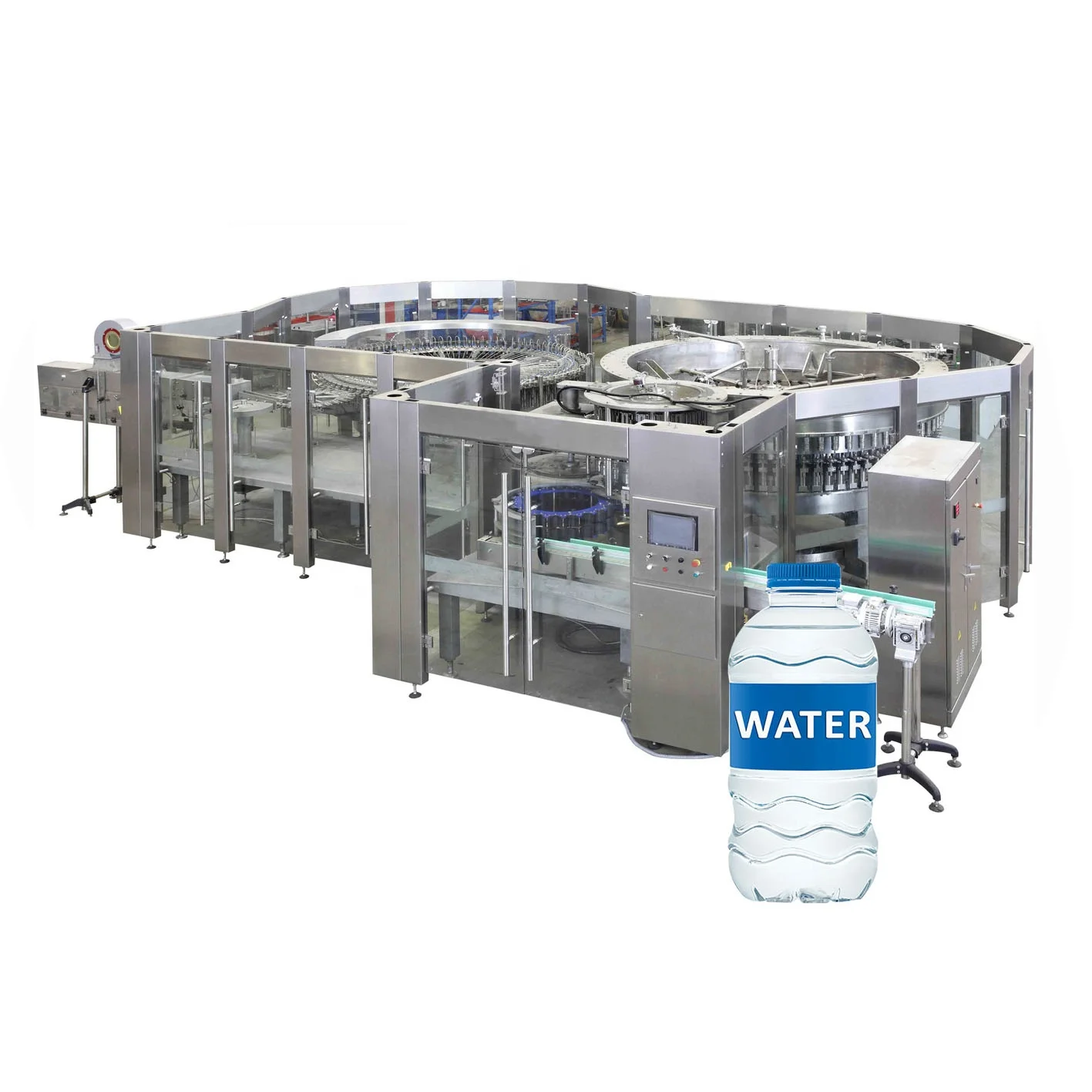
2023-11-24
Water Bottle Filling Machine Solutions
Water bottle filling machines come in various configurations, from small-scale, semi-automatic machines suitable for small businesses to fully automated, high-speed machines used in large-scale production facilities. They play a crucial role in ensuring the efficiency and quality of the water bottling process.
Learn more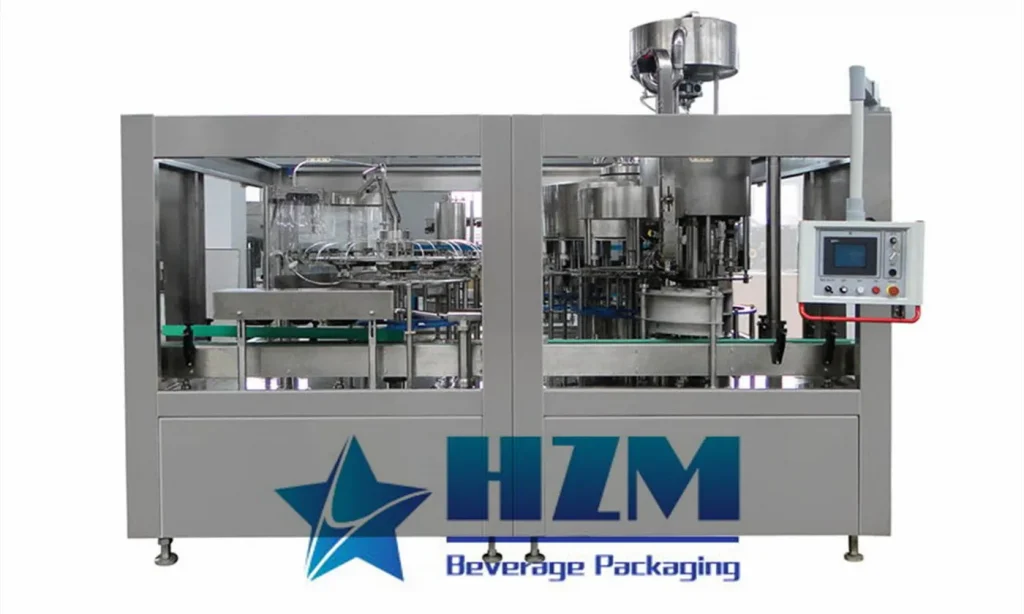
2023-06-27
What is the Working Principle of 3 in 1 Water Filling Machine?
Do you want to set up a unit where you will be manufacturing non-carbonated drinks and filling them into bottles? Now you must decide whether you want to get different machines with different functions like one for cleaning, filling and one for capping or you would like to get 3 in 1 water filling machine?
Learn more