
Insights & Updates
Water Bottle Filling Machine Commissioning and Run-In Checklist
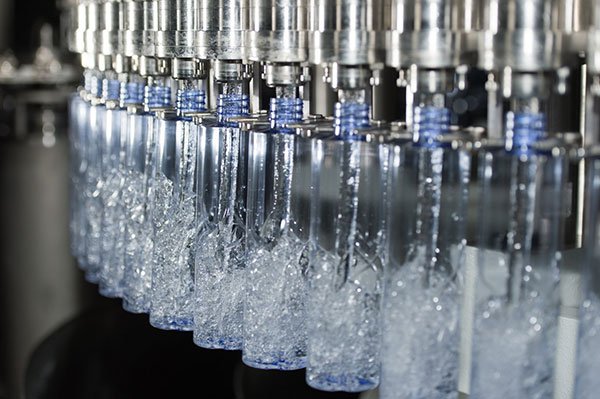
A new water bottle filling machine should not be pushed to full speed on the first shift. Commissioning is the controlled process of proving installation, safety, hygiene, bottle handling, filling and capping before the line is released to production. A careful run-in period reveals loose fasteners, transfer misalignment and unstable settings while they are still easy to correct.
The checklist below is written for an automatic PET bottled-water line, but the same discipline applies to many rotary rinsing, filling and capping systems.
Before power-on: verify the installation
- Confirm the machine is level, anchored as specified and correctly aligned with conveyors.
- Remove shipping brackets, temporary supports and packing materials.
- Check that guards, doors, interlocks and emergency stops are installed.
- Verify supply voltage, phase sequence, grounding and cabinet conditions.
- Confirm compressed-air pressure, filtration and dryness.
- Flush product water, rinse-water and CIP pipes before connecting them to the machine.
- Check drains for capacity, slope and hygienic routing.
- Verify lubricant type and level at every specified point.
- Install the correct bottle and cap change parts.
Do not use a motor rotation test as a reason to bypass guards. Each motor should be jogged under the supplier’s procedure, with pumps protected from dry running.
Stage 1: static and safety checks
Before automatic operation, test every emergency stop, guard switch and safety circuit. Confirm that the machine cannot restart unexpectedly when power or air returns. Review the HMI user levels and make sure operators cannot alter protected settings without authorization.
Manually inspect star wheels, guides, bottle-neck supports, filling valves and capping heads. Rotate the machine slowly using the approved inching function and look for interference. A small transfer mismatch at low speed becomes broken bottles, scuffed necks or repeated jams at production speed.
Stage 2: dry run without bottles
Run conveyors and the main drive at low speed. Listen for abnormal gear, bearing or chain noise. Check lubrication, motor current, pneumatic leakage and the behavior of the machine at start, stop and emergency stop.
Verify sensors individually. A missing-bottle sensor, low-cap switch or conveyor-backup sensor should produce the correct response and a clear message on the HMI.
Stage 3: bottle and cap handling trial
Introduce a small number of empty bottles without filling. Watch each transfer: air conveyor to rinser, rinser to filler, filler to capper and machine discharge to conveyor. Check for neck damage, bottle swing, base drag and unstable handover.
Load closures into the elevator and sorter. Inspect cap orientation, chute pressure and the action of the capping head. Measure applied torque using an appropriate test method rather than judging tightness by hand.
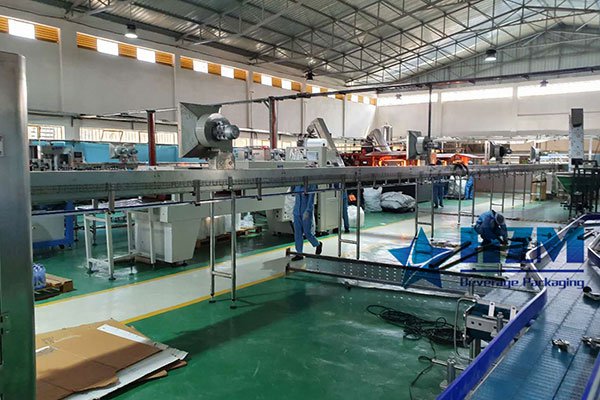
Stage 4: cleaning and water trial
Clean and sanitize the product-contact circuit according to the approved procedure. Confirm chemical concentration, temperature, contact time and final rinse result. Check that the system drains completely and that no chemical can enter production water.
During the first filling trial, use treated product water. Inspect valve opening, bottle centering, fill level and splash. Sample bottles from all filling valves; a repeated high or low result from the same valve is more informative than an overall average.
Stage 5: increase the load in controlled steps
A practical ramp may begin at 20–30% of rated speed, then progress to 50%, 75% and the agreed test speed. Hold each step long enough to stabilize the conveyors and collect measurements. Do not increase speed while unresolved jams, foam, loose fasteners or abnormal temperatures remain.
| Check | What to record | Warning sign |
|---|---|---|
| Output | Good bottles per hour over a defined period | Nominal speed is high but net output is low |
| Fill result | Weight or volume by filling valve | One valve consistently differs from the rest |
| Closure | Torque, seal and cap rejects | Scuffed necks, crooked caps or wide torque spread |
| Bottle handling | Jam location and frequency | Repeated stops at the same transfer |
| Utilities | Pressure, flow and motor current | Air or water pressure collapses at higher speed |
| Hygiene | Rinse conditions and microbiological samples | Uncontrolled manual contact after sanitation |
HZM’s water filling line overview can help buyers place the monoblock within the complete treatment, bottle handling and packaging process.
Daily checks during the first production weeks
- Inspect oil and grease points and record any leakage.
- Check loose fasteners, chain tension, guide position and abnormal vibration.
- Review alarm history instead of resetting repeated faults without investigation.
- Trend fill weights, cap torque and rejected bottles.
- Inspect filling-valve seals and capper wear parts.
- Confirm cleaning records and microbiological results.
- Keep a single approved record of changed parameters.
Common run-in mistakes
Running above the available upstream or downstream capacity creates false filler faults. Excess conveyor pressure damages light bottles. Untrained operators may change several settings at once, making the real cause impossible to find. Delaying lubrication or continuing after an unusual sound can turn a minor adjustment into a damaged bearing or shaft.
When the machine is ready for handover
Release the machine only after it sustains the agreed net output, fill tolerance and closure quality; all safety functions pass; operators complete training; and manuals, drawings, backup files and spare-parts lists are delivered. Open issues should have an owner and completion date.
A run-in period is not simply a number of operating hours. It is a documented progression from safe installation to stable, repeatable production.
Talk to our engineering team
Need help planning your packaging line?
Share your product, bottle and capacity requirements for a practical equipment recommendation.
Equipment
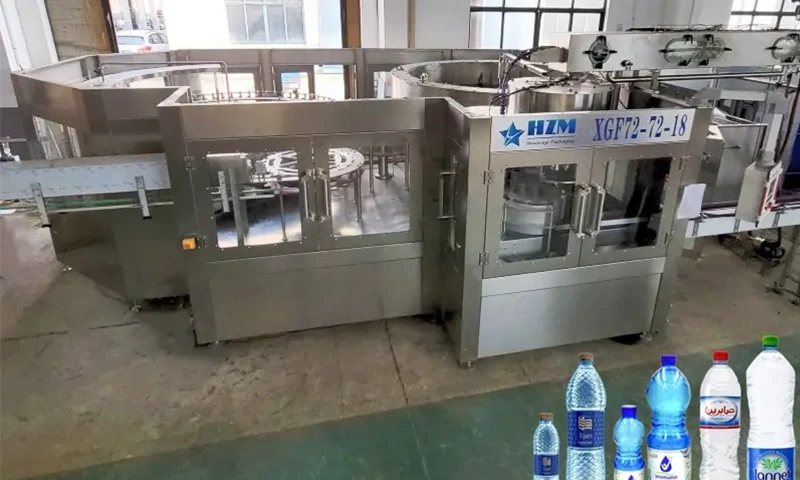
3-In-1 Water Bottle Filling Machine
A 3-in-1 PET bottle rinsing, filling and capping machine for drinking water, from 5,000 to 18,000 bottles/hour at 500 ml.
Learn more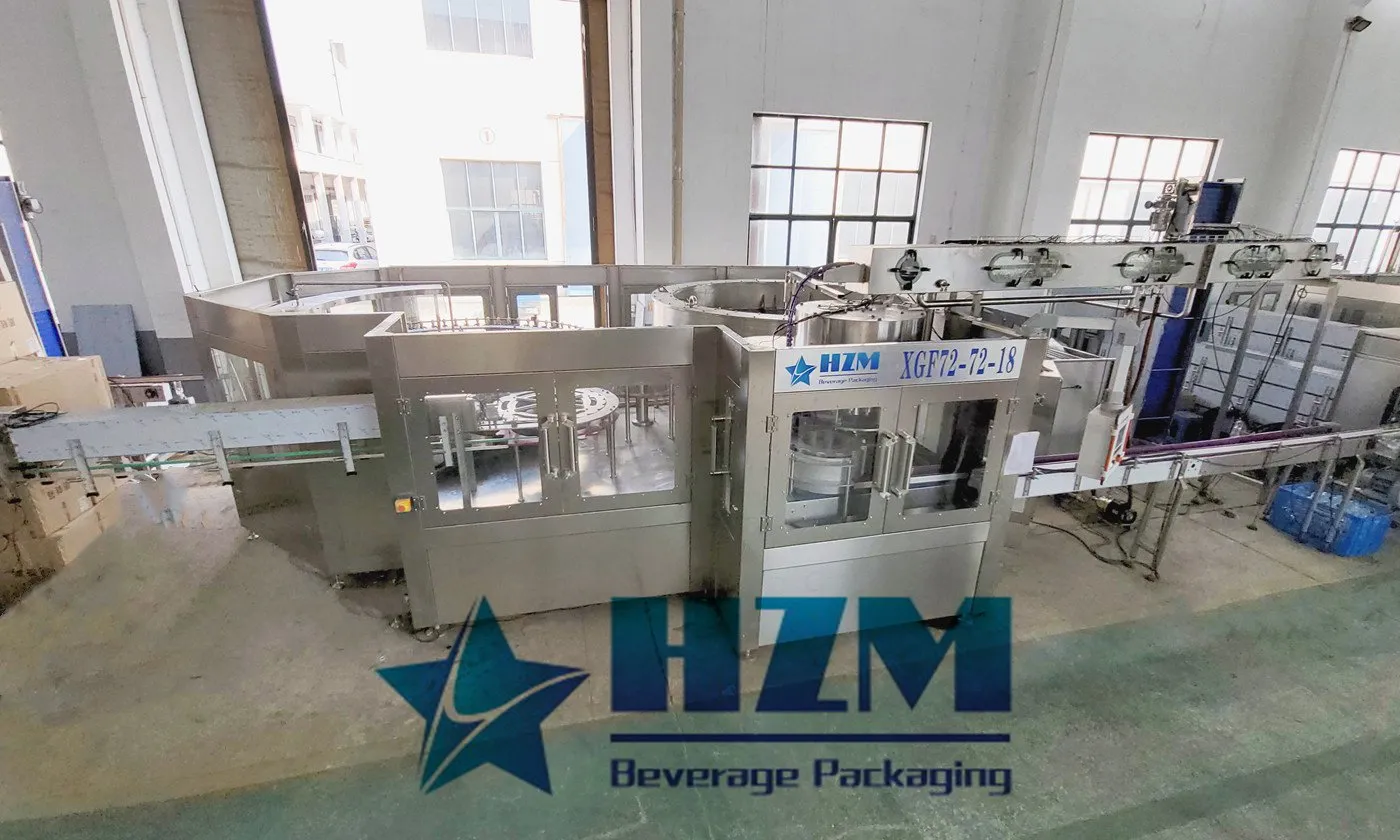
Equipment
Automatic Water Bottle Filling Machine
Automatic rinsing, filling and capping for purified and mineral water in PET bottles, with capacities of 5,000–42,000 bottles/hour at 500 ml.
Learn more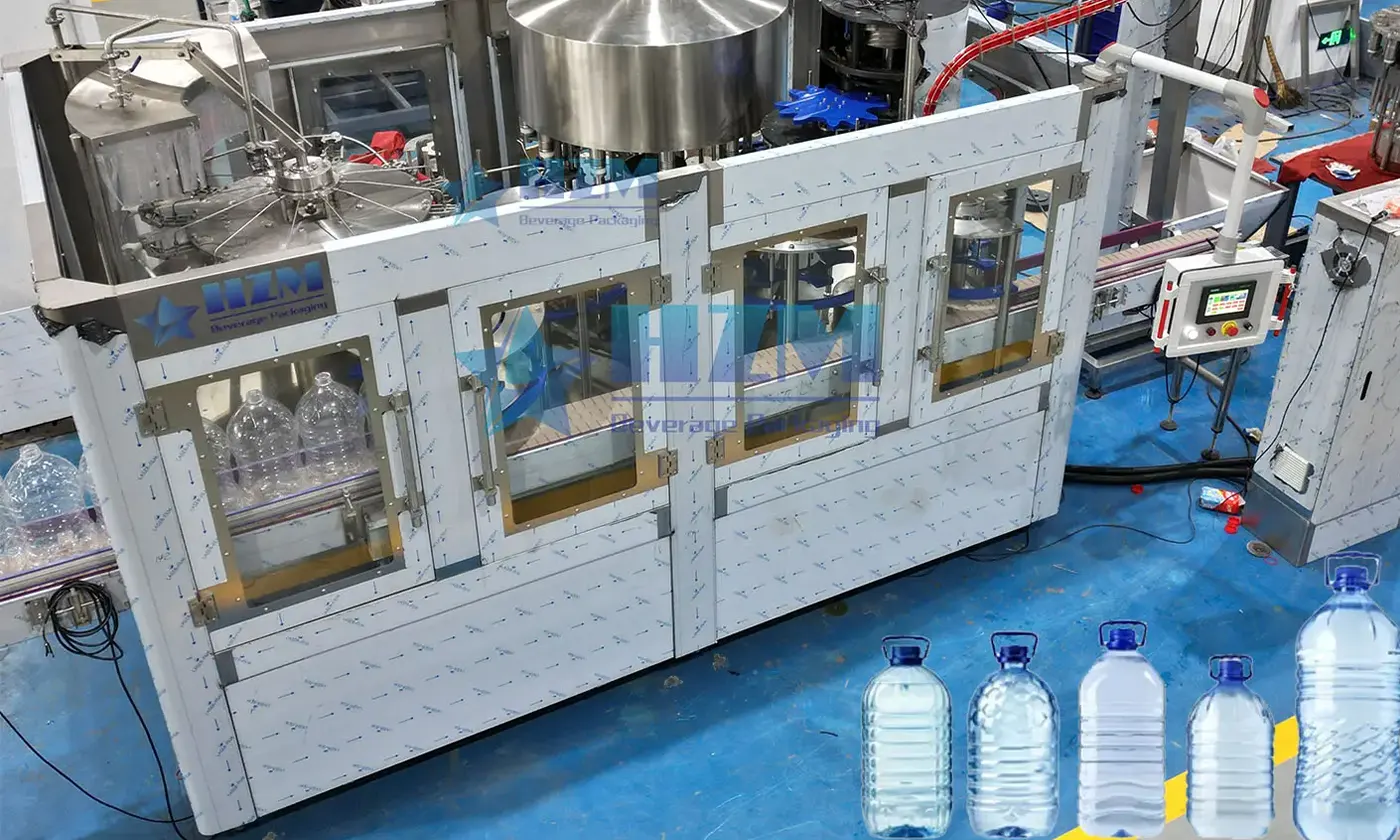
Equipment
Automatic Pure Water Bottling Filling Machine
Small PET bottle water filling with automatic rinsing and capping, from 5,000 to 18,000 bottles/hour at 500 ml.
Learn more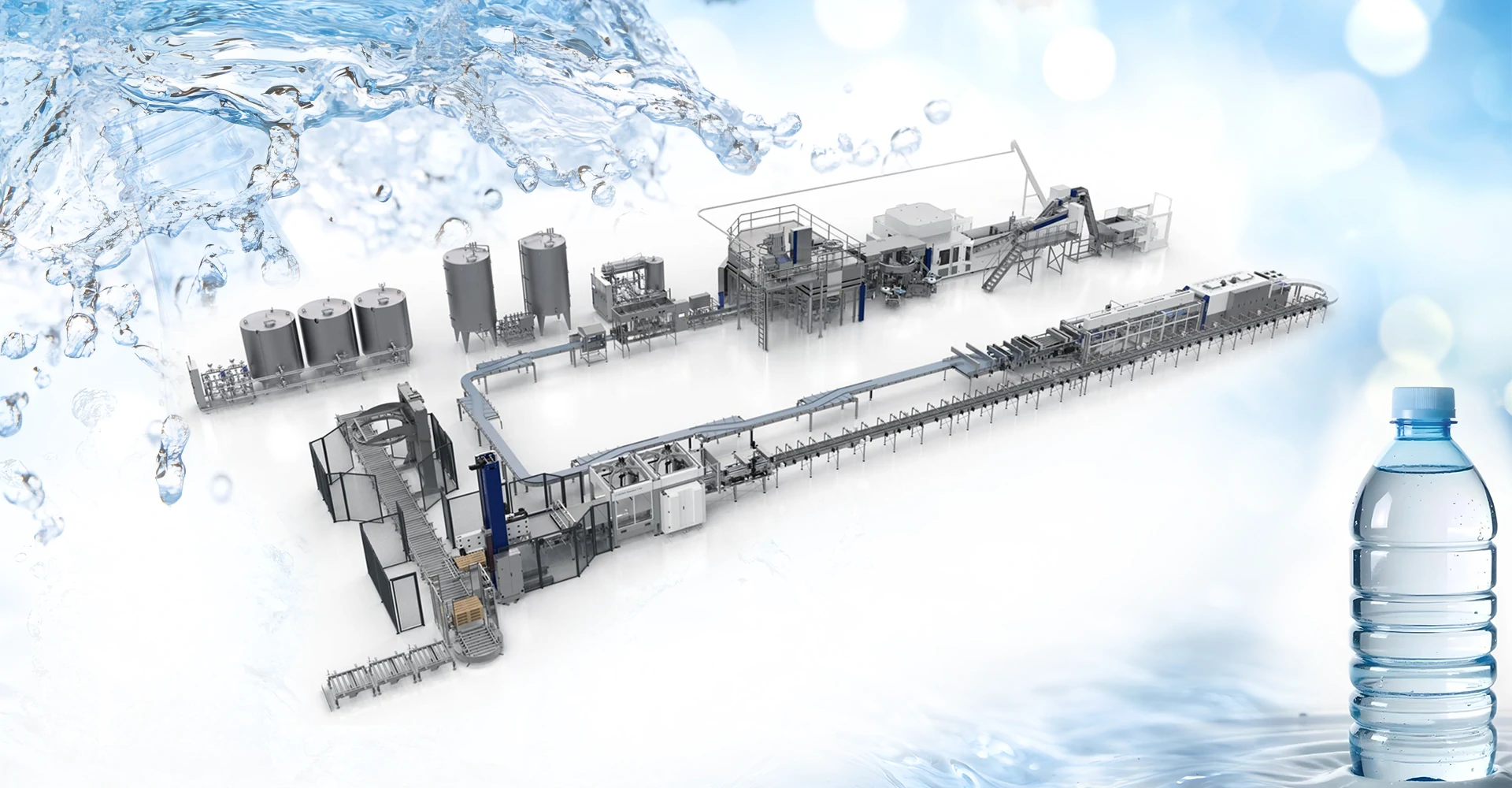
Equipment
Drinking water production line – Bottled Water Filling Machine Manufacturer
PET-bottled drinking-water production with automatic rinsing, filling and capping, plus water treatment and packaging equipment.
Learn more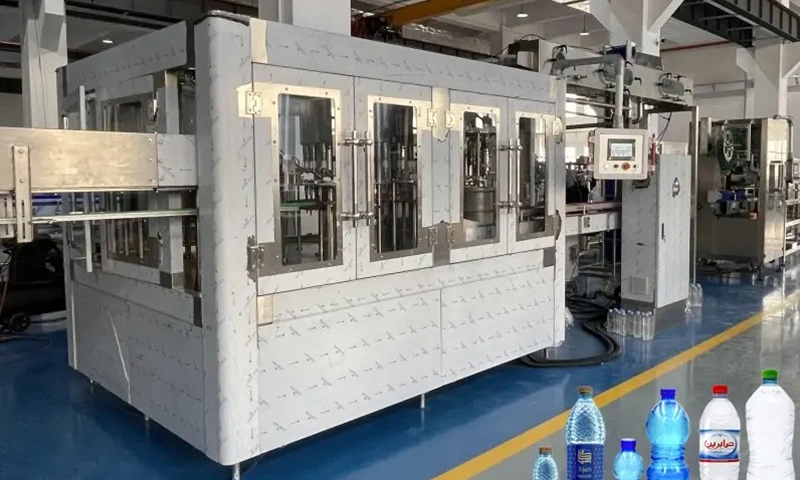
Equipment
Automatic Mineral Water Bottle Filling Machine
Automatic mineral-water bottling with rinsing, filling and capping, from 5,000 to 18,000 bottles/hour at 500 ml.
Learn more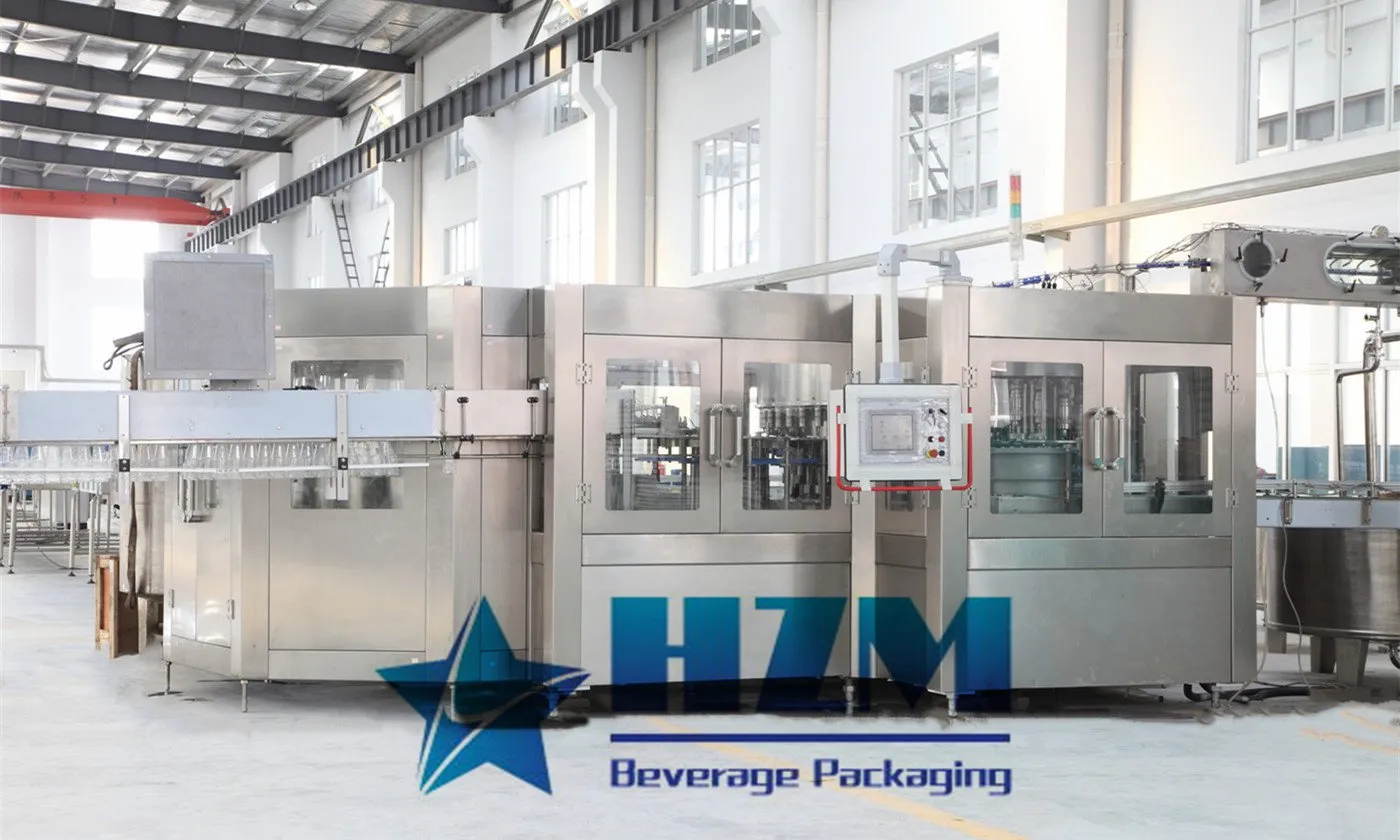
Equipment
PET Bottle Water Filling Machine
PET bottle water filling with automatic rinsing and capping, for purified water, mineral water and still drinking water.
Learn more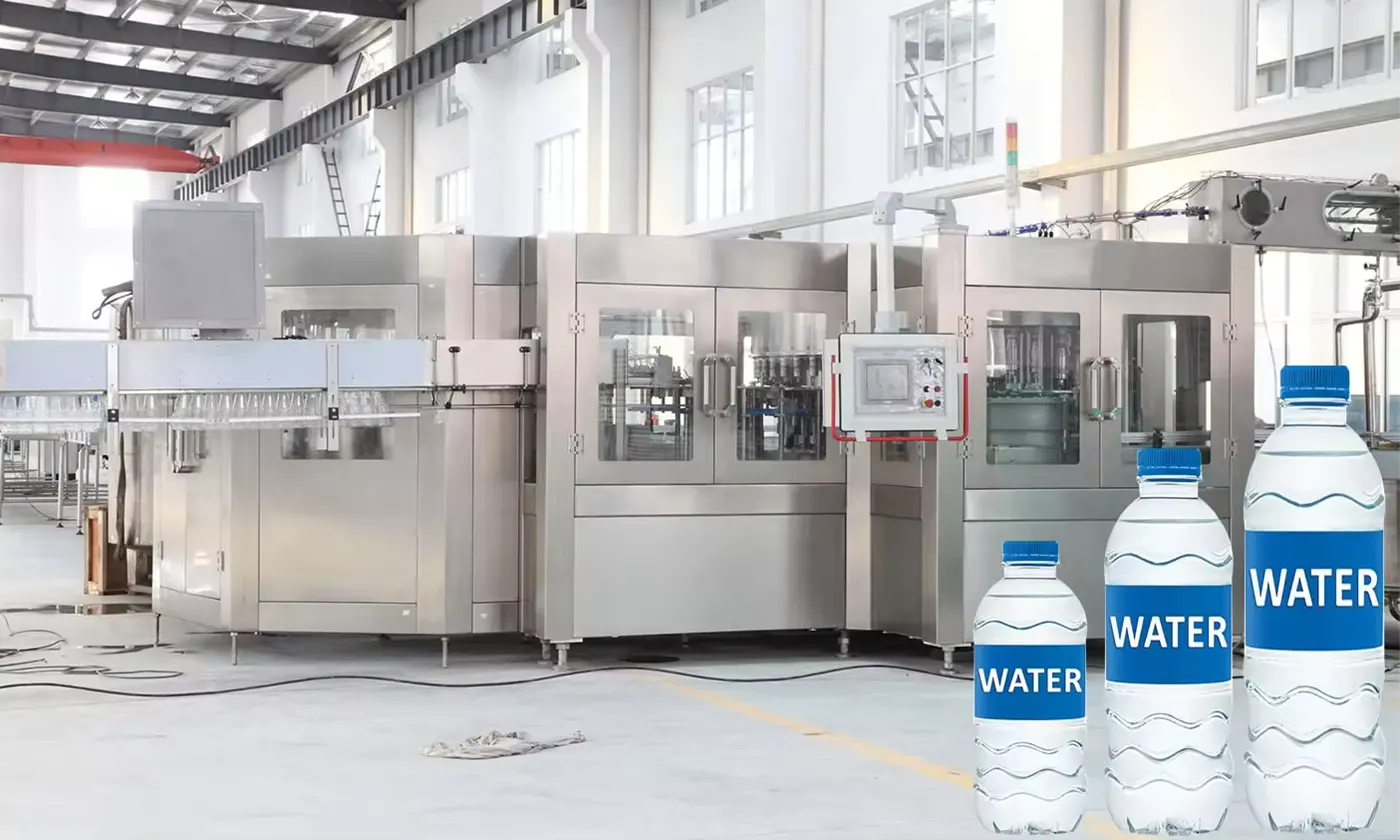
Equipment
Automatic Small Bottle Pure Water Filling Machine
Small PET bottle pure-water filling with automatic rinsing and capping, from 5,000 to 18,000 bottles/hour at 500 ml.
Learn more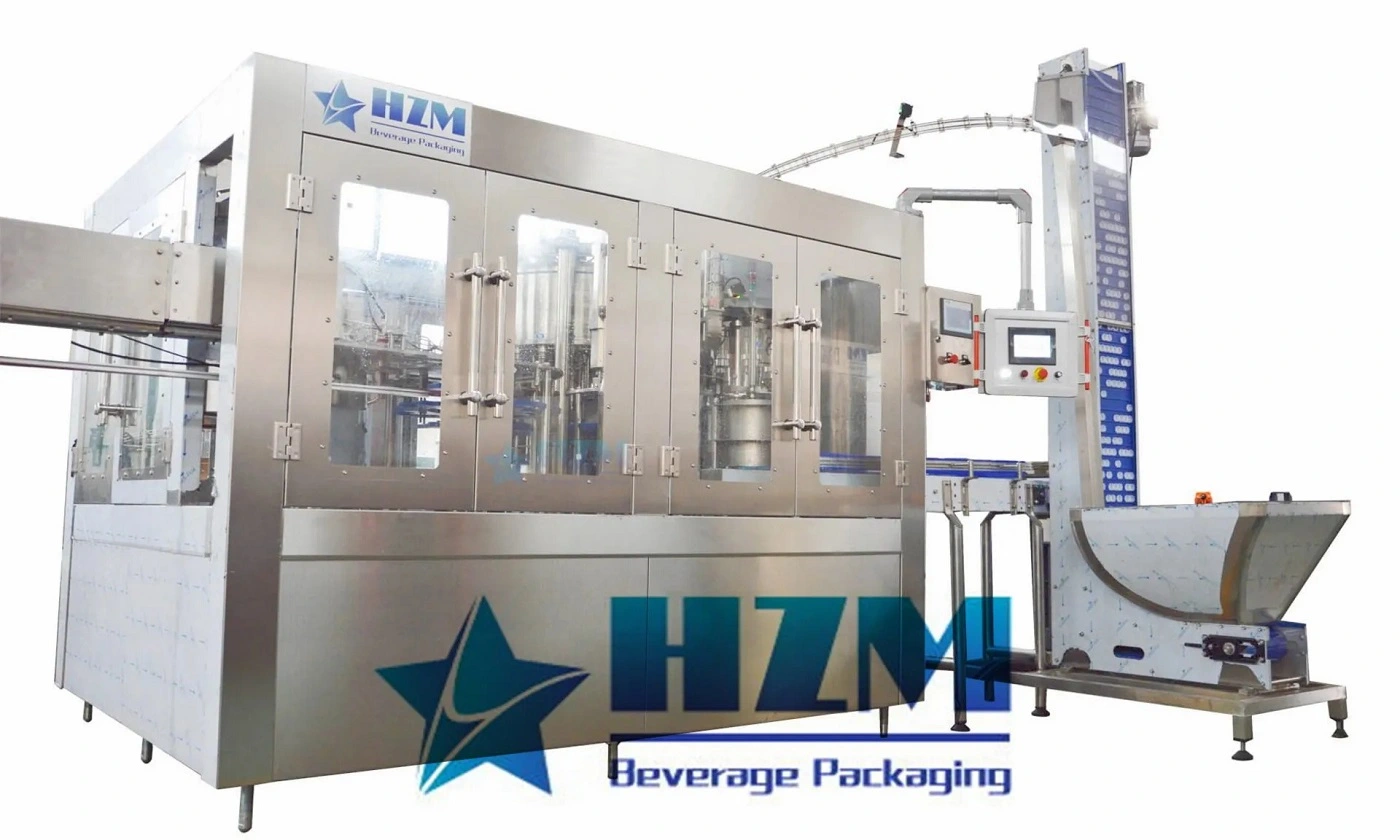
Equipment
Automatic Drinking Water Bottling Machine
Drinking-water bottling equipment with automatic rinsing, filling and capping, plus conveying, labelling and packing options.
Learn more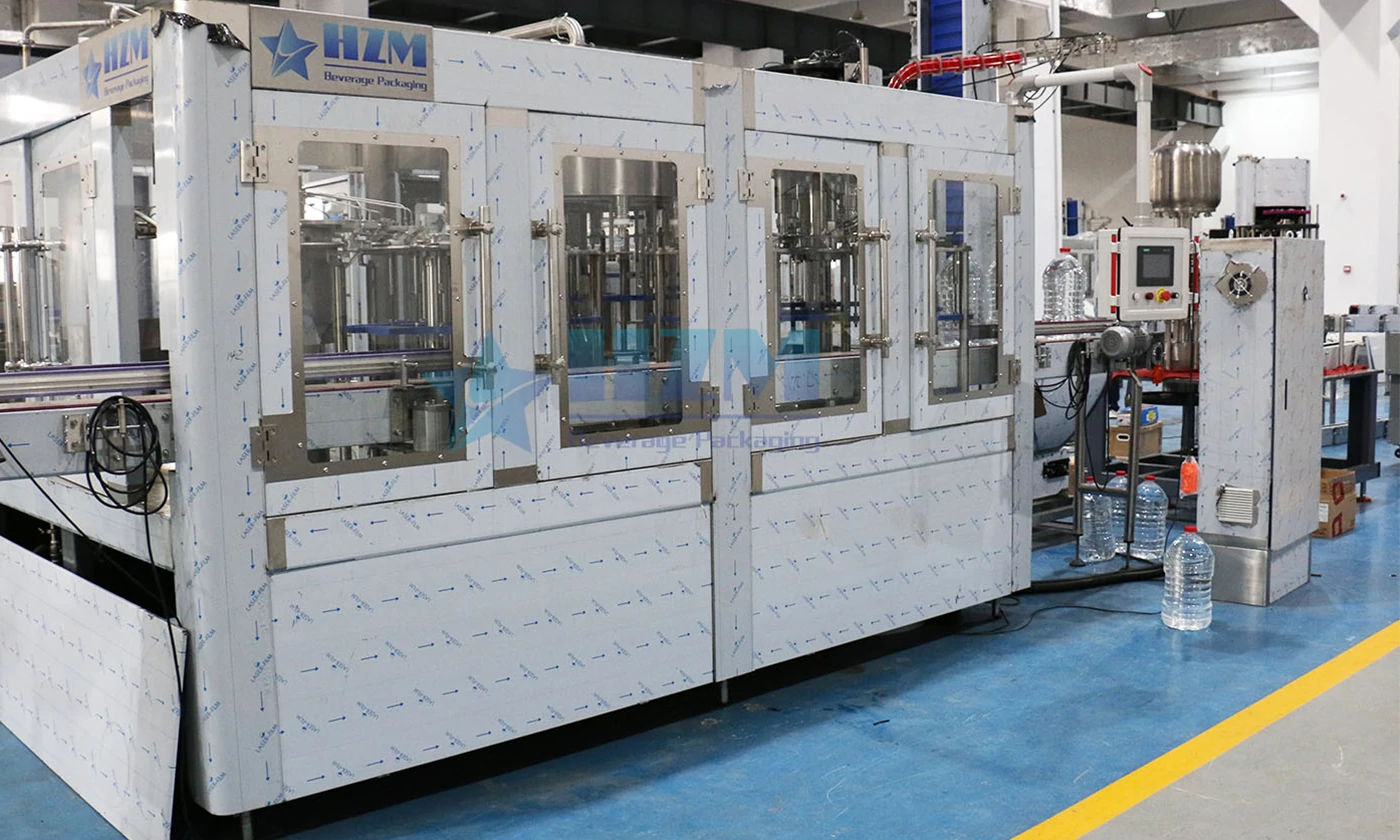
Equipment
5L-10L Large Bottle Drinking Water production line
XGF12-12-4 rinsing, filling and capping for 5 L and 10 L water bottles, with stable outputs of 1,200 and 700 bottles/hour respectively.
Learn more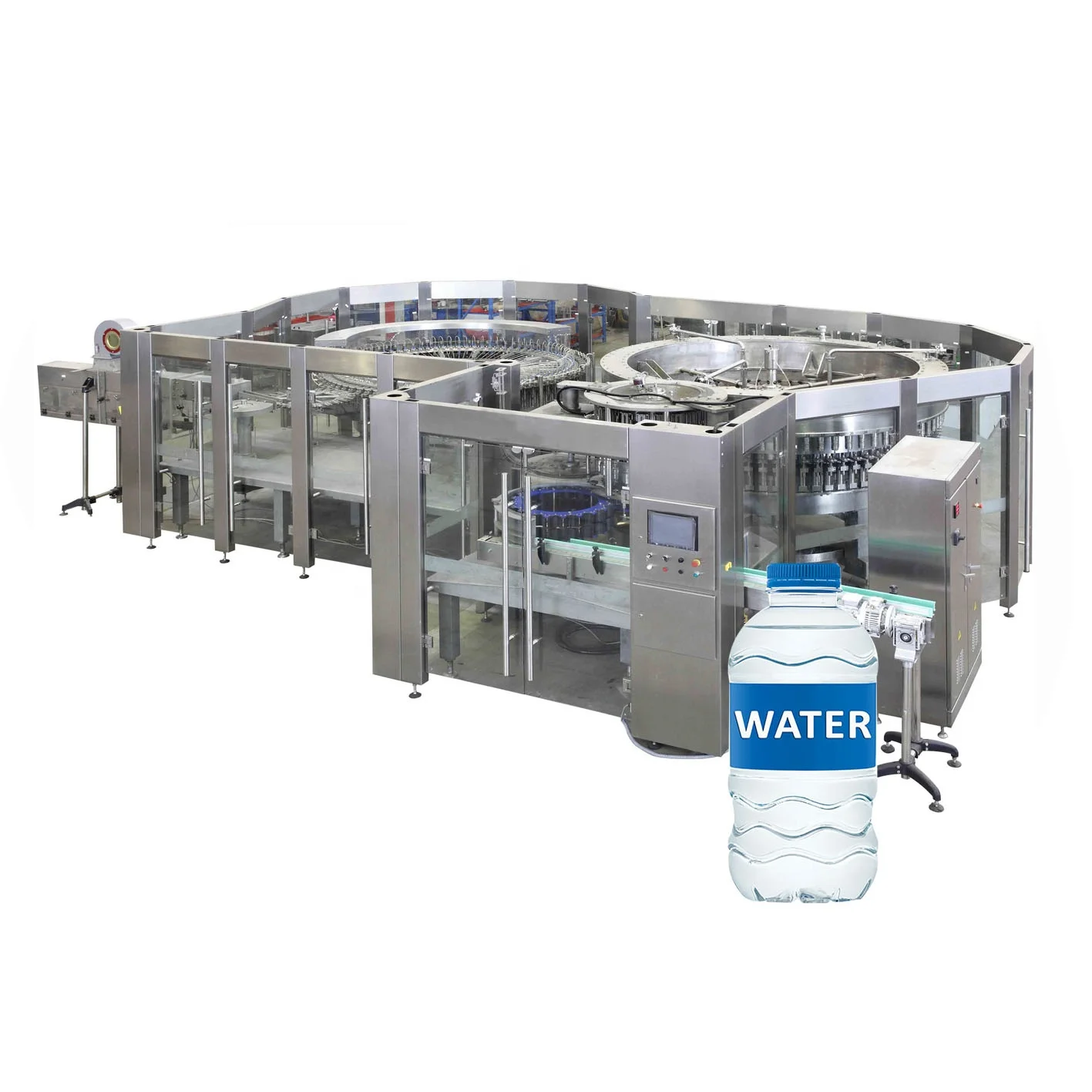
2023-11-24
Water Bottle Filling Machine Solutions
Water bottle filling machines come in various configurations, from small-scale, semi-automatic machines suitable for small businesses to fully automated, high-speed machines used in large-scale production facilities. They play a crucial role in ensuring the efficiency and quality of the water bottling process.
Learn more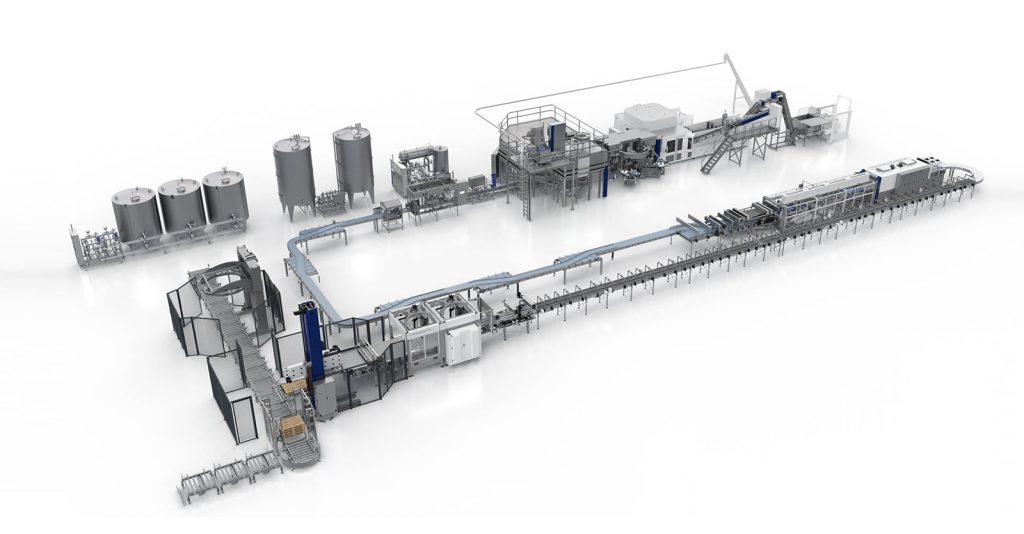
2023-06-29
Design, Installation, Commissioning, Production, and Maintenance of a Water Bottle Filling Line
The design, installation, commissioning, production, and maintenance of a water bottle filling line typically involve the following steps and considerations:
Learn more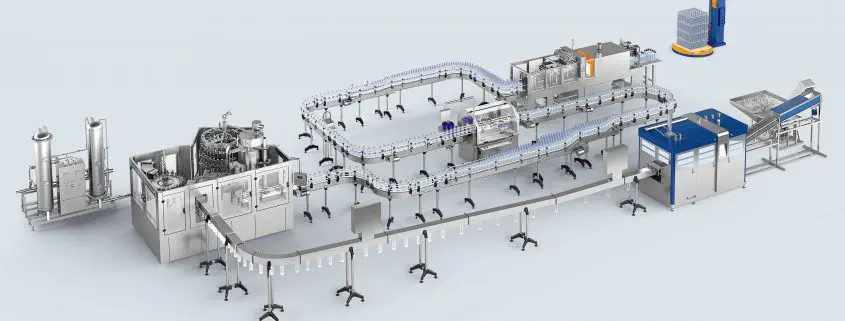
2023-12-14
Bottled Water Production Line: Procurement, Installation, and Commissioning
The procurement, installation, and commissioning of a bottled water production line is a complex and systematic process that requires careful consideration at every stage. The following details the steps from procurement to commissioning:
Learn more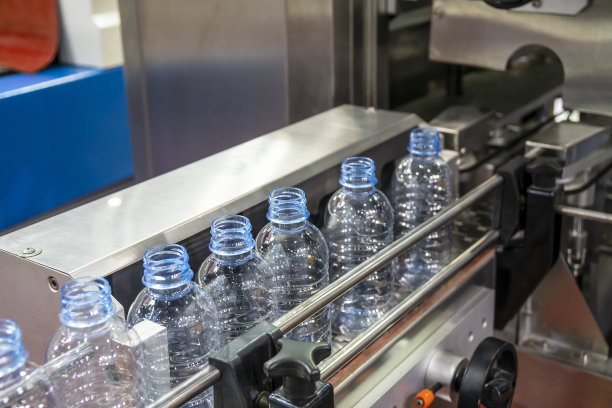
2023-09-14
Water Bottle Filling Machine Prices
Water bottle filling machines are highly automated filling equipment used for various containers, including water bottles, beverage bottles, and wine bottles. The application of this equipment is incredibly diverse, spanning across industries such as food, beverages, and household products
Learn more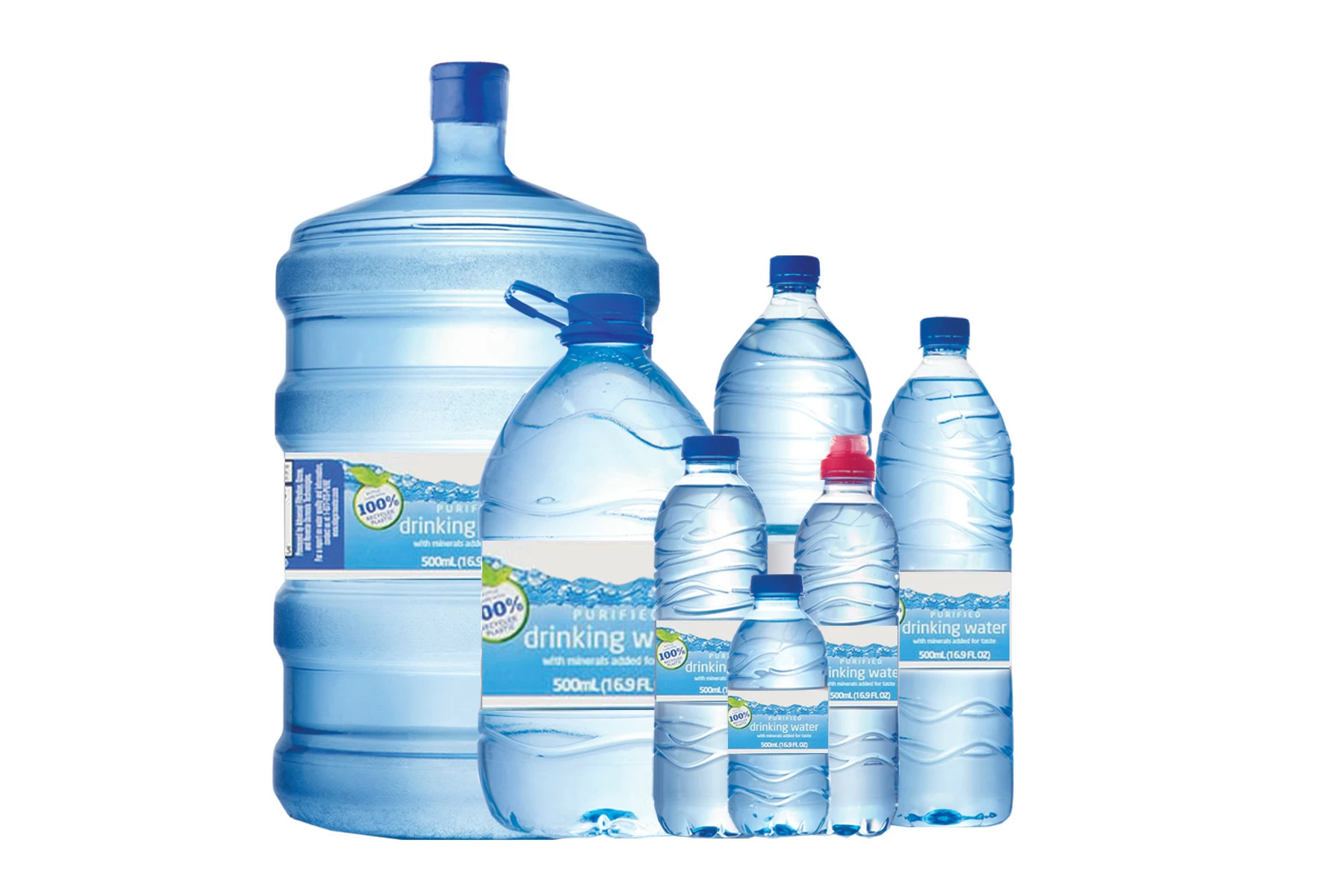
2023-11-21
Bottle Water Filling Machines and Production Line Equipment price
This article will delve into the price range of Bottle Water Filling Machines and the full set of production line equipment provided by HZM Machinery, providing you with a comprehensive understanding and reference.
Learn more2023-06-09
Three In One 24000 BPH Bottled Water Filling Machines
High quality Three In One 24000 BPH Bottled Water Filling Machines from China, China's leading 24000Bph Bottled Water Filling Machines product, with strict quality control 1L Bottled Water Filling Machines factories, producing high quality 10L Washing Filling Capping Machines products.
Learn more