
Insights & Updates
Mineral Water Plant Production Line Cost
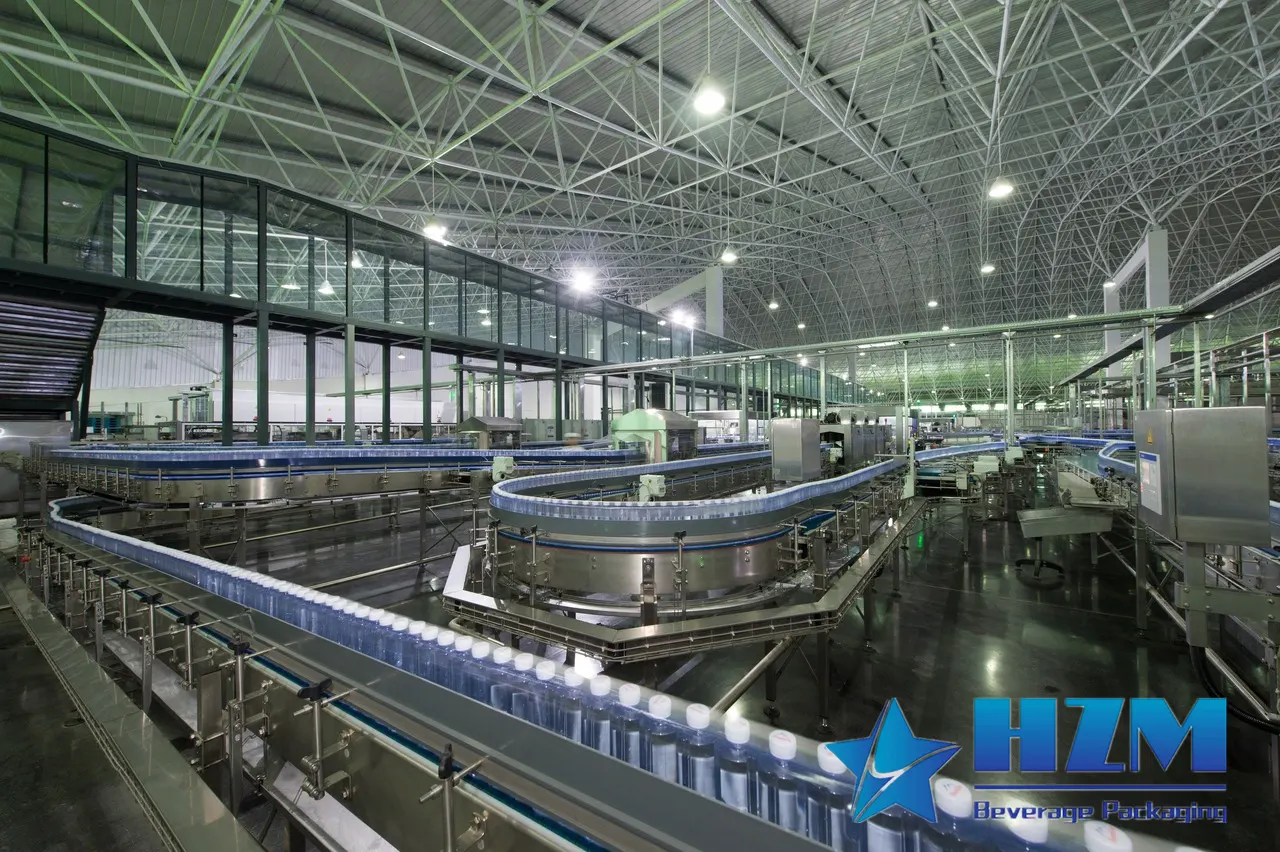
The cost plan for a mineral water plant production line can vary based on several factors, including production scale, location, equipment, and technology choices.
We are a comprehensive supplier of mineral water plant production equipment, specializing in the development, manufacturing, and sales of a range of equipment related to mineral water production. We provide complete mineral water production lines, including water treatment systems, mineral water filling machines, capping machines, automatic labeling machines, packaging machines, conveyors, palletizers, and more. We can offer turnkey projects and have a team of professional after-sales service engineers. Currently, our equipment is exported to over 30 regions and countries worldwide. We welcome more friends to discuss and inquire.
Here is a summary of the cost plan for a mineral water plant production line that we offer, for reference. The actual costs may require a detailed business plan and cost analysis:
- Building and Land Costs:
- Land purchase or leasing expenses.
- Building construction or renovation costs.
- Infrastructure, electricity, water, and gas supply expenses.
- Equipment Costs:
- Water treatment equipment, such as reverse osmosis systems, filters, and disinfection equipment.
- Mineral water filling and packaging equipment.
- Storage tanks, conveyors, etc.
- Quality control equipment and laboratory tools.
- Raw Material Costs:
- Costs associated with sourcing water.
- Packaging material costs, including bottles, labels, caps, and packaging materials.
- Labor Costs:
- Salaries and benefits for operators, technicians, and maintenance personnel.
- The number of staff required for the production line.
- Utility and Permit Costs:
- Expenses for permits, including health department approvals and water quality testing.
- Energy Costs:
- Electricity and gas costs for equipment operation and heating/cooling.
- Packaging and Distribution Costs:
- Expenses for packaging materials, truck transportation, and distribution channels.
- Operating and Maintenance Costs:
- Regular maintenance, repairs, and equipment replacement costs.
- Marketing and Advertising Costs:
- Expenses for promotion, advertising, and marketing campaigns.
- Ongoing Training Costs:
- Costs for providing necessary training and education for employees.
- Wastewater Treatment and Waste Management Costs:
- Expenses related to wastewater treatment and waste disposal.
- Miscellaneous Expenses:
- Budget for unforeseen or miscellaneous expenditures.
- Interest Expenses:
- Consider interest payments if loans are needed to fund the project.
- Working Capital:
- Capital required for daily operating expenses, including raw materials, salaries, and utilities.
- Insurance Costs:
- Expenses for insurance to protect the business and assets.
This is a general estimate, and specific costs will vary depending on project scale, location, and other factors. Before starting the project, you should undertake a detailed business plan, including cost analysis, and consult with industry experts and equipment suppliers to obtain a more accurate estimate of the cost of a mineral water plant production line.
Talk to our engineering team
Need help planning your packaging line?
Share your product, bottle and capacity requirements for a practical equipment recommendation.
Equipment
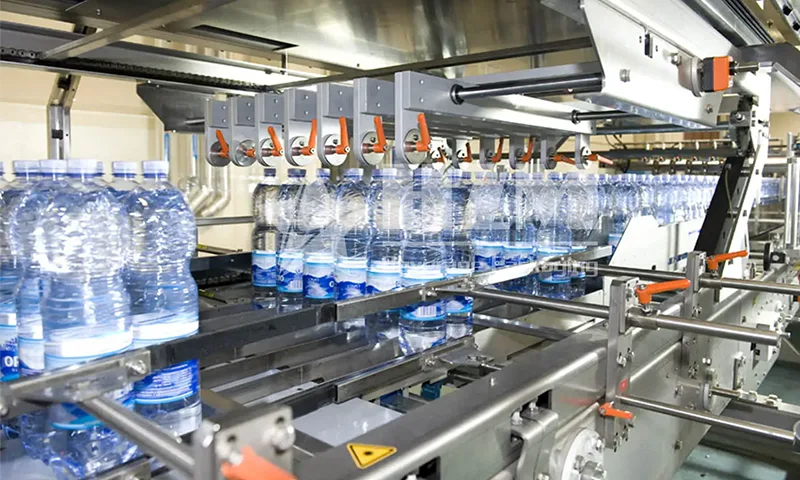
Mineral Water Bottle Packaging Machine
Automatic drinking-water production equipment with PET bottle rinsing, filling and capping, plus downstream packaging options.
Learn more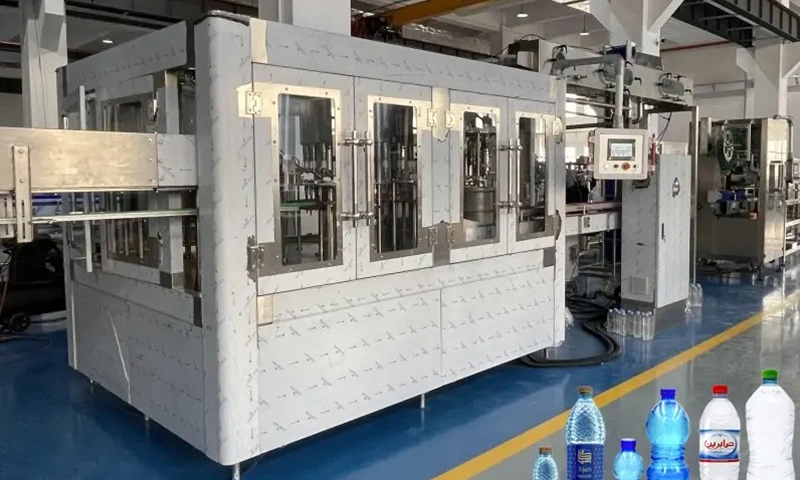
Equipment
Automatic Mineral Water Bottle Filling Machine
Automatic mineral-water bottling with rinsing, filling and capping, from 5,000 to 18,000 bottles/hour at 500 ml.
Learn more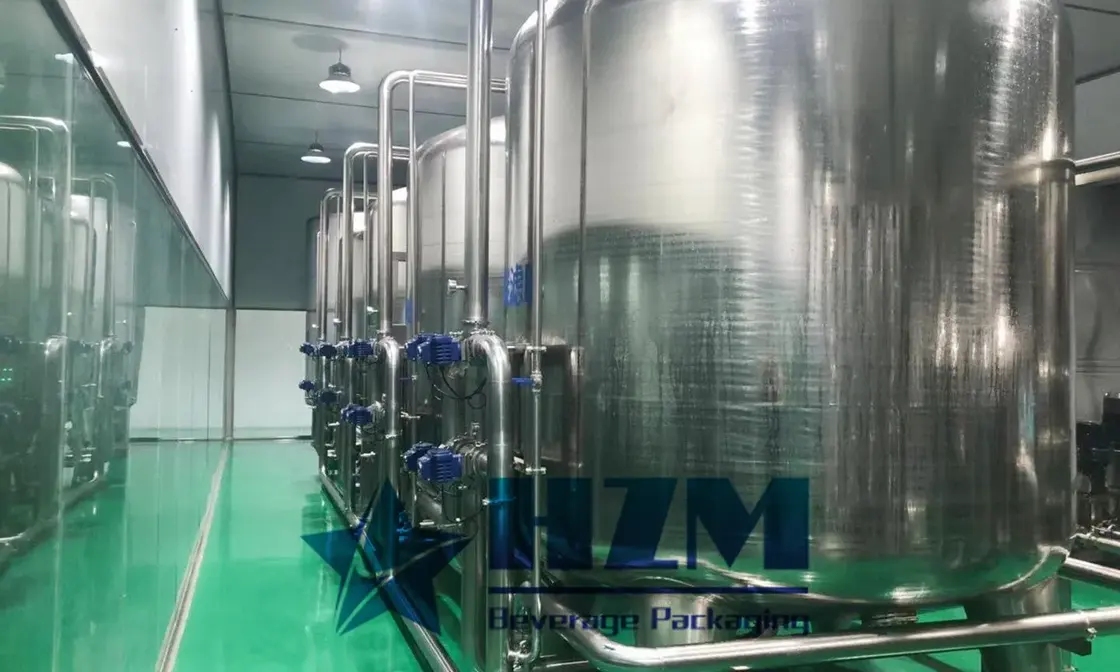
Equipment
Water Purification System for Mineral Water Plant
The mineral water purification system removes unwanted particles and supports hygienic storage and transfer before bottling.
Learn more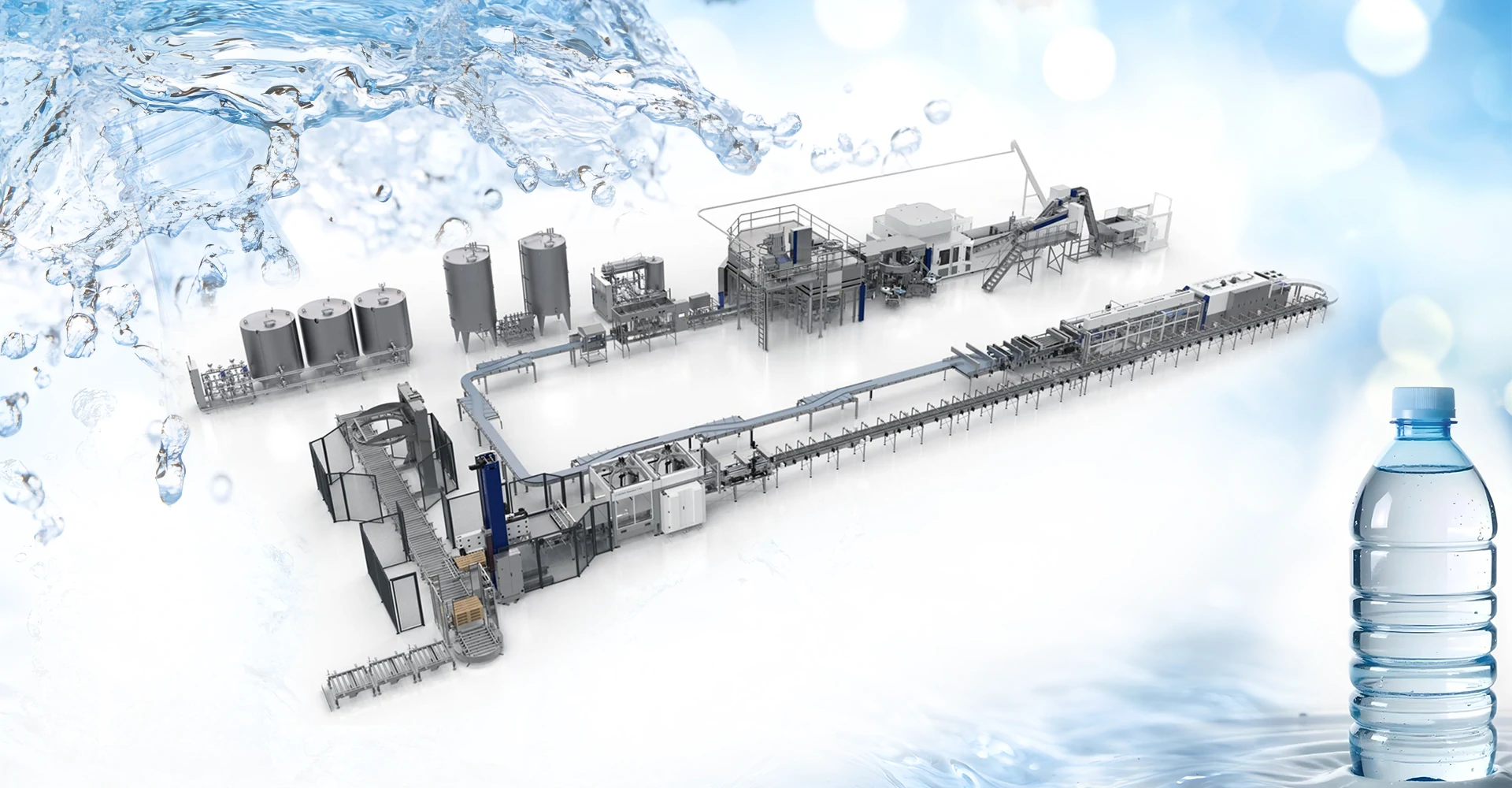
Equipment
Drinking water production line – Bottled Water Filling Machine Manufacturer
PET-bottled drinking-water production with automatic rinsing, filling and capping, plus water treatment and packaging equipment.
Learn more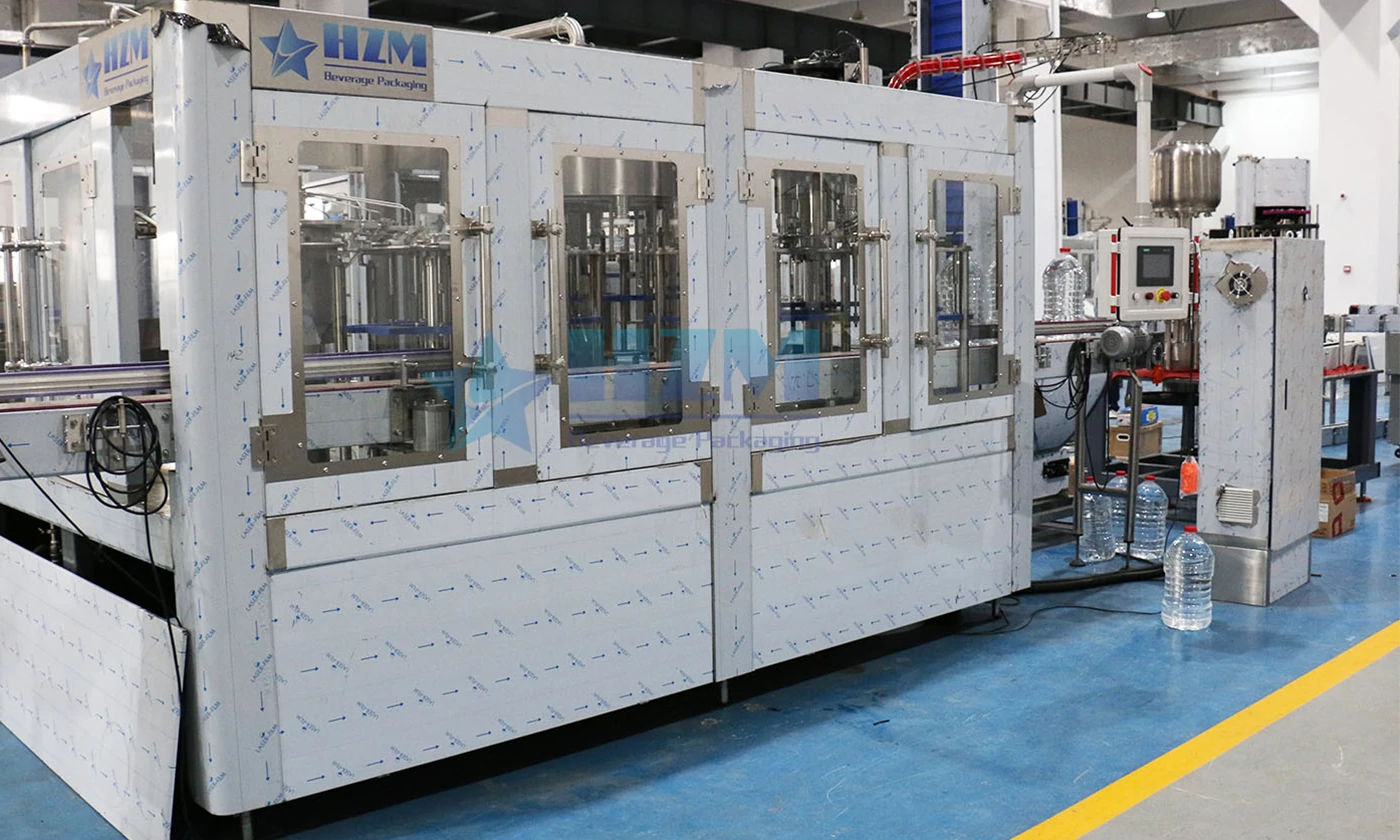
Equipment
5L-10L Large Bottle Drinking Water production line
XGF12-12-4 rinsing, filling and capping for 5 L and 10 L water bottles, with stable outputs of 1,200 and 700 bottles/hour respectively.
Learn more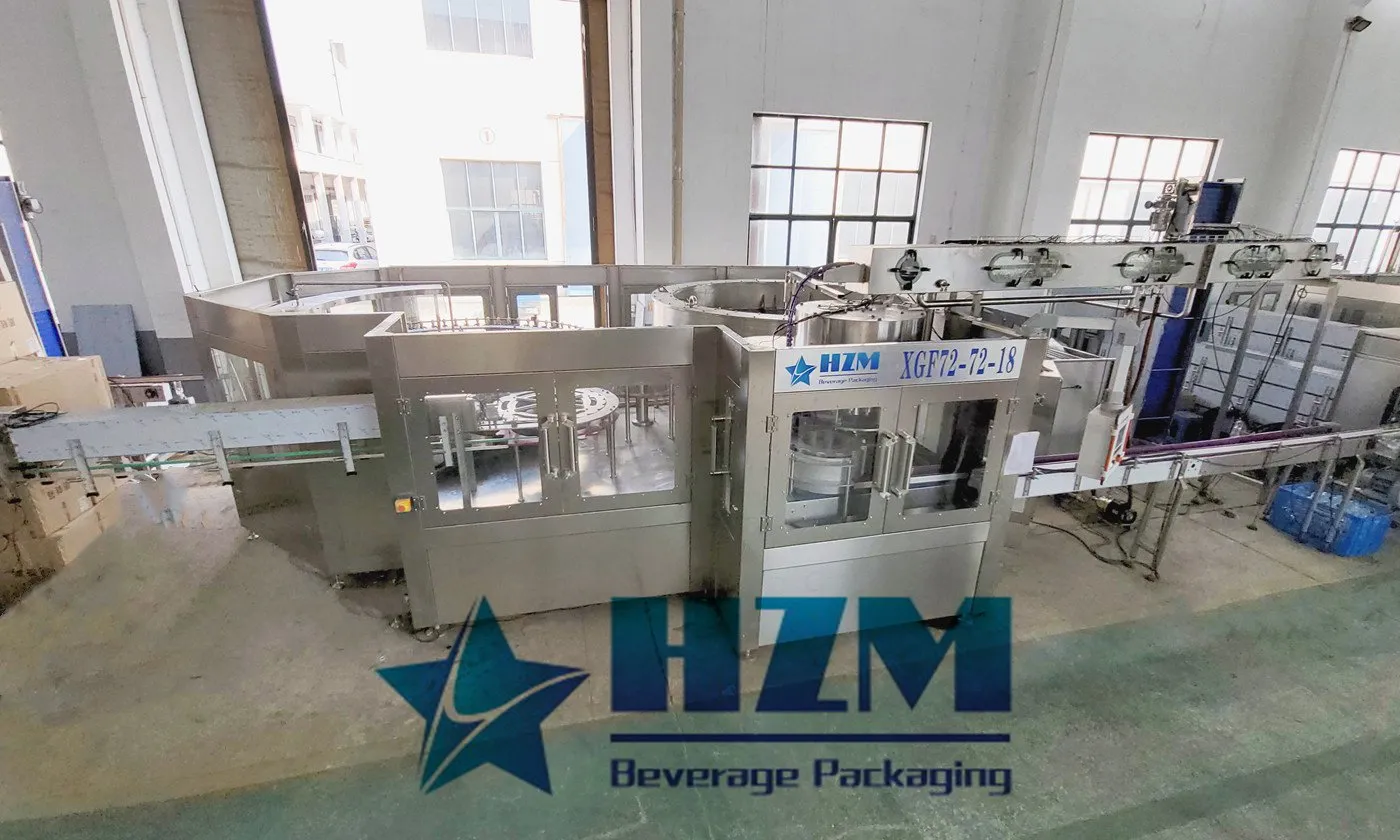
Equipment
Automatic Water Bottle Filling Machine
Automatic rinsing, filling and capping for purified and mineral water in PET bottles, with capacities of 5,000–42,000 bottles/hour at 500 ml.
Learn more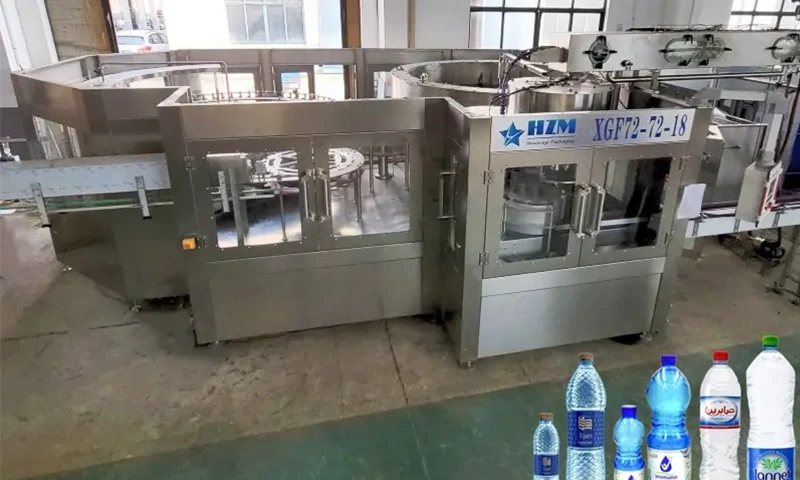
Equipment
3-In-1 Water Bottle Filling Machine
A 3-in-1 PET bottle rinsing, filling and capping machine for drinking water, from 5,000 to 18,000 bottles/hour at 500 ml.
Learn more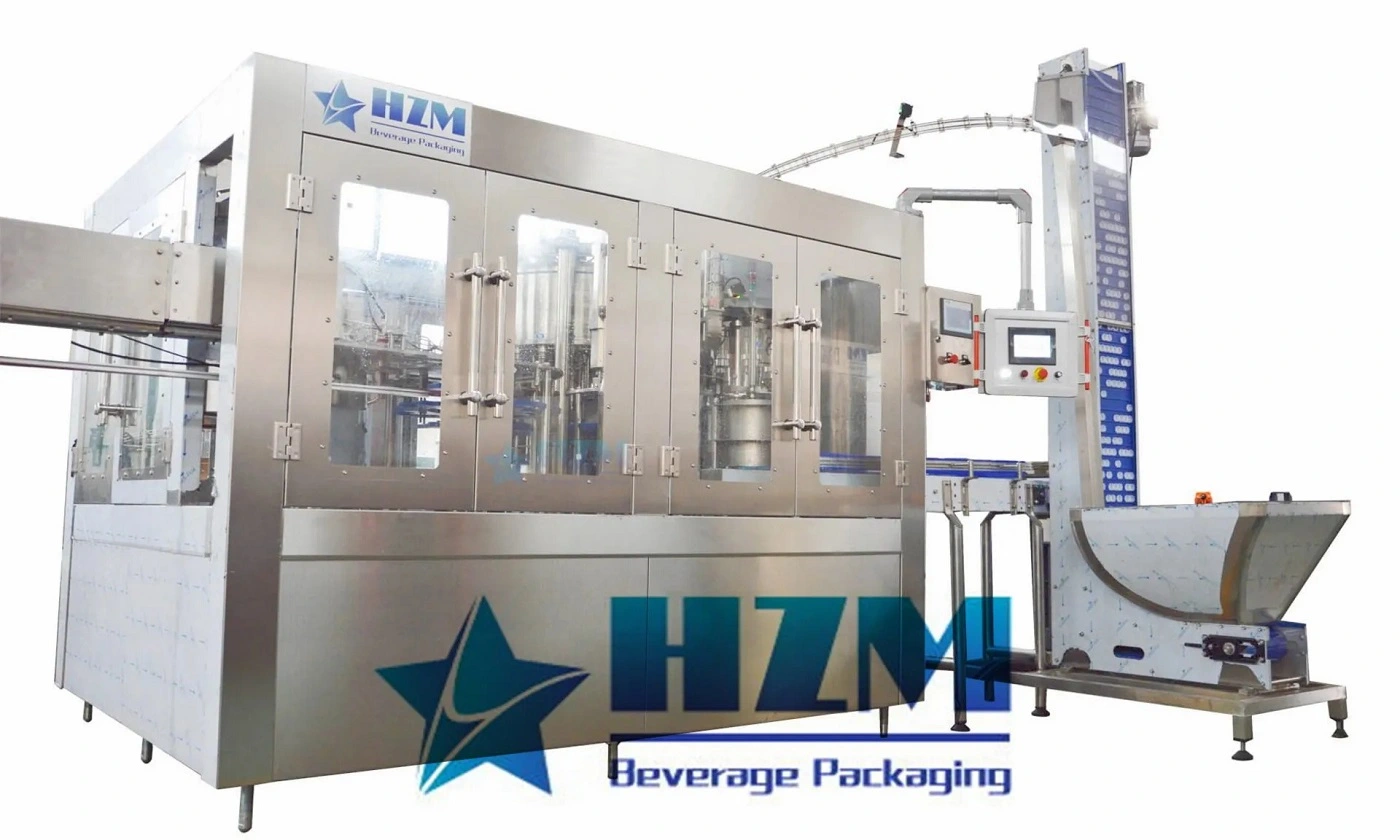
Equipment
Automatic Drinking Water Bottling Machine
Drinking-water bottling equipment with automatic rinsing, filling and capping, plus conveying, labelling and packing options.
Learn more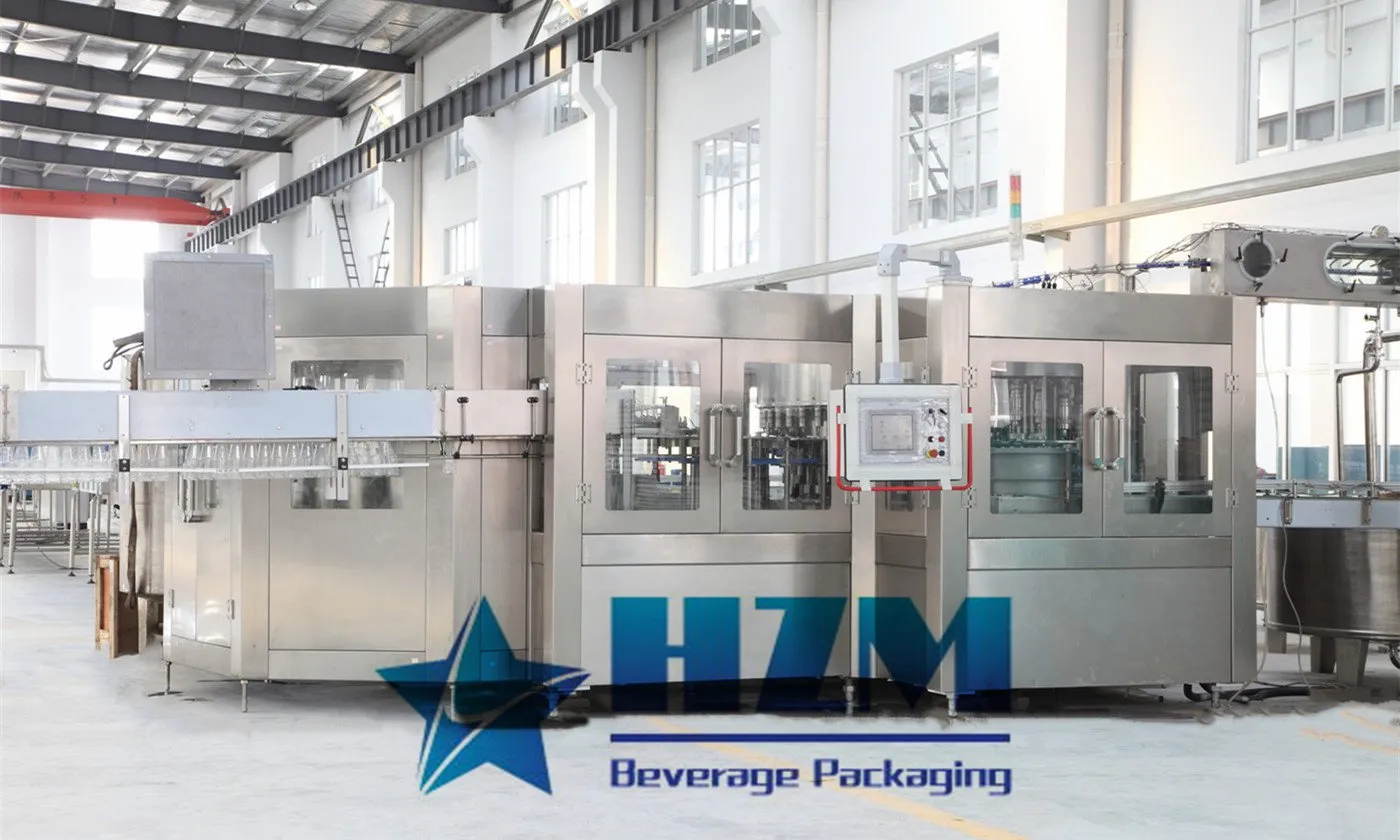
Equipment
PET Bottle Water Filling Machine
PET bottle water filling with automatic rinsing and capping, for purified water, mineral water and still drinking water.
Learn more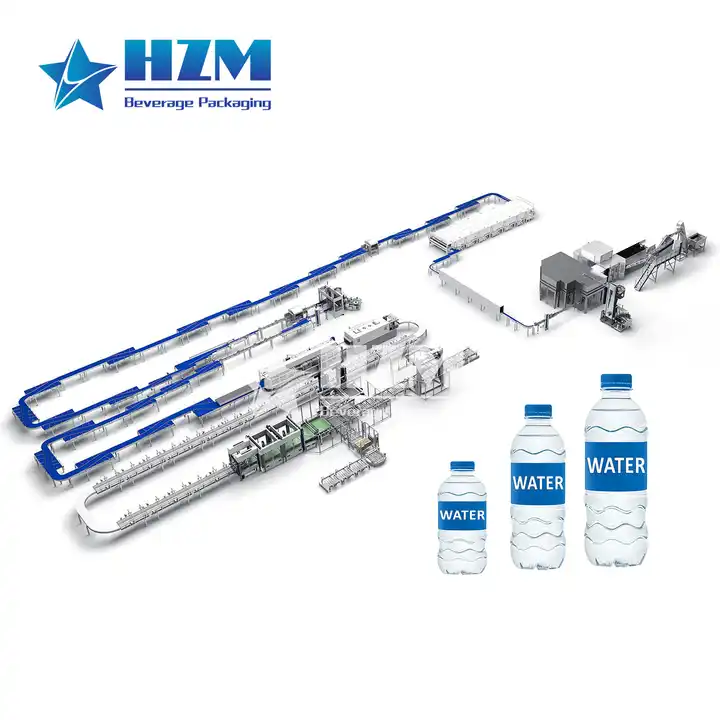
2023-10-29
Mineral Water Plant Production Equipment Solutions And Prices
Price factors are subject to customer requirements, production line size, production capacity, and other variables. For detailed pricing information tailored to your specific needs, please don't hesitate to reach out to us.
Learn more2024-07-30
How Much Does a Complete Mineral Water Production Line Cost?
Many mineral water production companies are concerned about the cost of a complete mineral water production line. The specific price depends on the production capacity of the equipment.
Learn more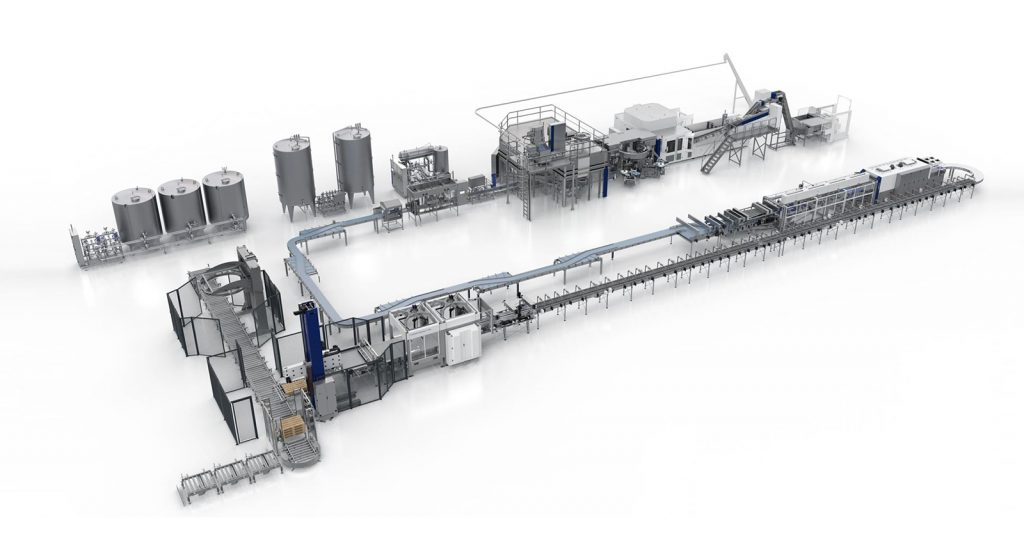
2023-09-14
How Much Does a Mineral Water Production Line Cost?
The cost of a mineral water production line equipment depends on factors such as equipment capacity. Many people wonder how much a small-scale mineral water production line equipment costs.
Learn more
2025-02-10
Mineral Water Production Line – cost-effective
Mineral water production line equipment, factory, price, parameters.
Learn more
2023-11-28
Optimized Overview of the Mineral Water Production Line Process and Equipment
The process flow of the mineral water production line involves several pieces of equipment, including mineral water treatment equipment, bottle blowing machine, fully automatic mineral water filling machine, cap disinfection machine, mineral water labeling machine, coding machine, packaging machine, conveyor lines, connecting pipelines, and more.
Learn more
2023-12-18
How much does a complete set of mineral water production line equipment cost?
The answer to the question of how much a complete set of mineral water production line equipment costs is not straightforward, as the price is influenced by various factors.
Learn more