
Insights & Updates
5 Gallon Bottle Blow Molding Machine: Leading Equipment for the Industry
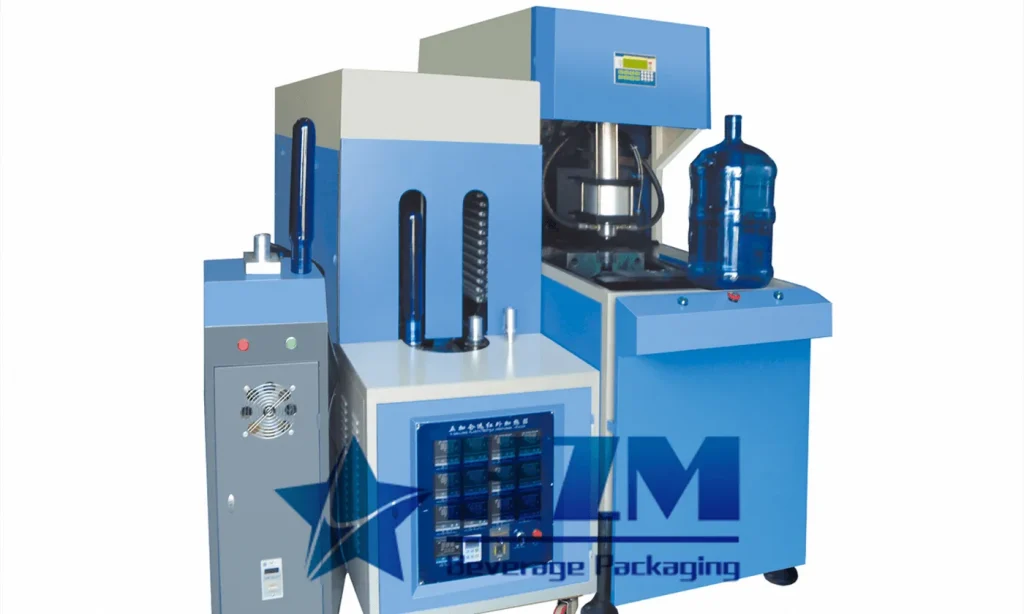
Introduction: The 5 Gallon Bottle Blow Molding Machine is an advanced manufacturing equipment used for producing high-quality and durable 5-gallon (18.9 liters) plastic bottles. This article will provide an overview of the machine’s functions, applicable industries, usage tips, production capacity, maintenance, and the Chinese manufacturer of the HZM 5 Gallon Bottle Blow Molding Machine.
-
- Functions: The 5 Gallon Bottle Blow Molding Machine is primarily used to transform preheated plastic pellets into 5-gallon plastic bottles through the blow molding process. It utilizes high-pressure air to expand the plastic, resulting in sturdy and durable bottle bodies.
- Applicable Industries: The 5 Gallon Bottle Blow Molding Machine finds extensive applications in the liquid packaging industry, particularly in the fields of mineral water, beverages, cleaning agents, and chemicals. These industries demand high-quality, hygienic, and reliable packaging, which can be effectively met with 5-gallon plastic bottles.
- Usage Tips:
- Temperature and Pressure Adjustment: Adjust the heating temperature and air pressure according to the type of plastic used, ensuring uniform melting and adequate expansion of the plastic.
- Mold Selection: Choose suitable molds based on the desired bottle shape and size to ensure molding quality and production efficiency.
- Safety Measures: Strictly adhere to safety regulations during operation to ensure the safety of operators and maintain smooth machine functioning.
- Production Capacity: The HZM 5 Gallon Bottle Blow Molding Machine demonstrates excellent production capacity and output. Equipped with an advanced automation control system, it enables efficient continuous production. The specific capacity and output depend on the machine model and production settings but typically range from 200 to 400 5-gallon plastic bottles per hour.
- Maintenance: Regular maintenance is crucial to maintaining the stability and longevity of the 5 Gallon Bottle Blow Molding Machine. Maintenance tasks include cleaning the machine, lubricating components, replacing worn parts, and conducting regular inspections of the electrical and pneumatic systems. Following the manufacturer’s maintenance manual and recommendations ensures optimal machine performance.
- Manufacturer of HZM 5 Gallon Bottle Blow Molding Machine: HZM is a renowned manufacturer of plastic manufacturing equipment, specializing in the research and production of various blow molding machines. They offer high-quality and reliable 5 Gallon Bottle Blow Molding Machines, highly recognized in the industry. HZM focuses on technological innovation and quality control, enjoying a strong reputation in the market.
Conclusion: The 5 Gallon Bottle Blow Molding Machine plays a significant role in the liquid packaging industry, providing high-quality plastic bottles that meet the industry’s requirements for hygiene, reliability, and durability. By utilizing proper usage techniques, maintenance practices, and choosing the HZM brand of 5 Gallon Bottle Blow Molding Machine, businesses can enhance production efficiency, reduce costs, and meet market demands.
Talk to our engineering team
Need help planning your packaging line?
Share your product, bottle and capacity requirements for a practical equipment recommendation.
Equipment
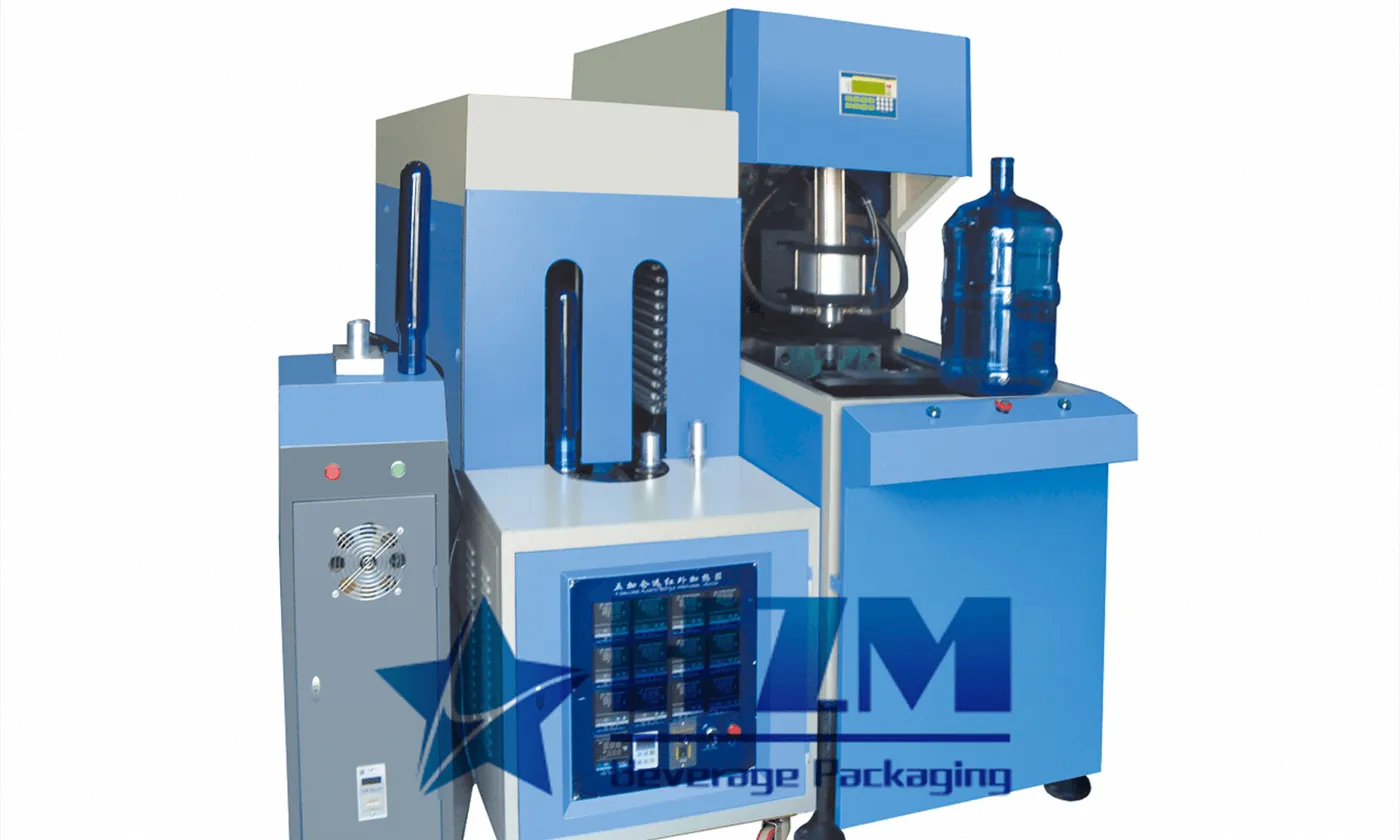
5 Gallon Bottle Blow Molding Machine
This blow moulding machine produces large PET water bottles, including 5-gallon containers.
Learn more
Equipment
Automatic Blow Molding Machine
Automatic PET bottle blowing for water and beverage packaging, with capacities of 12,000–24,000 bottles/hour at 500 ml.
Learn more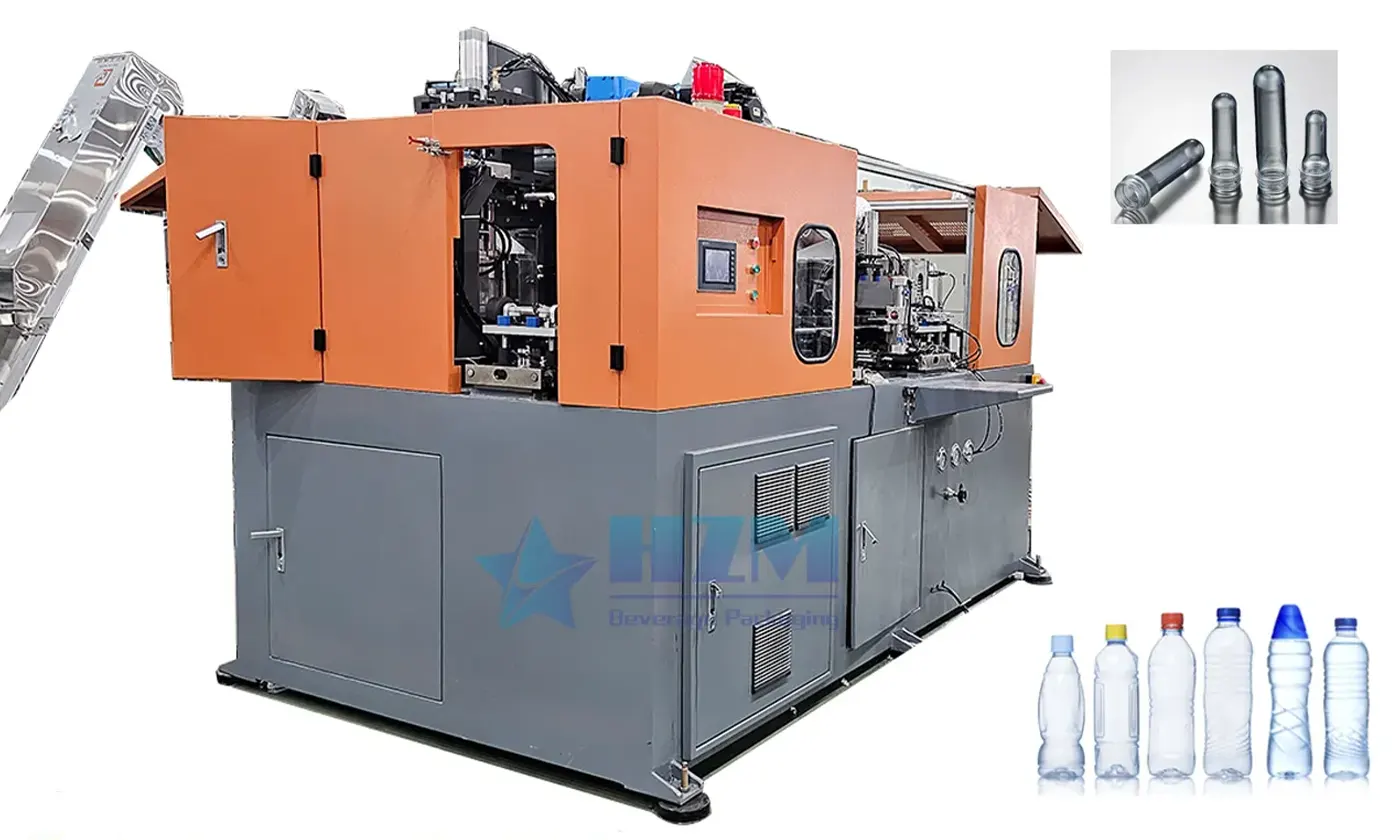
Equipment
PET Bottle Blow Molding Machine
PET bottle blow moulding with 6–12 cavities and capacities of 12,000–21,600 bottles/hour at 500 ml.
Learn more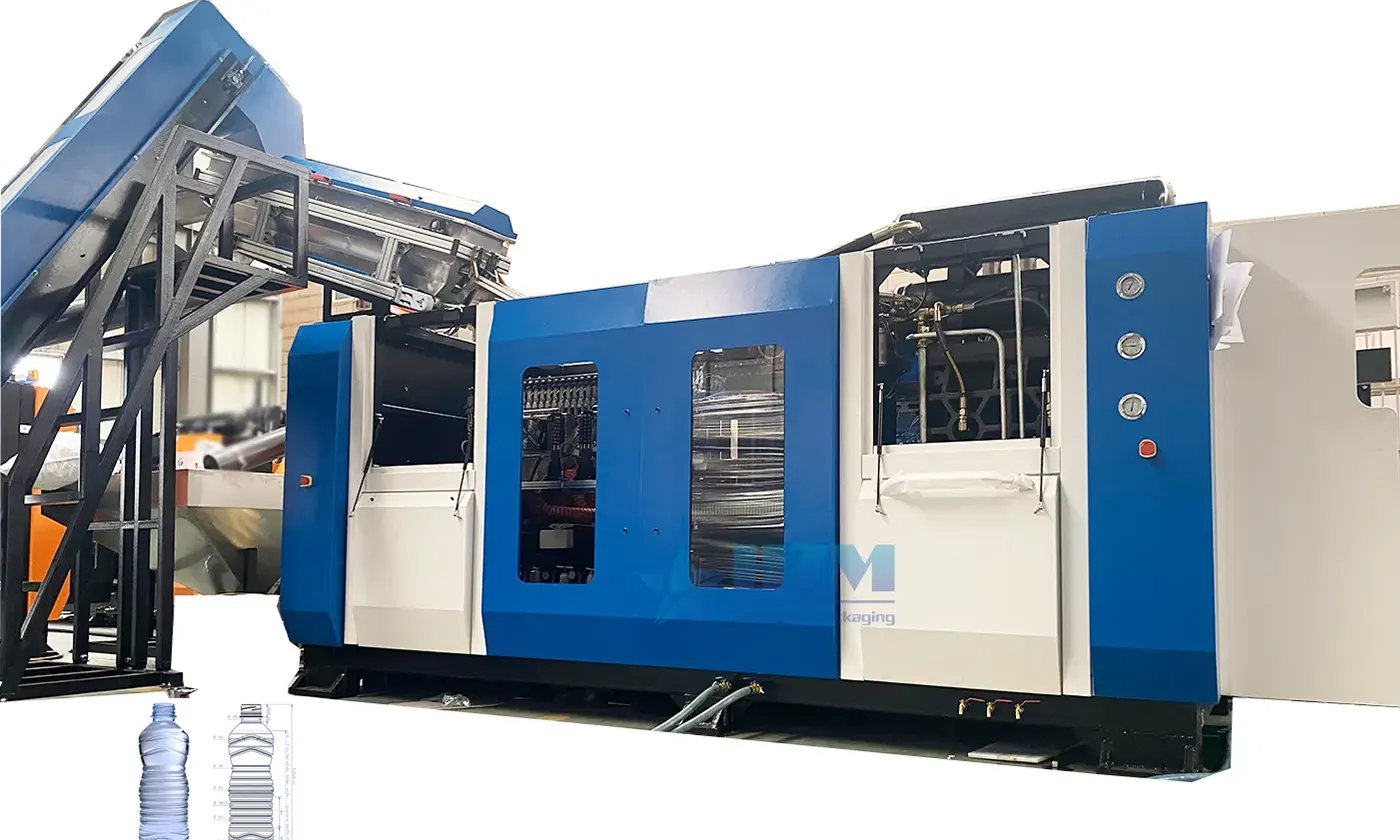
Equipment
Automatic Water Bottle Blowing Molding Machine
Automatic water bottle blowing from PET preforms, with 6–12 cavities and capacities up to 21,600 bottles/hour at 500 ml.
Learn more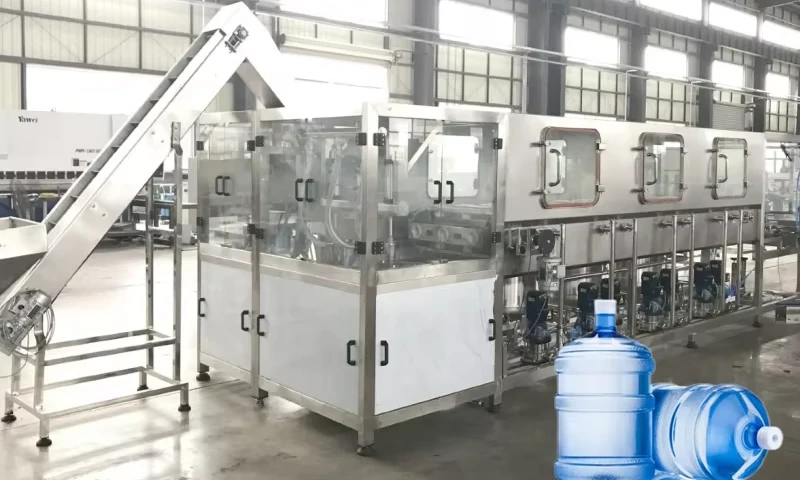
Equipment
Automatic 5 Gallon Water Filling Line | 3-5 Gallon Bottled Water Production Line Manufacturer
The automatic 3–5 gallon water filling line washes, fills and caps returnable jars for purified-water and mineral-water production.
Learn more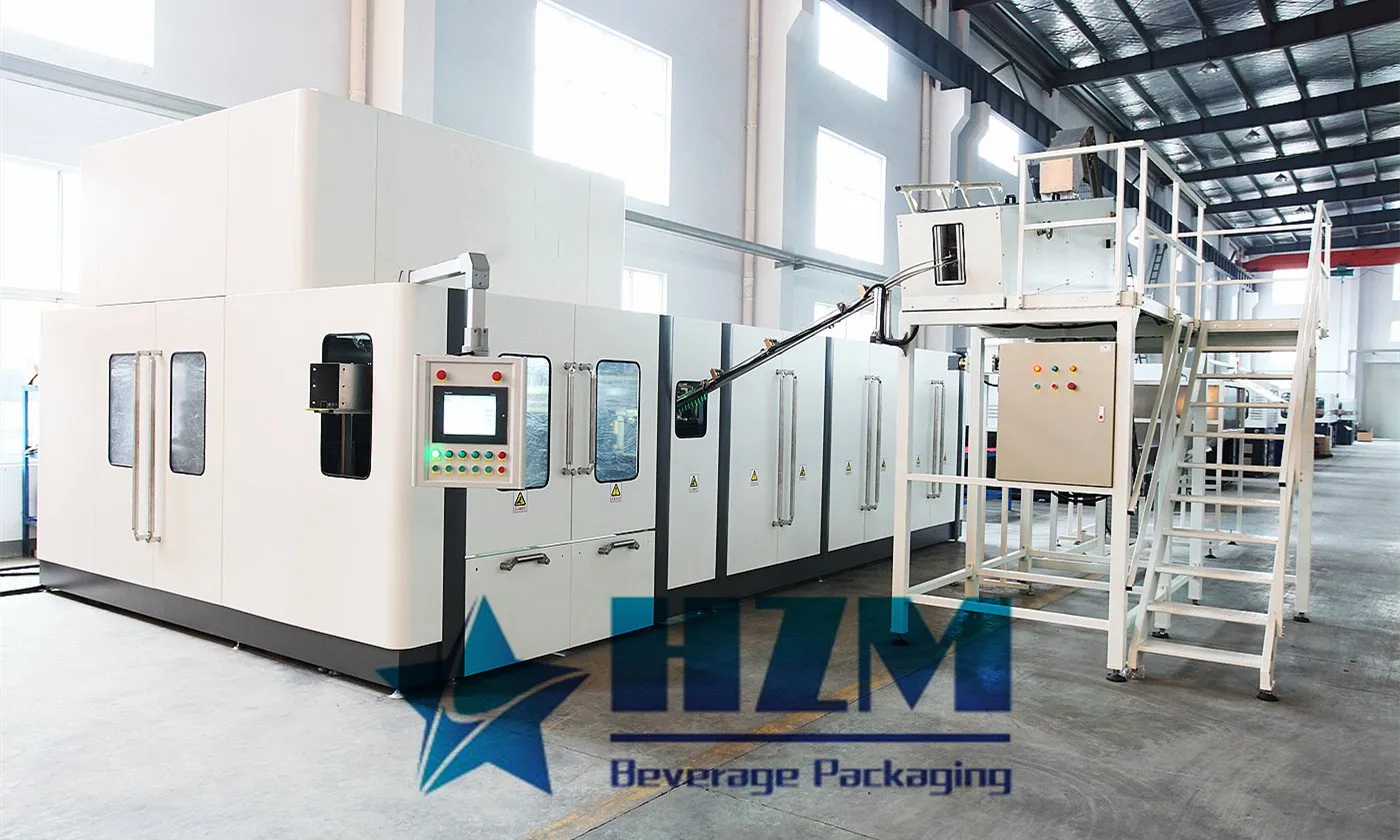
Equipment
Automatic Rotary Blow Molding Machine
Rotary PET bottle blow moulding for water and beverage packaging, with 6–24 cavities and capacities up to 48,000 bottles/hour at 500 ml.
Learn more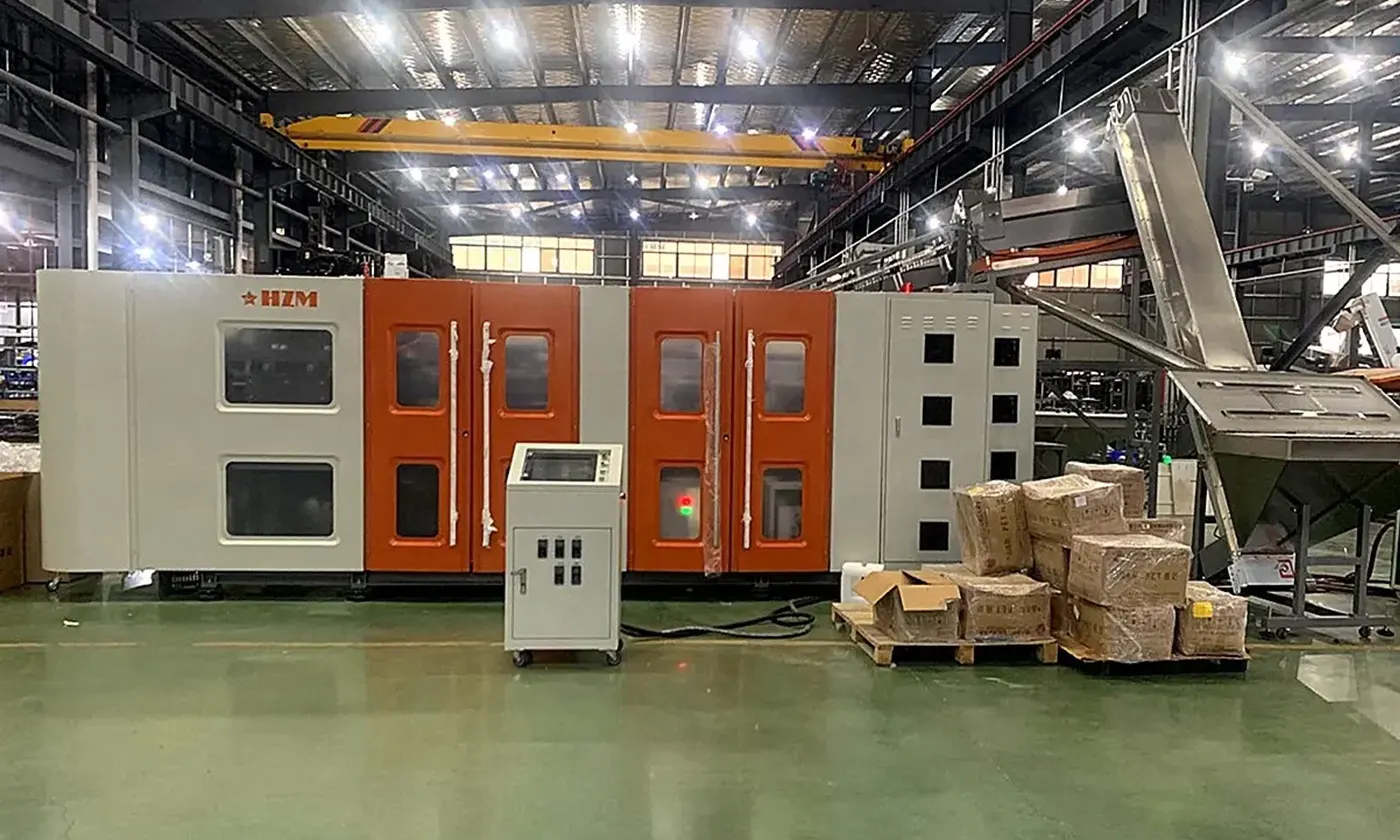
Equipment
Automatic PET Stretch Blow Molding Machine
Automatic PET stretch blow moulding with 2, 4 or 6 cavities and HZM-ECO model capacities of 1,800–7,000 bottles/hour.
Learn more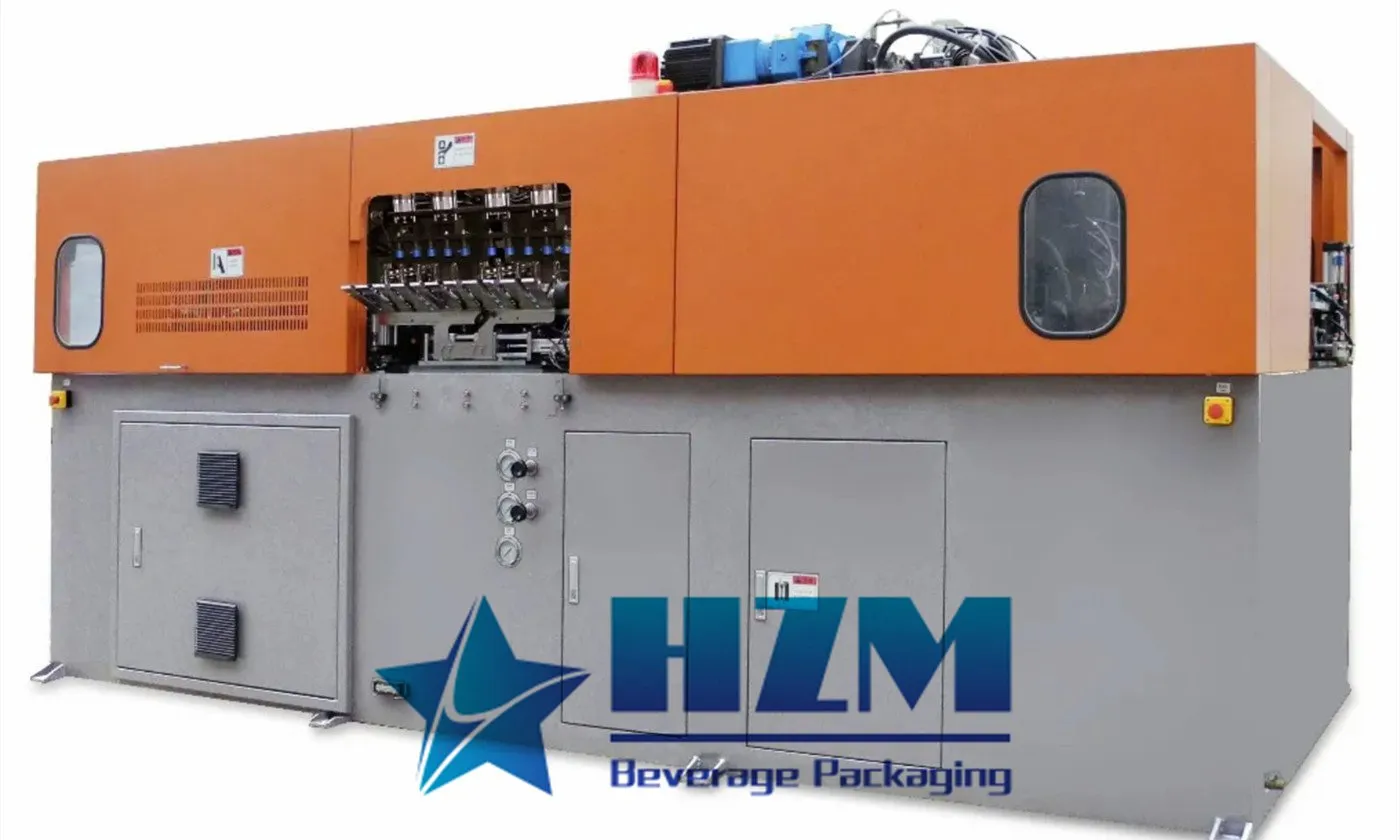
Equipment
Full Electric Servo Type Blow Molding Machine
Full-electric servo PET blow moulding with 4, 6, 9 or 10 cavities and capacities of 5,400–13,000 bottles/hour at 500 ml.
Learn more
Equipment
3-5 Gallon Water Filling Line
Automatic washing, filling and capping for 3–5 gallon drinking-water jars, with QGF models from 120 to 900 jars/hour at 5 gallons.
Learn more