
Insights & Updates
Soft Drinks VS Water Filling Machine: A Comparison
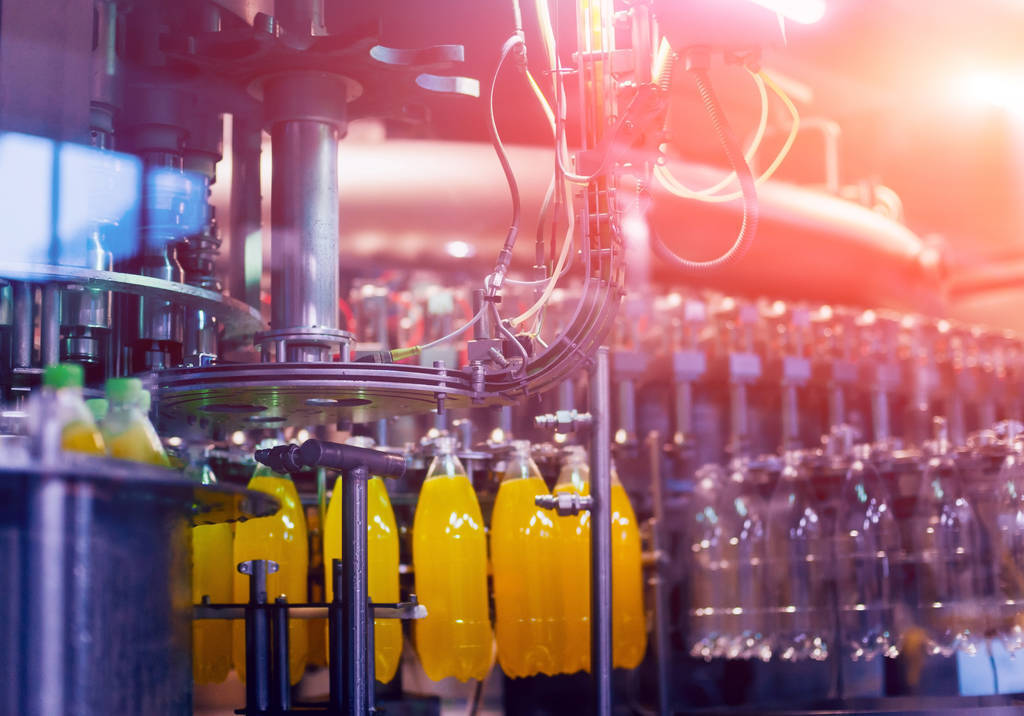
In today’s beverage industry, carbonated drinks and Water stand out as two prominent categories that demand efficient and hygienic filling processes. However, when it comes to filling machines for these beverages, there are notable distinctions in various aspects, including functionality, pricing, and applicable industries.
Similarities:
- Filling Purpose: Both Soft Drinks and Water filling machines serve the fundamental purpose of accurately filling liquid beverages into bottles and securely sealing them to maintain product quality and safety.
- Filling Principle: These machines employ automated control systems, along with a series of conveyors, filling valves, and sealing mechanisms, streamlining the filling process and minimizing manual intervention.
- Packaging Specifications: Bottles and cans are the common packaging options for both Soft Drinkss and Water, catering to diverse market preferences.
Differences:
- Gas Injection: The Soft Drinks filling machine is specifically engineered for drinks containing carbon dioxide, necessitating gas injection during the filling process to enhance carbonation and mouthfeel. Conversely, the Water filling machine focuses solely on bottling and sealing pure water without any gas injection.
- Liquid Composition: Soft Drinkss often contain additives, sugars, and colorants, posing more complex filling requirements. In contrast, Water is a simpler composition, comprising only natural water sources without additives, which demands stringent filling standards.
- Equipment Material: Due to the corrosive nature of carbon dioxide in carbonated drinks, filling machines typically utilize stainless steel to prevent corrosion. In contrast, Water filling machines commonly employ food-grade plastic or 316L stainless steel to ensure water purity.
Pricing:
Soft Drinks filling machines are generally pricier due to the complexities of gas injection and associated features. Conversely, Water filling machines offer a more cost-effective solution as they involve simpler processes. Additionally, pricing may vary based on factors such as production capacity, level of automation, and equipment configuration.
Applicable Industries:
Soft Drinks filling machines are primarily suited for industries producing carbonated drinks, sodas, and sparkling beverages, which enjoy widespread popularity. On the other hand, Water filling machines cater to industries producing Water, purified water, and functional water, benefiting from the growing demand for healthy drinking options.
In conclusion, while Soft Drinks and Water filling machines share similarities in their basic functions and packaging specifications, they differ significantly in terms of gas injection, liquid composition, equipment materials, pricing, and applicable industries. Choosing the appropriate filling machine requires careful consideration of factors such as product type, production scale, and budget to ensure efficient production processes and consistent product quality.
Talk to our engineering team
Need help planning your packaging line?
Share your product, bottle and capacity requirements for a practical equipment recommendation.
Equipment
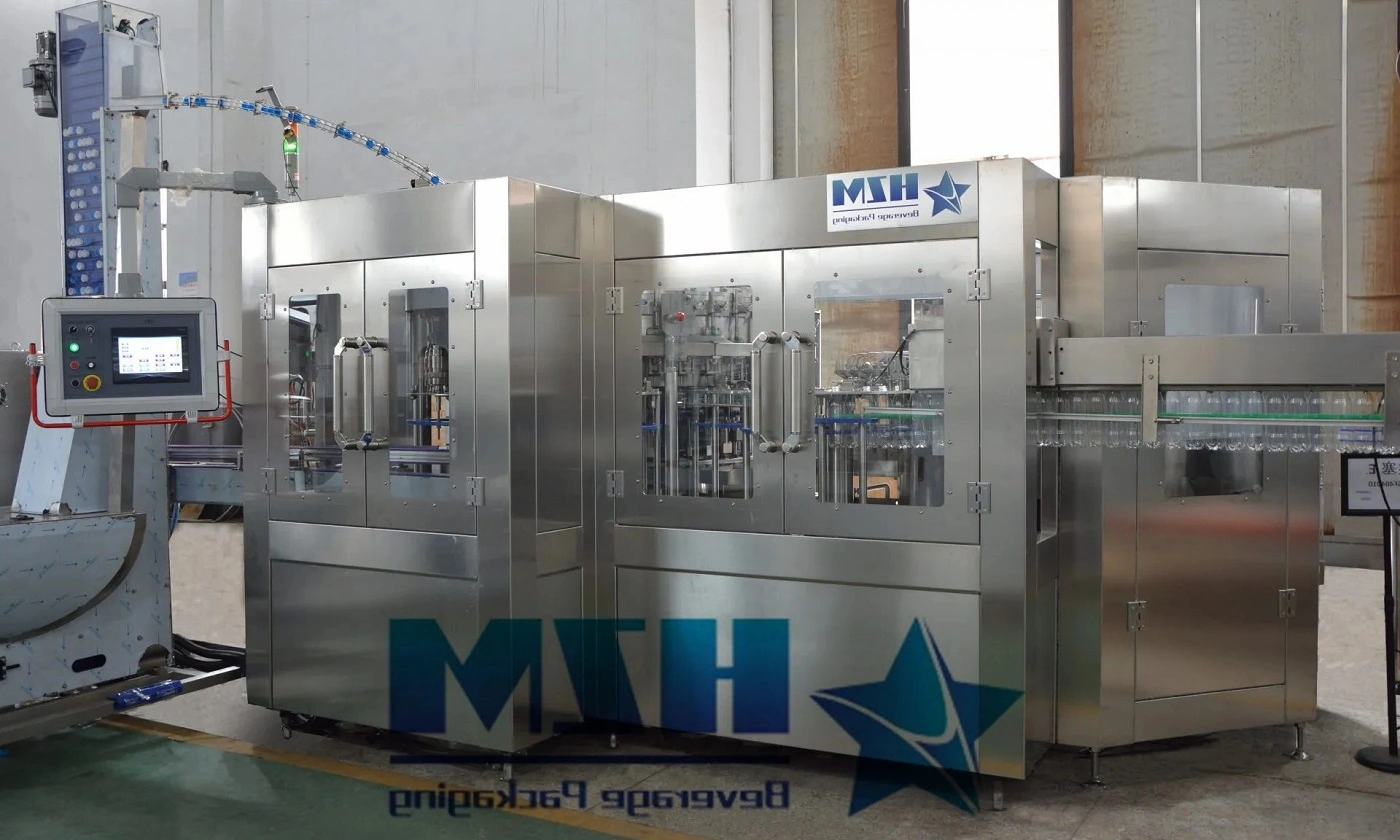
Soft Drinks Sparkling Water Filling Machine
PET bottle filling for soft drinks and sparkling water, combining rinsing, counter-pressure filling and capping.
Learn more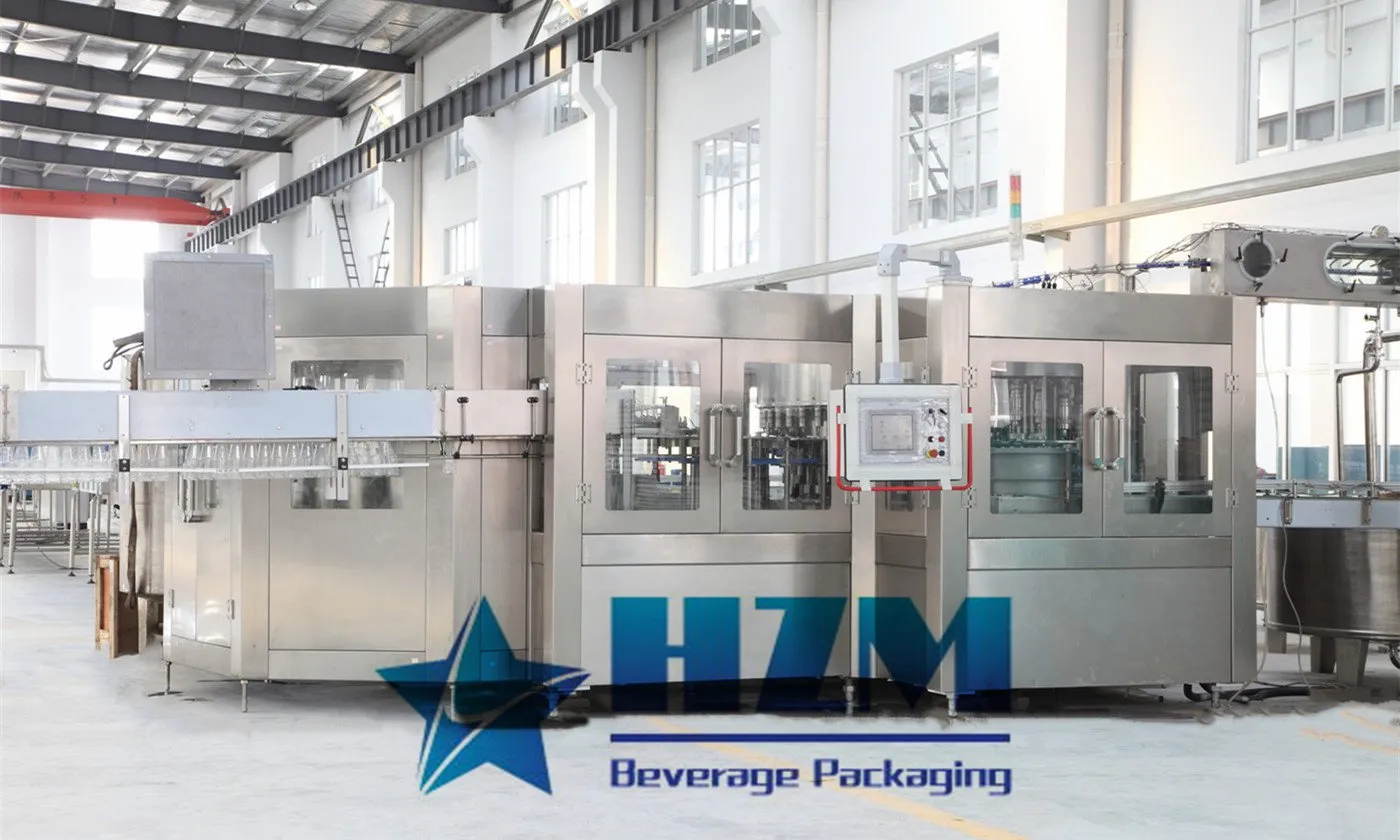
Equipment
PET Bottle Water Filling Machine
PET bottle water filling with automatic rinsing and capping, for purified water, mineral water and still drinking water.
Learn more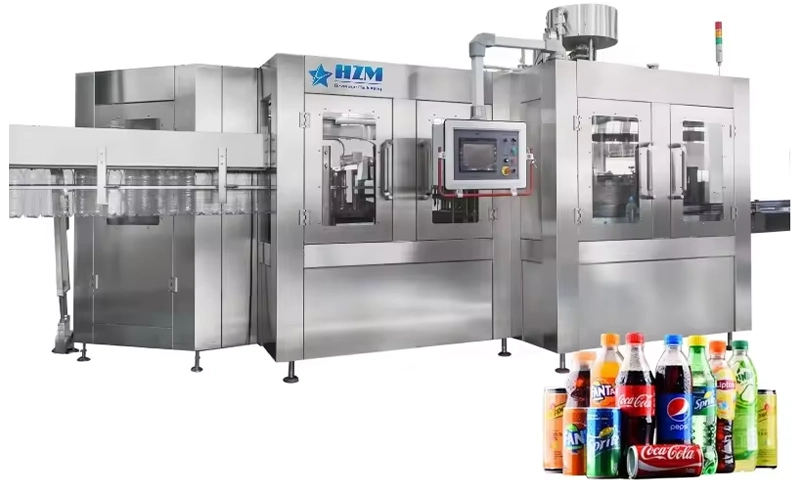
Equipment
Carbonated Soft Drink Filling Machine
Carbonated soft drink rinsing, isobaric filling and capping, with DXGF models from 3,000 to 15,000 bottles/hour at 500 ml.
Learn more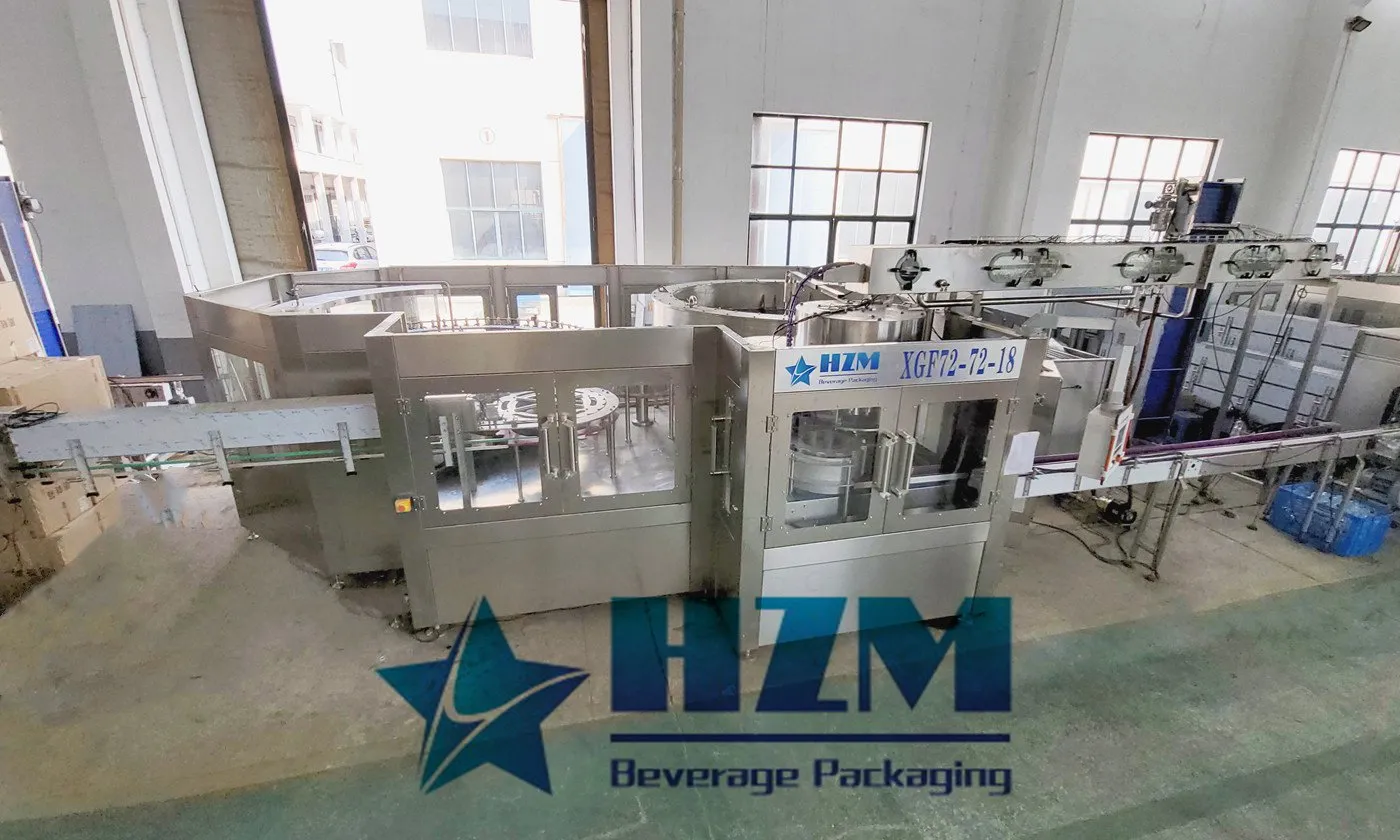
Equipment
Automatic Water Bottle Filling Machine
Automatic rinsing, filling and capping for purified and mineral water in PET bottles, with capacities of 5,000–42,000 bottles/hour at 500 ml.
Learn more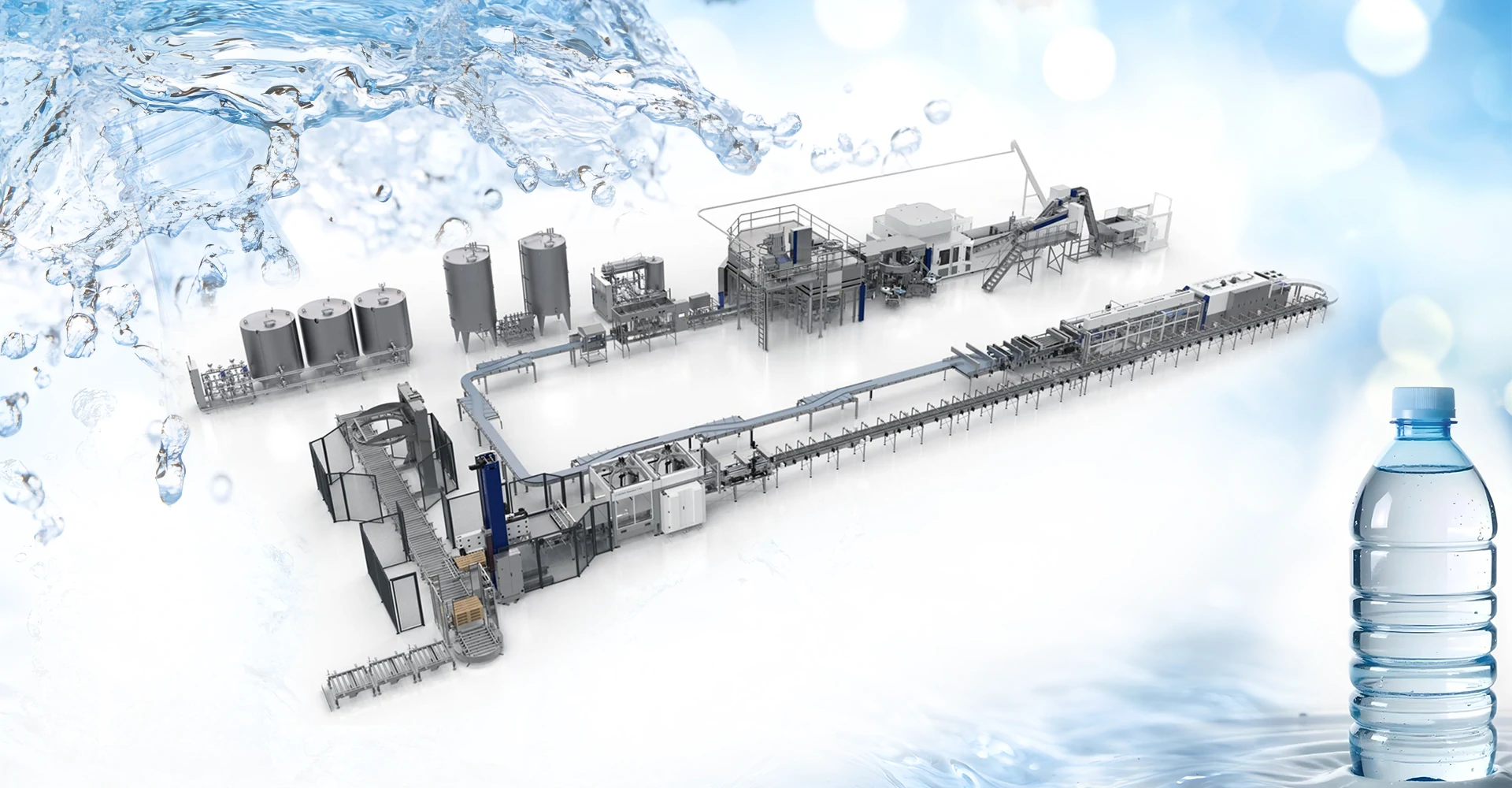
Equipment
Drinking water production line – Bottled Water Filling Machine Manufacturer
PET-bottled drinking-water production with automatic rinsing, filling and capping, plus water treatment and packaging equipment.
Learn more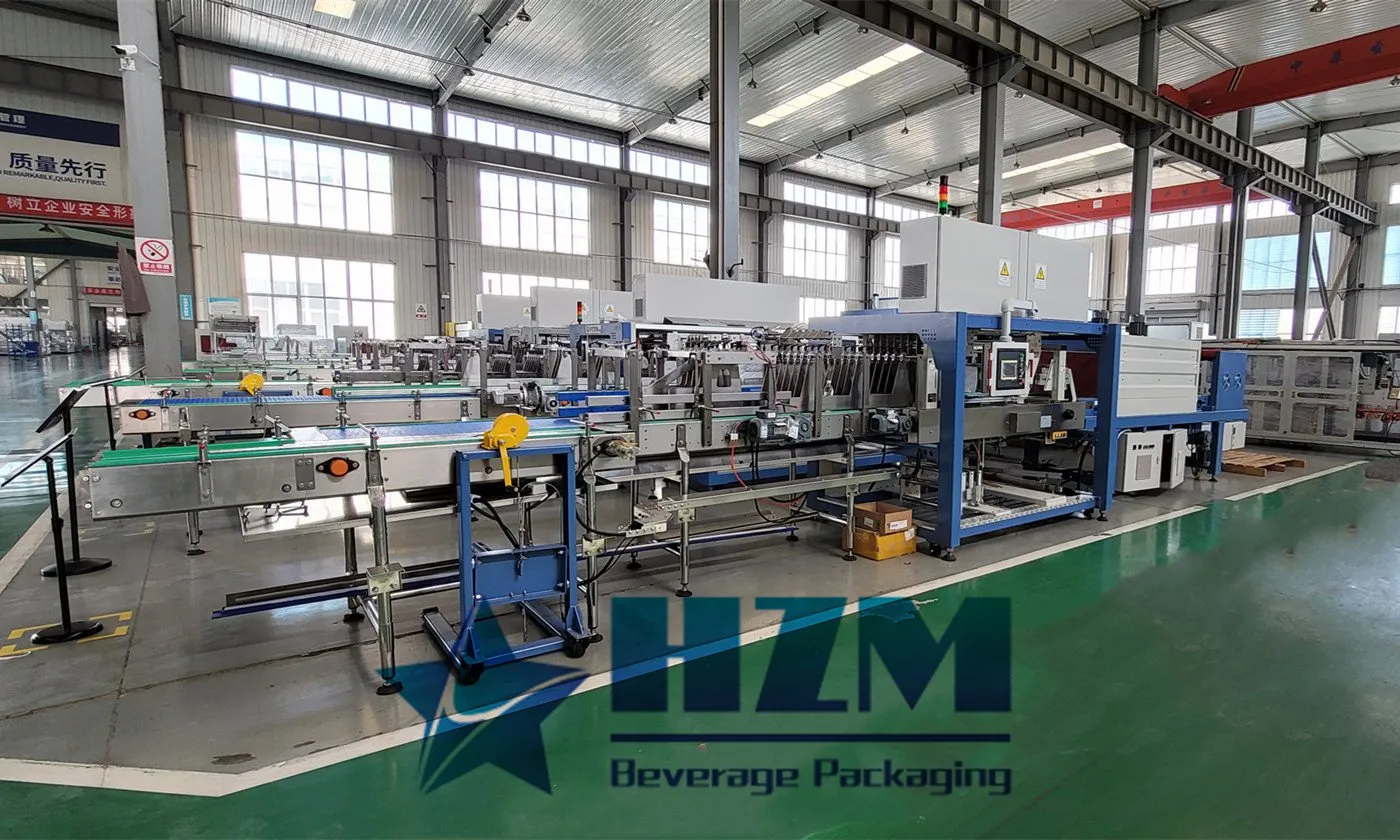
Equipment
Automatic Beverage Packaging Machines – Juice, Soda & Soft Drinks
HZM beverage packaging equipment connects juice, soda and soft drink filling with labelling, coding and secondary packaging.
Learn more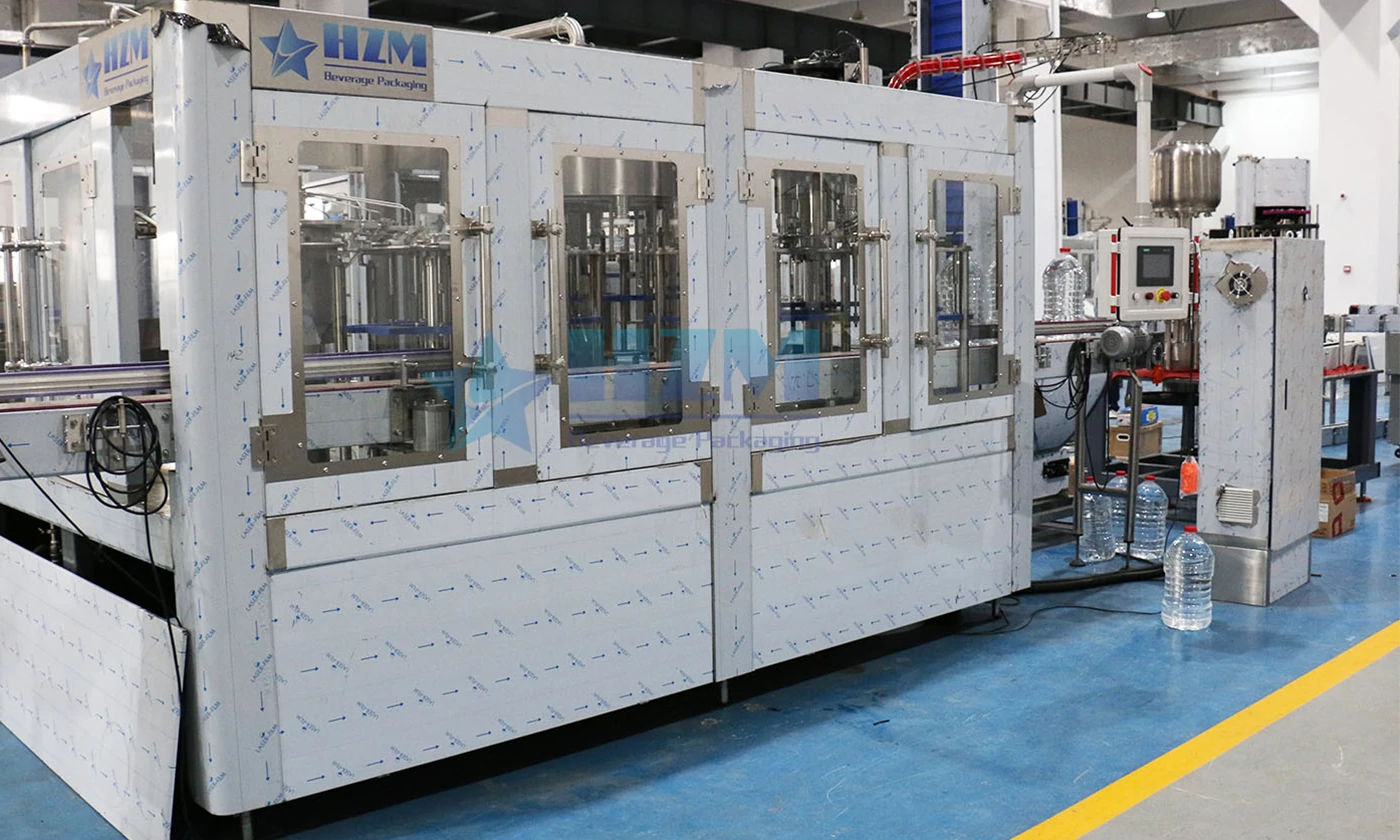
Equipment
5L-10L Large Bottle Drinking Water production line
XGF12-12-4 rinsing, filling and capping for 5 L and 10 L water bottles, with stable outputs of 1,200 and 700 bottles/hour respectively.
Learn more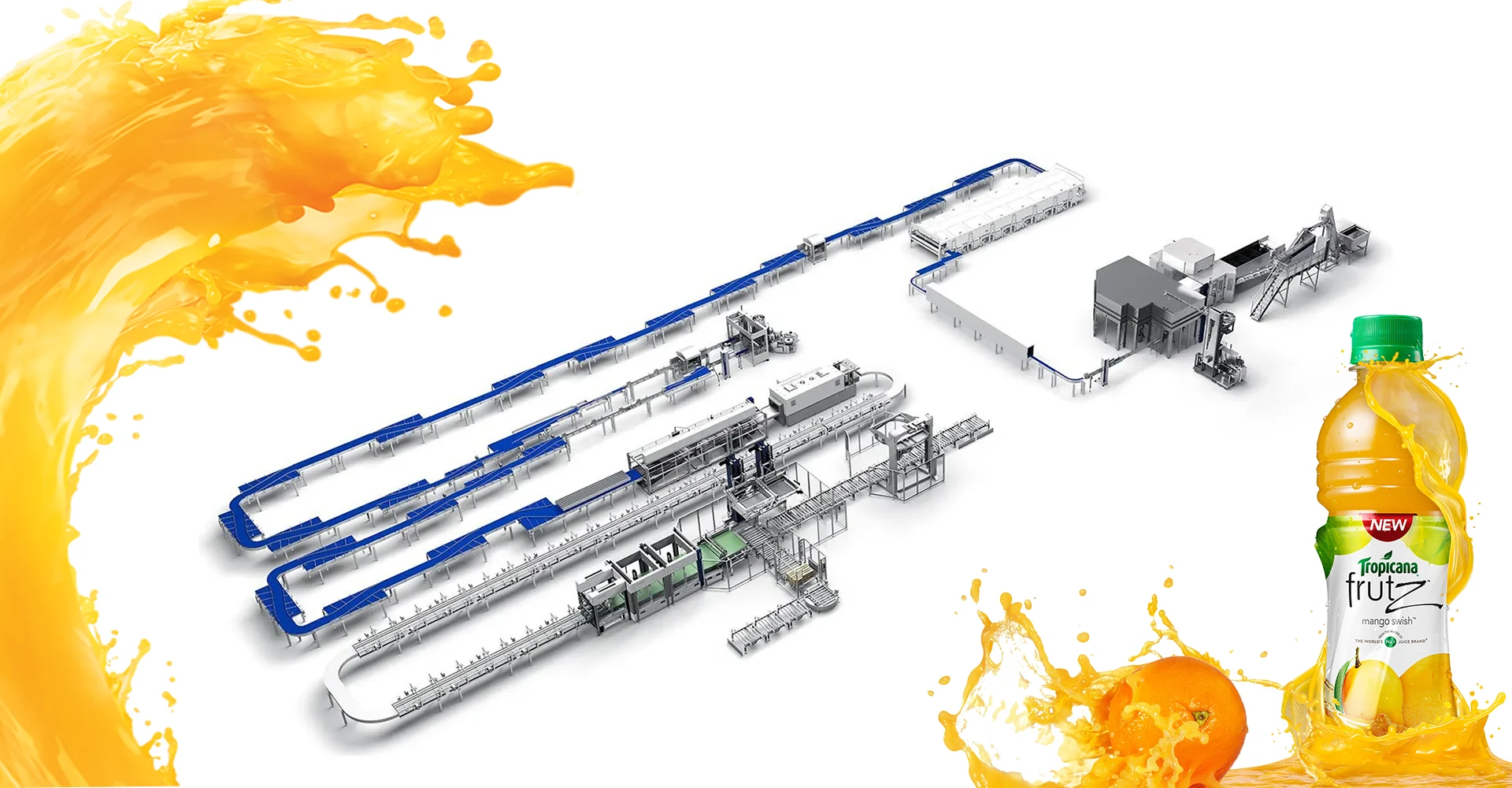
Equipment
Beverage Filling Line – Juice, Water, Soft Drinks, cola, Beer
Complete beverage filling lines for juice, water, soft drinks and beer, with bottle and can packaging options.
Learn more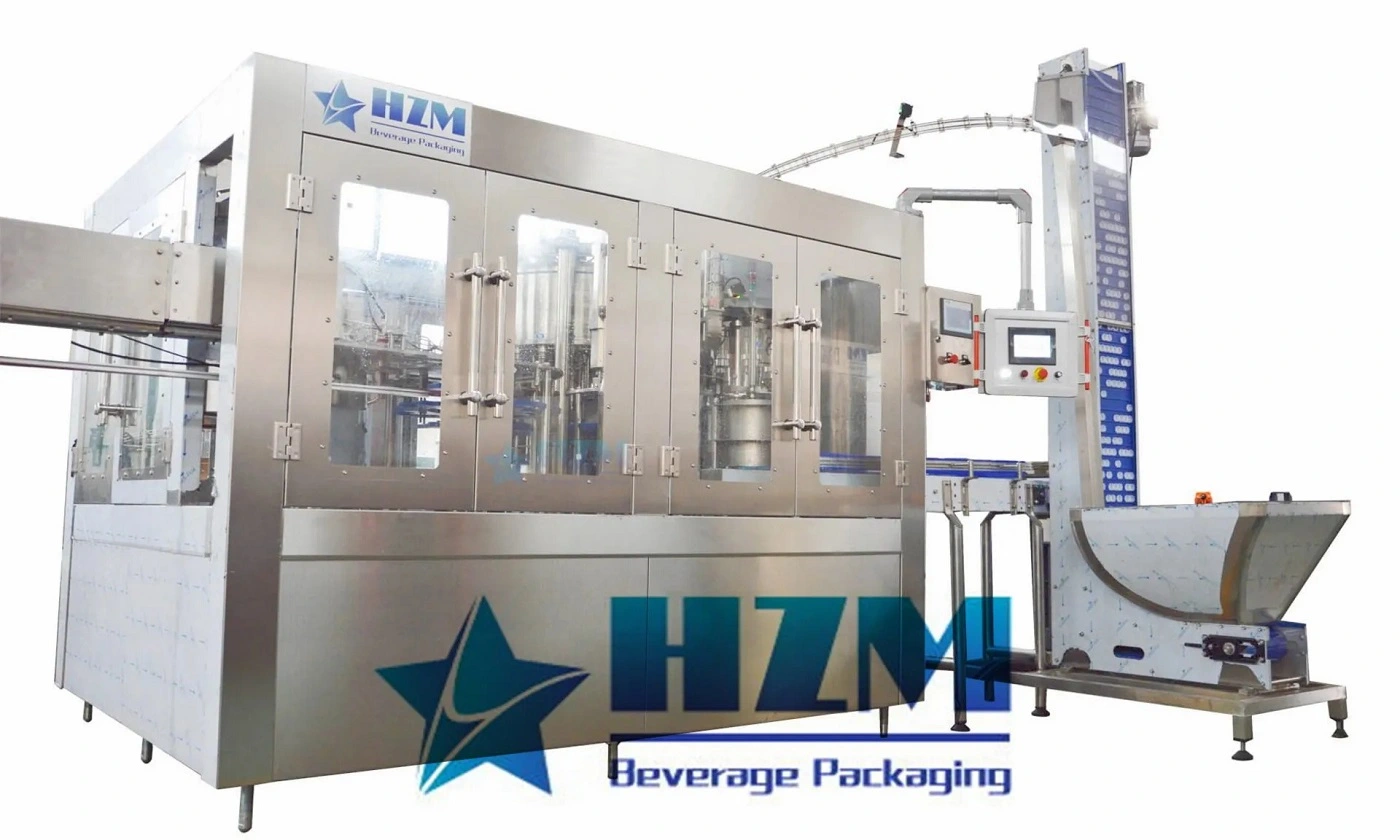
Equipment
Automatic Drinking Water Bottling Machine
Drinking-water bottling equipment with automatic rinsing, filling and capping, plus conveying, labelling and packing options.
Learn more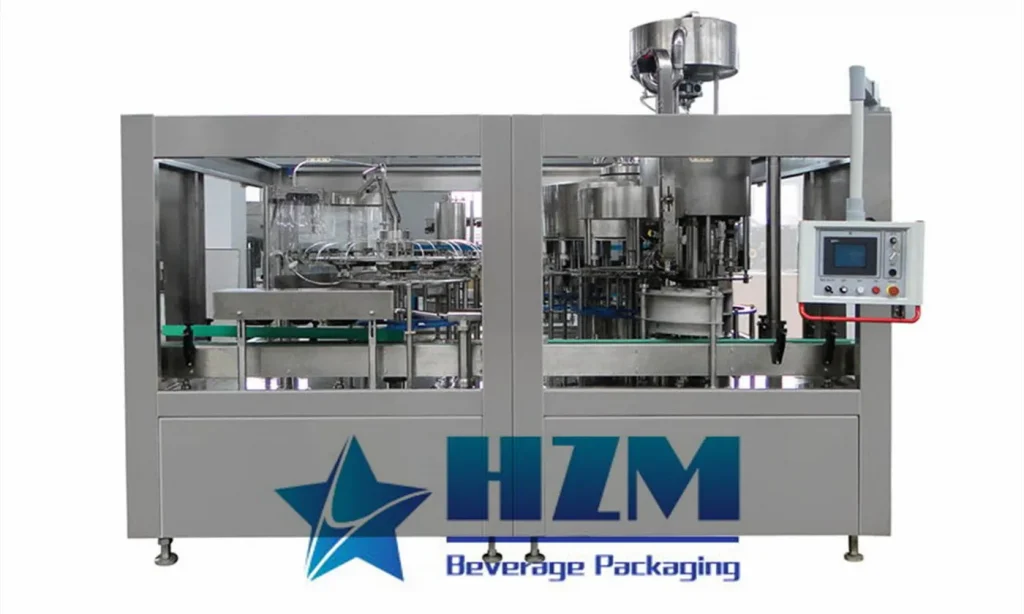
2023-06-27
What is the Working Principle of 3 in 1 Water Filling Machine?
Do you want to set up a unit where you will be manufacturing non-carbonated drinks and filling them into bottles? Now you must decide whether you want to get different machines with different functions like one for cleaning, filling and one for capping or you would like to get 3 in 1 water filling machine?
Learn more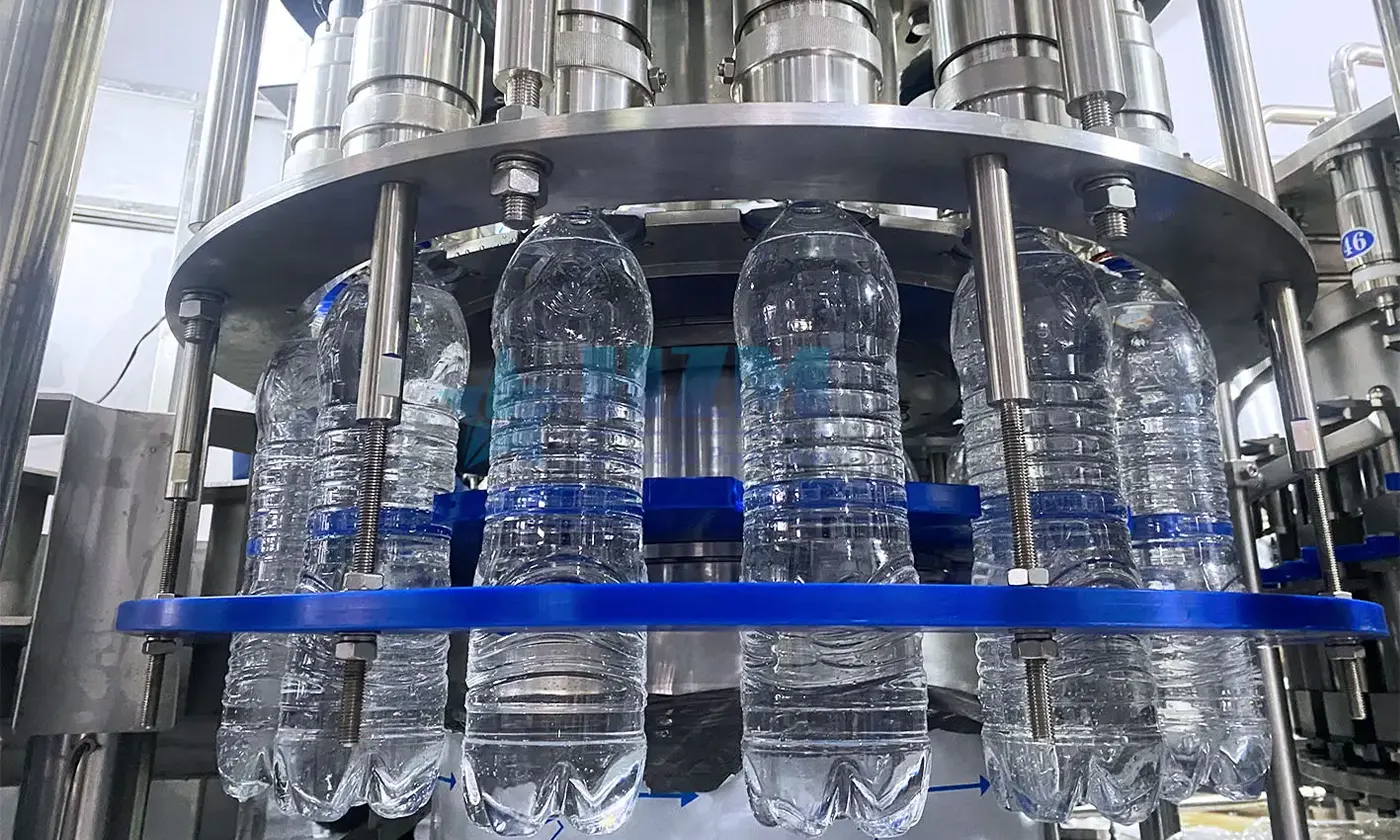
2023-12-24
Water Filling Machine for Sale
If you are interested in purchasing a water filling machine, please contact us today. We would be happy to discuss your needs and recommend the best machine for your application.
Learn more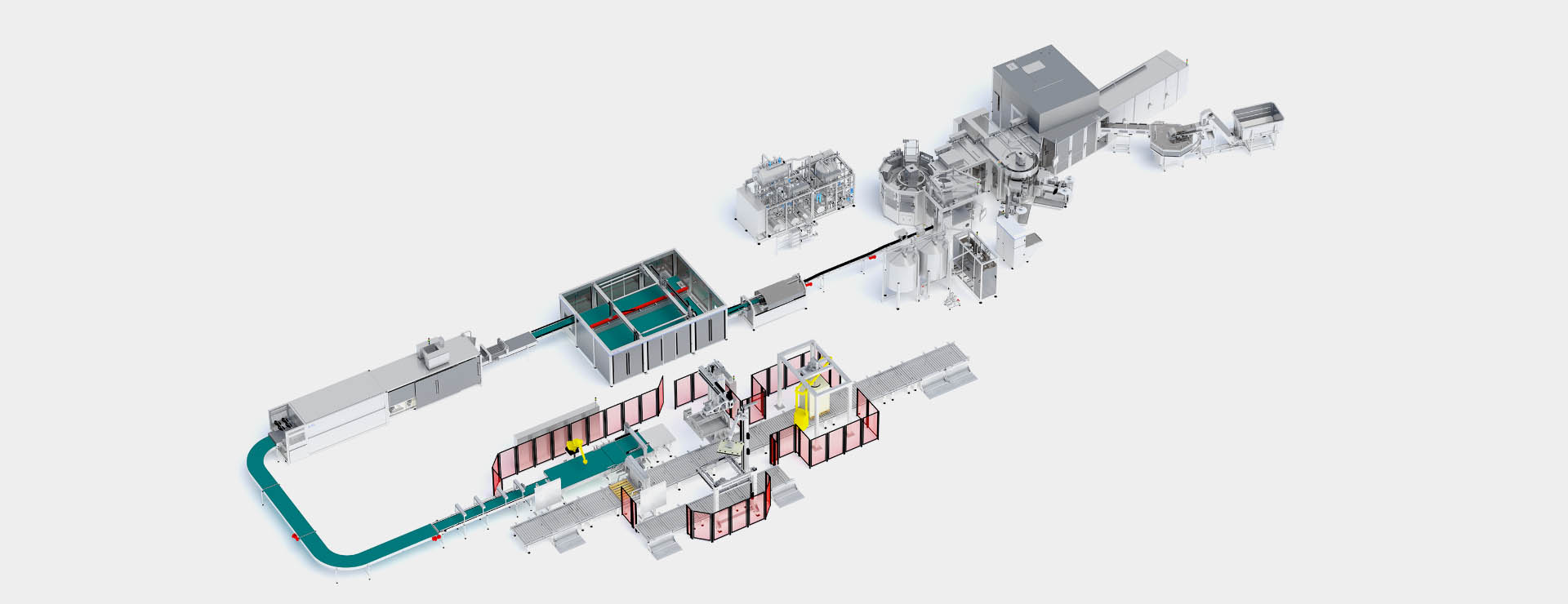
2023-09-26
Carbonated Soft Drink (CSD) Filling Machine
CSD Filling Machines are typically automated or semi-automated systems that can fill a large number of containers quickly and consistently. They often include components like bottle rinsers, filling nozzles, carbonation systems, and capping or sealing stations to complete the packaging process.
Learn more2023-06-06
Mineral Water / Soft Drink PET Bottle Machine Production Equipment
With the exponential growth of the Mineral water and soft drink /juice /milk and bevarage industry HZM offers a complete range of bowing filling ( rfc) and complete line packaging solutions HZM range of Pet bottle blowers are specially designed for these Fast Moving Consumer Goods .
Learn more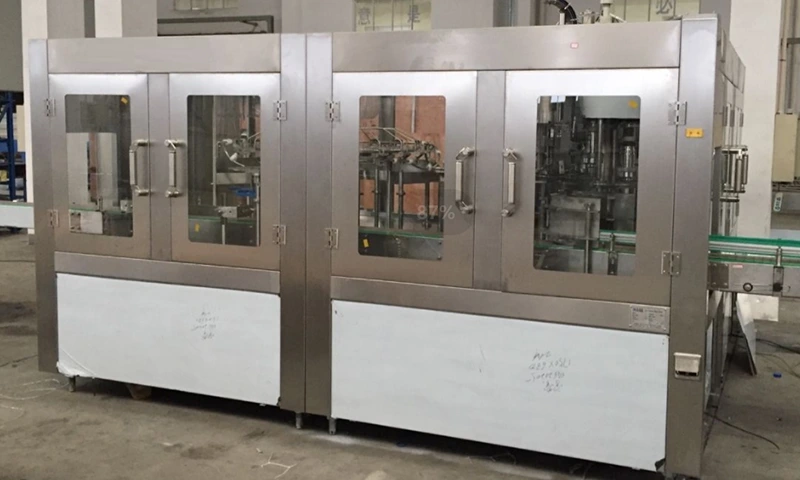
2026-03-20
How to Choose a 10L Water Filling Machine for Your Bottling Plant (1200BPH Solution)
Learn how to choose a 10L water filling machine for your bottling plant. Discover features, benefits, and complete 1200BPH water production solutions.
Learn more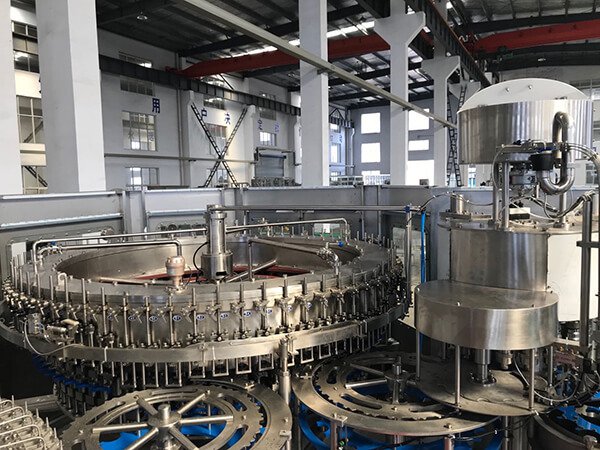
2023-03-24
Carbonated Soft Drink Packaging Process
The word “carbonated” means that the soft drink is packaged into the container with carbon dioxide under pressure. The production process for the carbonated drink, consists of a series of stages which occur within the carbonated soft drink filling line. The process begins with obtaining water. The water obtained undergoes processes of purification, filtration in sand, […]
Learn more