Blog

Provides production line solutions for bottled water, beverages, beer and edible oils, including water treatment systems, bottle blowing machines, filling machines, packaging machines, labeling machines and other necessary equipment.

2026-09-13

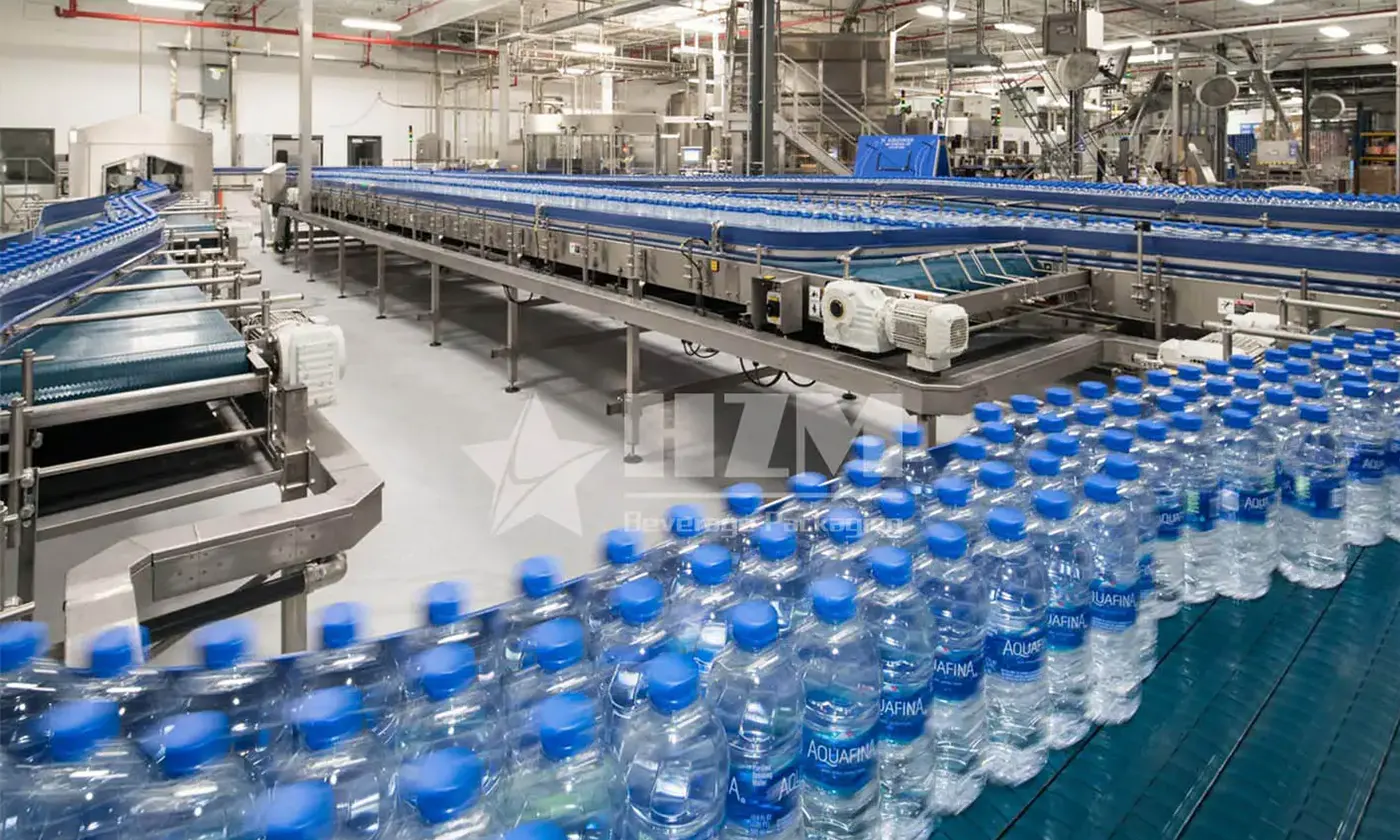
Microbial Counts Rise in a Bottled-Water Production Line

Place product on hold and map samples from treatment through storage, filler, caps and package. Review sanitation coverage, stagnation, tank vents, carbon media, ozone or UV control, filler hygiene and environmental practices. Follow this practical fault-isolation, repair and prevention guide for bottling-line operators and maintenance teams.

Learn more
2026-09-10

CIP Temperature Will Not Reach or Hold the Setpoint

Check temperature measurement and circulation first, then verify heating-utility pressure, control valve, steam trap, heat exchanger, condensate removal, tank losses and route flow. Follow this practical fault-isolation, repair and prevention guide for bottling-line operators and maintenance teams.

Learn more
2026-09-09

Conveyor Chain Is Noisy, Surging or Wearing Too Fast

Inspect lubrication, chain tension and elongation, sprocket alignment, return path, wear strips, contamination and load. Do not tighten a worn chain until the root cause is known. Follow this practical fault-isolation, repair and prevention guide for bottling-line operators and maintenance teams.

Learn more
2026-09-06

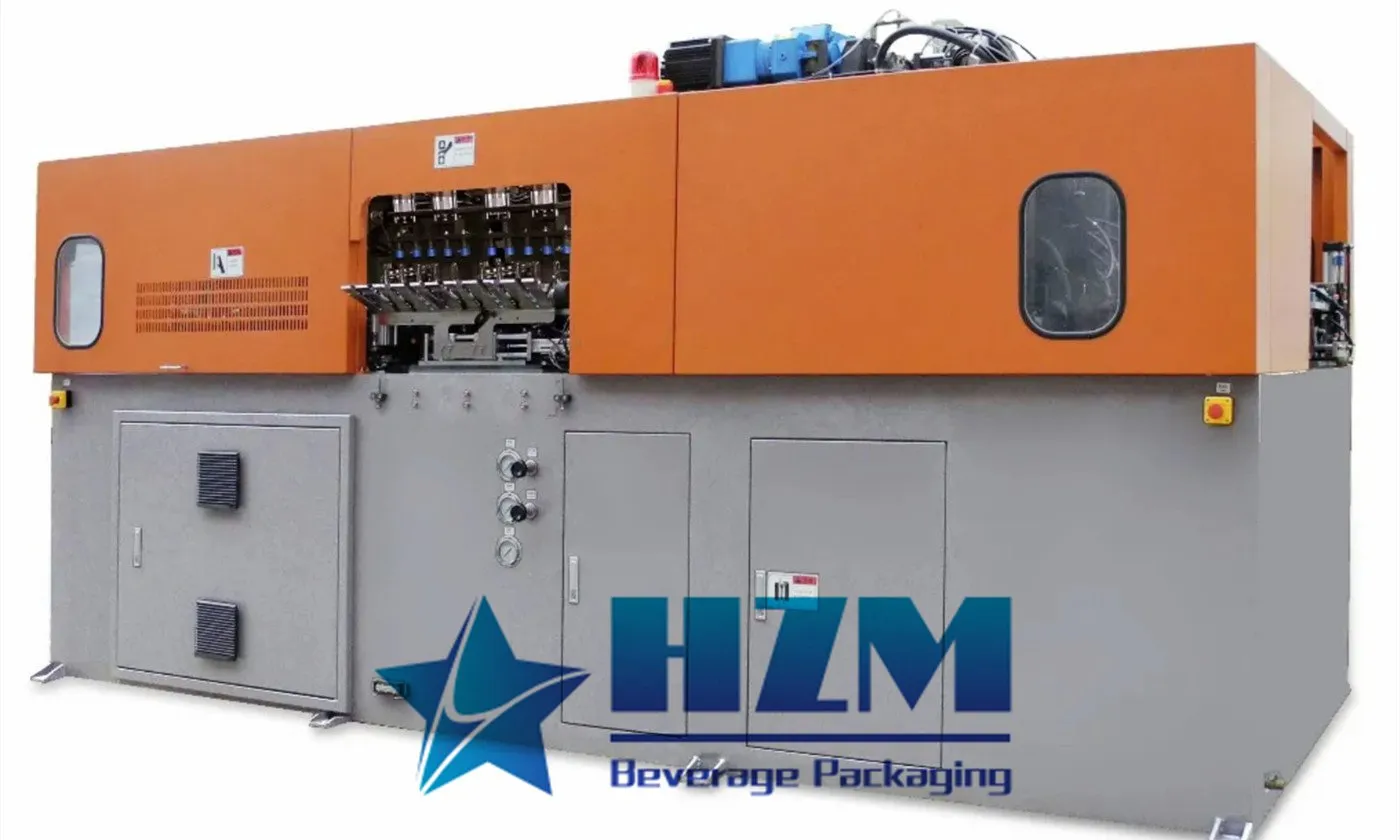
PET Bottles Burst During Blowing or Pressure Test

Stop and identify whether failure starts at a material-thin zone, a preform defect, a damaged mould surface, excessive pressure or incomplete cooling. Preserve cavity-coded fragments and pressure data. Follow this practical fault-isolation, repair and prevention guide for bottling-line operators and maintenance teams.

Learn more
2026-09-04

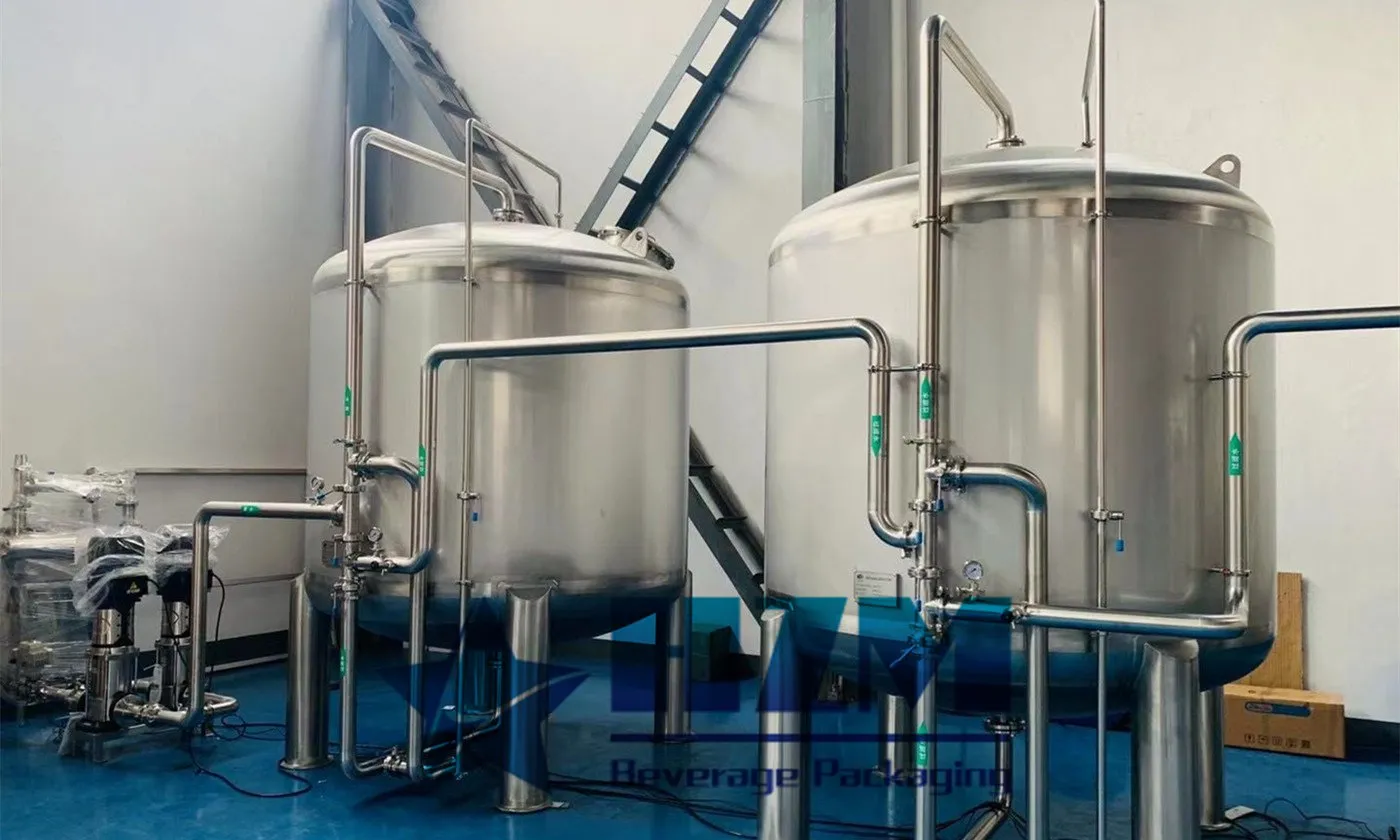
RO Differential Pressure Keeps Rising: Fouling Location Matters

Locate the stage where pressure loss is increasing and relate it to normalized flow and salt passage. A first-stage rise often points to particulate or biological fouling; a later-stage rise can indicate scale, but feed analysis is required. Follow this practical fault-isolation, repair and prevention guide for bottling-line operators and maintenance teams.

Learn more
2026-09-02

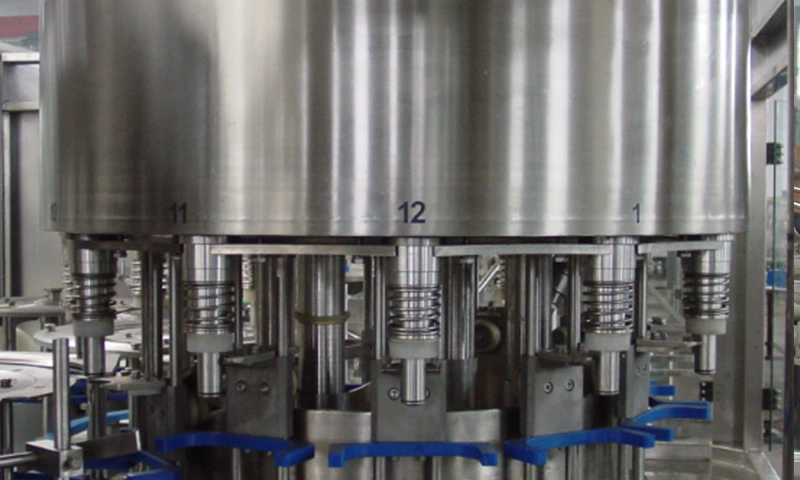
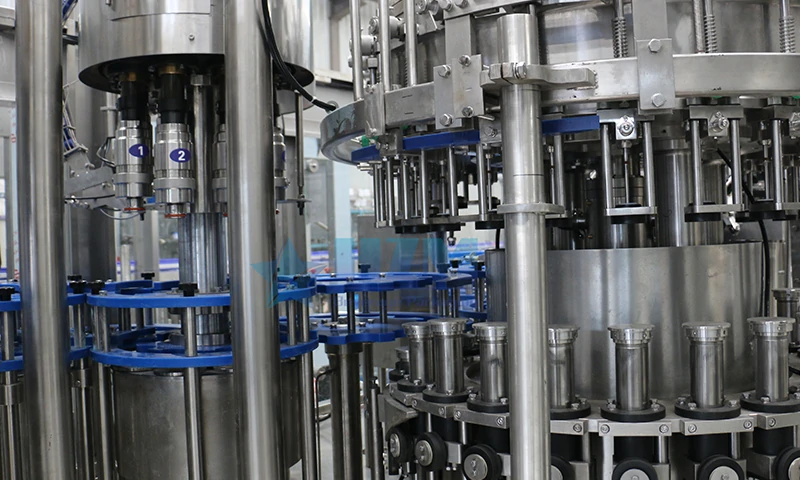
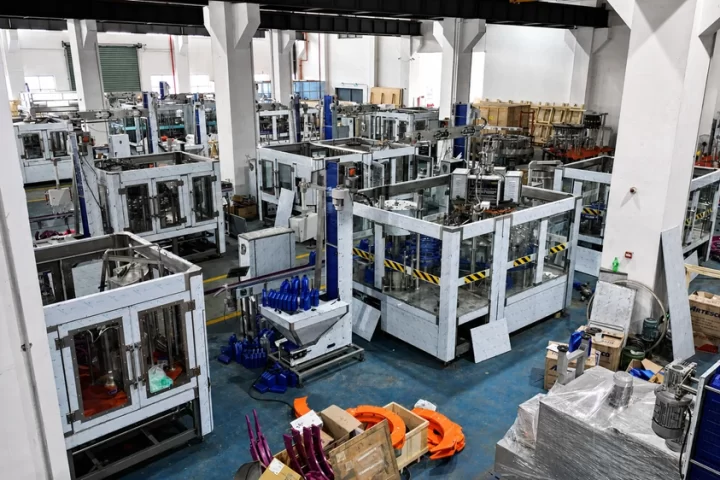
Why Do Filling Valves Drip After the Bottle Leaves?

Dripping usually comes from contamination on the valve seat, worn or swollen seals, trapped pressure, incorrect closing timing or product viscosity outside the setup window. Identify whether the leak follows one valve or the entire filler. Follow this practical fault-isolation, repair and prevention guide for bottling-line operators and maintenance teams.

Learn more
2026-08-28

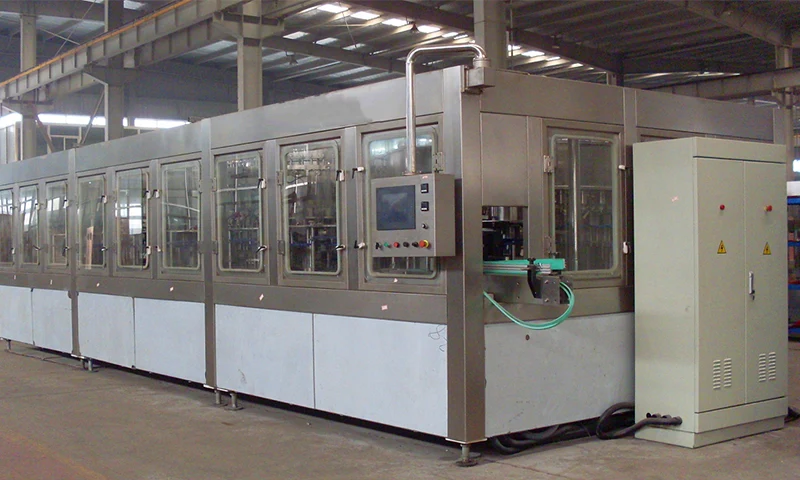
Sleeve Labels Wrinkle After the Shrink Tunnel

Determine whether the sleeve was straight before entering the tunnel. Then check film shrink curve, tunnel-zone temperature, airflow or steam distribution, bottle moisture, conveyor speed and container geometry. Follow this practical fault-isolation, repair and prevention guide for bottling-line operators and maintenance teams.

Learn more
2026-08-23

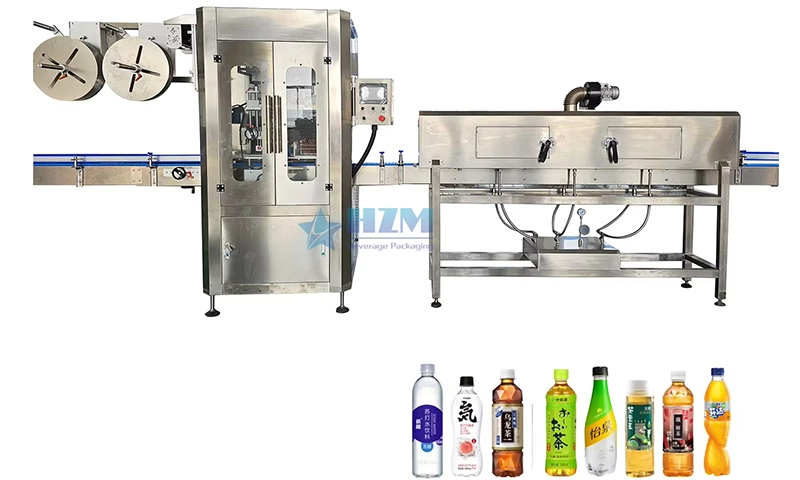
Bottle Rinser Has Low Spray Pressure: Causes and Repair Steps

Check whether the loss affects the entire rinser or only several nozzles. System-wide loss points to supply, pump, filter or valve problems; a local pattern points to blocked nozzles, damaged tubing or a misaligned bottle. Follow this practical fault-isolation, repair and prevention guide for bottling-line operators and maintenance teams.

Learn more
2026-08-20

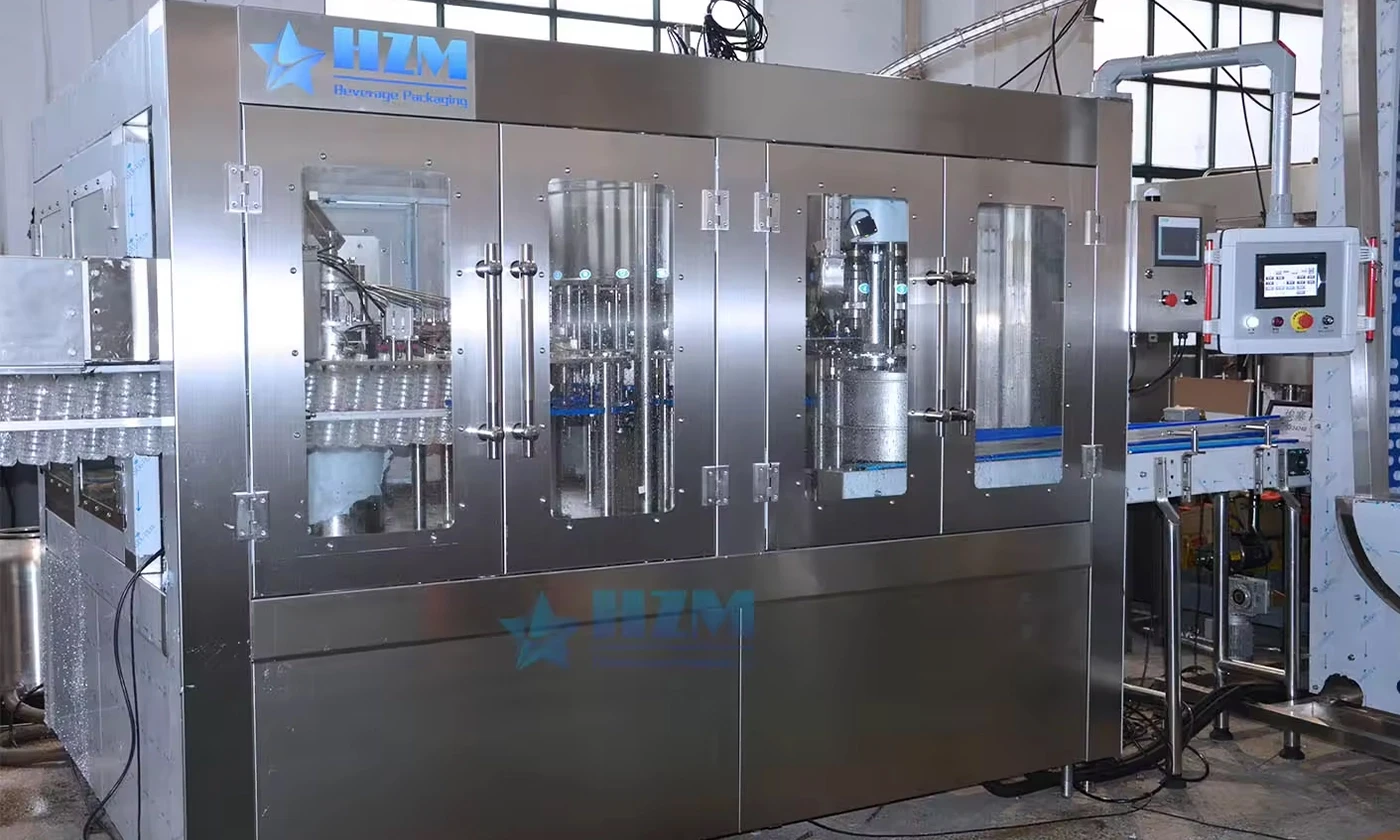
Bottle Conveyor Jams at the Same Location Every Shift

Mark the first contact point and inspect guide transitions, chain condition, dead plates, speed change, bottle dimensions, lubrication and upstream accumulation. The pile-up often occurs downstream of the actual interference. Follow this practical fault-isolation, repair and prevention guide for bottling-line operators and maintenance teams.

Learn more
2026-08-16

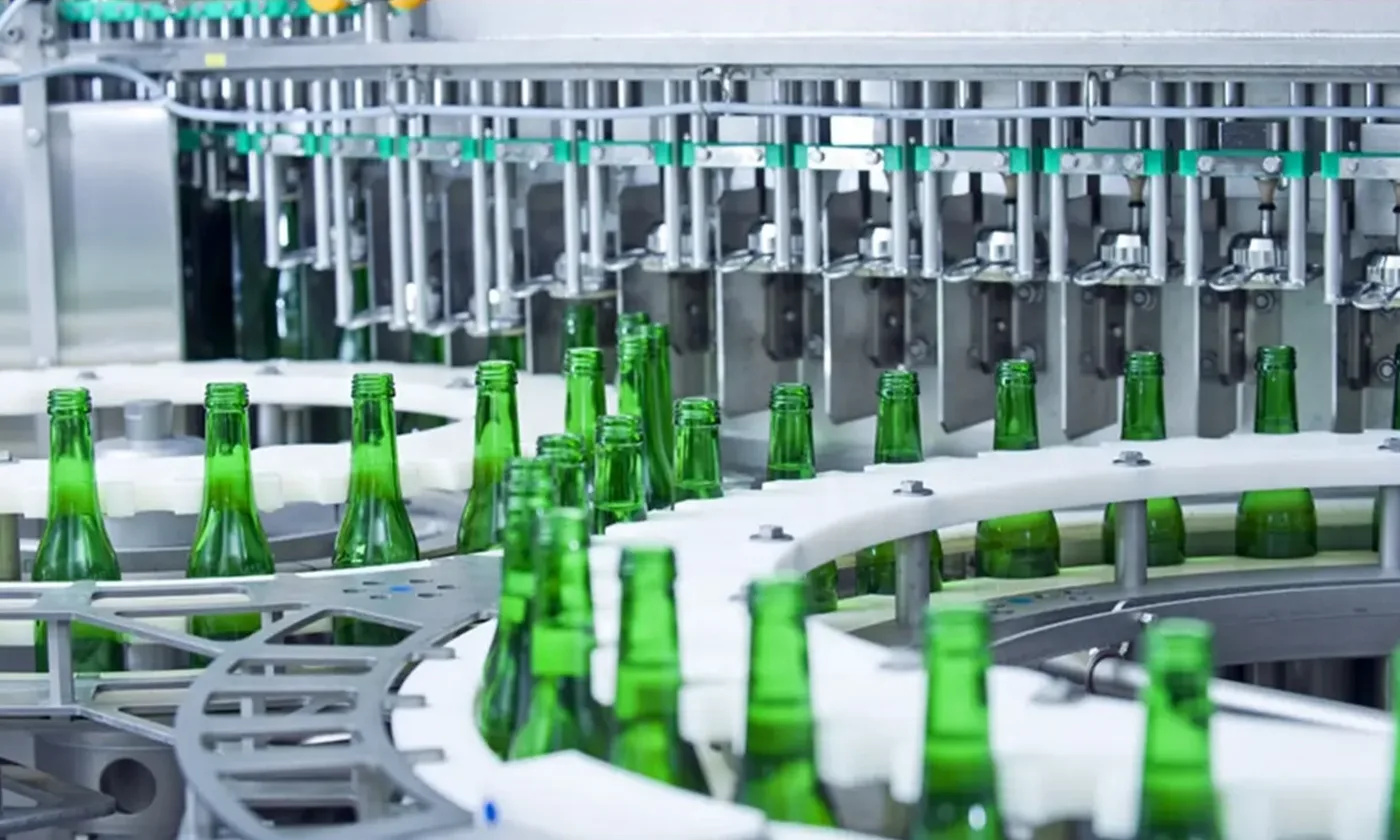
Glass Bottle Fill Levels Vary by Valve: How to Isolate the Fault

Map the defect by filling valve and bottle lot. Verify bottle internal-volume variation, lift and seal condition, vent-tube depth, valve cleanliness, tank level and product pressure before altering the global fill-height setting. Follow this practical fault-isolation, repair and prevention guide for bottling-line operators and maintenance teams.

Learn more
2026-07-17

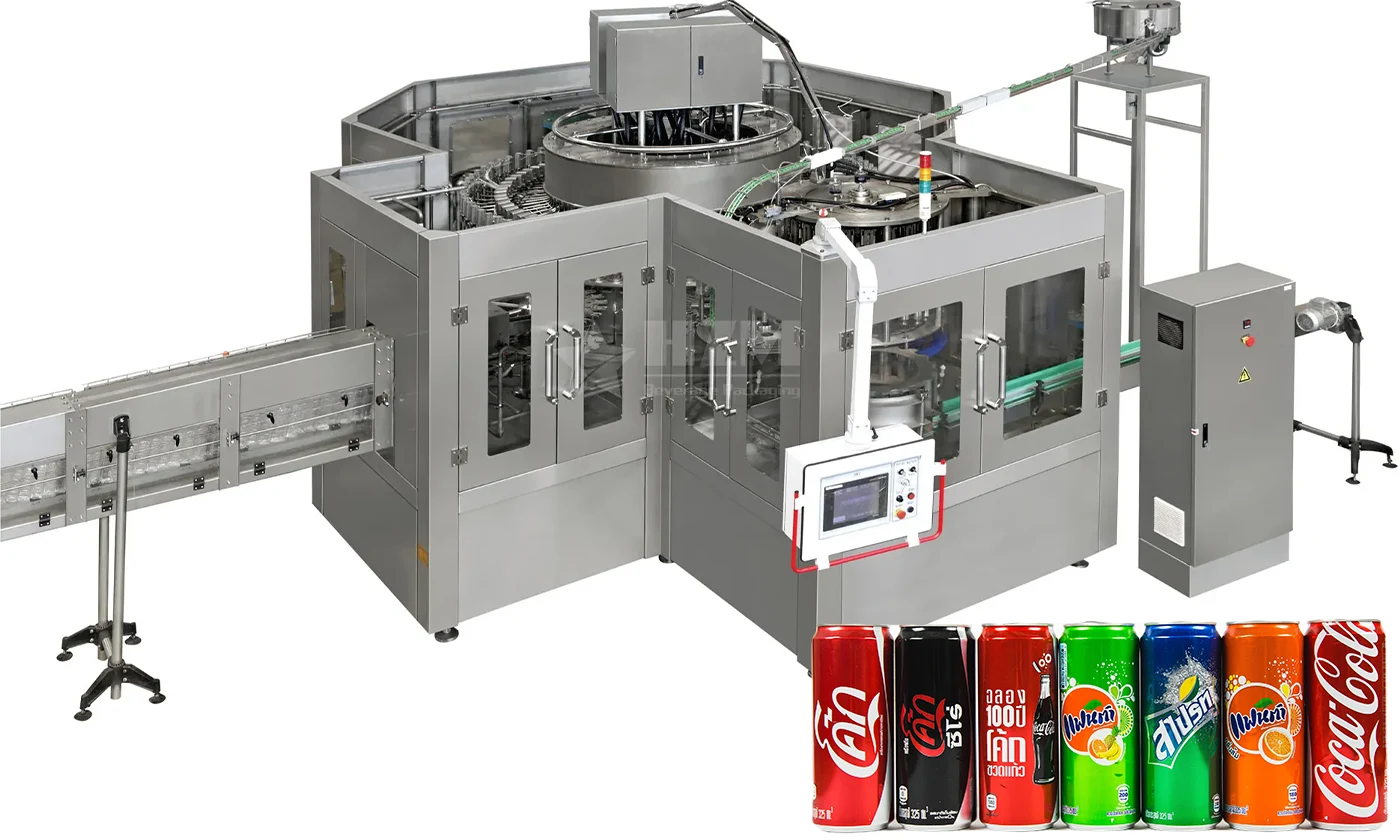
Global Heatwaves Drive Beverage Demand: Why Production Line Expansion Requires More Than a Faster Filling Machine

As temperatures rise across many parts of the world, demand for chilled beverages is increasing rapidly. Bottled water, carbonated soft drinks, sports drinks, iced tea, juice and other ready-to-drink products are moving through supermarkets, convenience stores, restaurants and distribution centers faster than usual. For beverage manufacturers, the summer sales season is creating both an opportunity […]

Learn more

2026-06-29

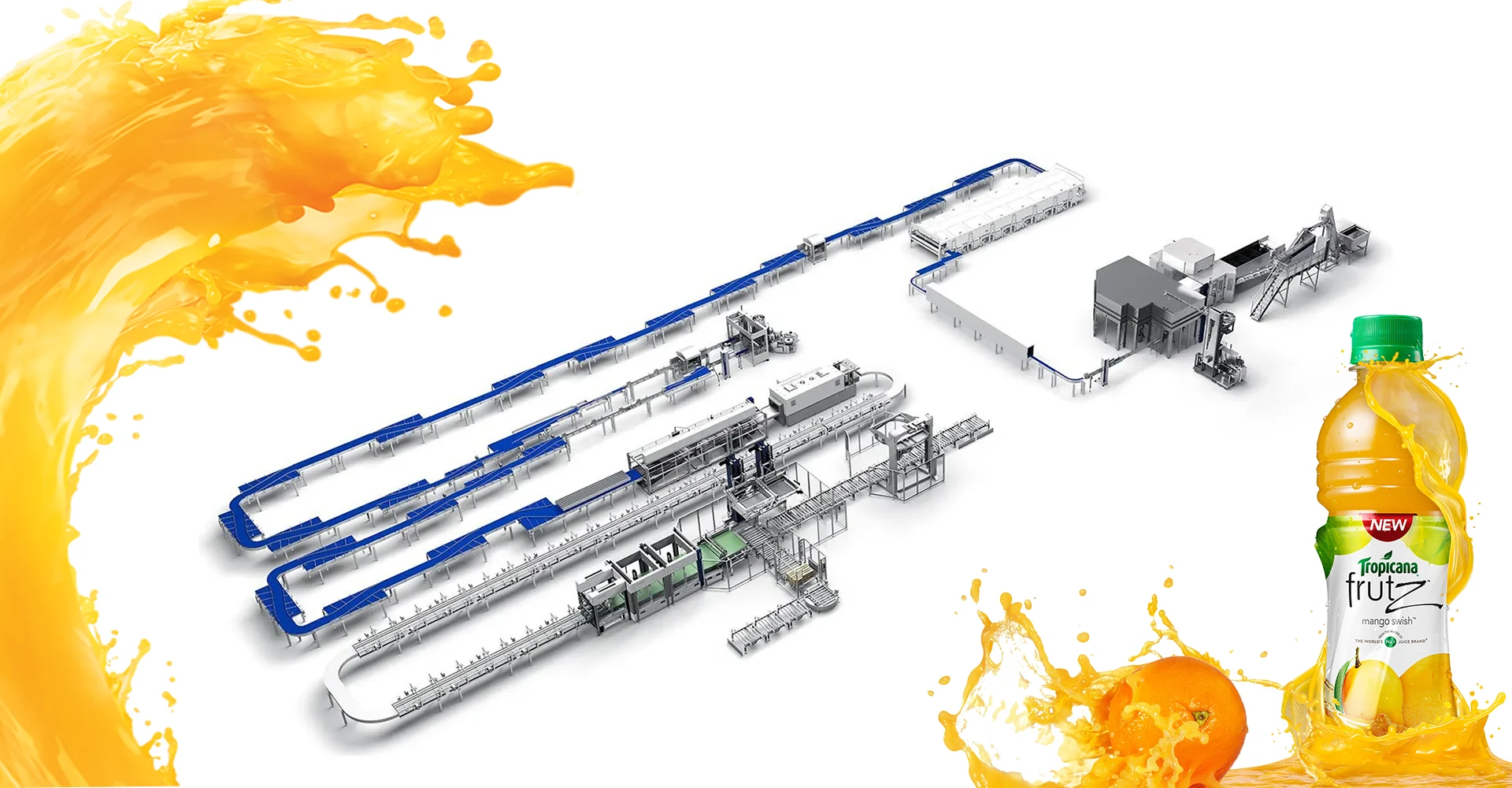
10,000 BPH Water and Beverage Filling Line Equipment List, Cost and Factory Layout Guide

1. Project Overview (Baseline Assumptions) To ensure practical engineering accuracy: Product: Bottled water / juice / low-sugar beverages (multi-purpose line) Bottle type: 500ml PET bottle Capacity: 10,000 bottles/hour (BPH) Operation: 20 hours/day Daily output: ~200,000 bottles Automation level: Medium-high fully automatic line 2. Complete Production Line Equipment Configuration 2.1 Water Treatment System (Front-end Processing) Used […]

Learn more

2026-06-16

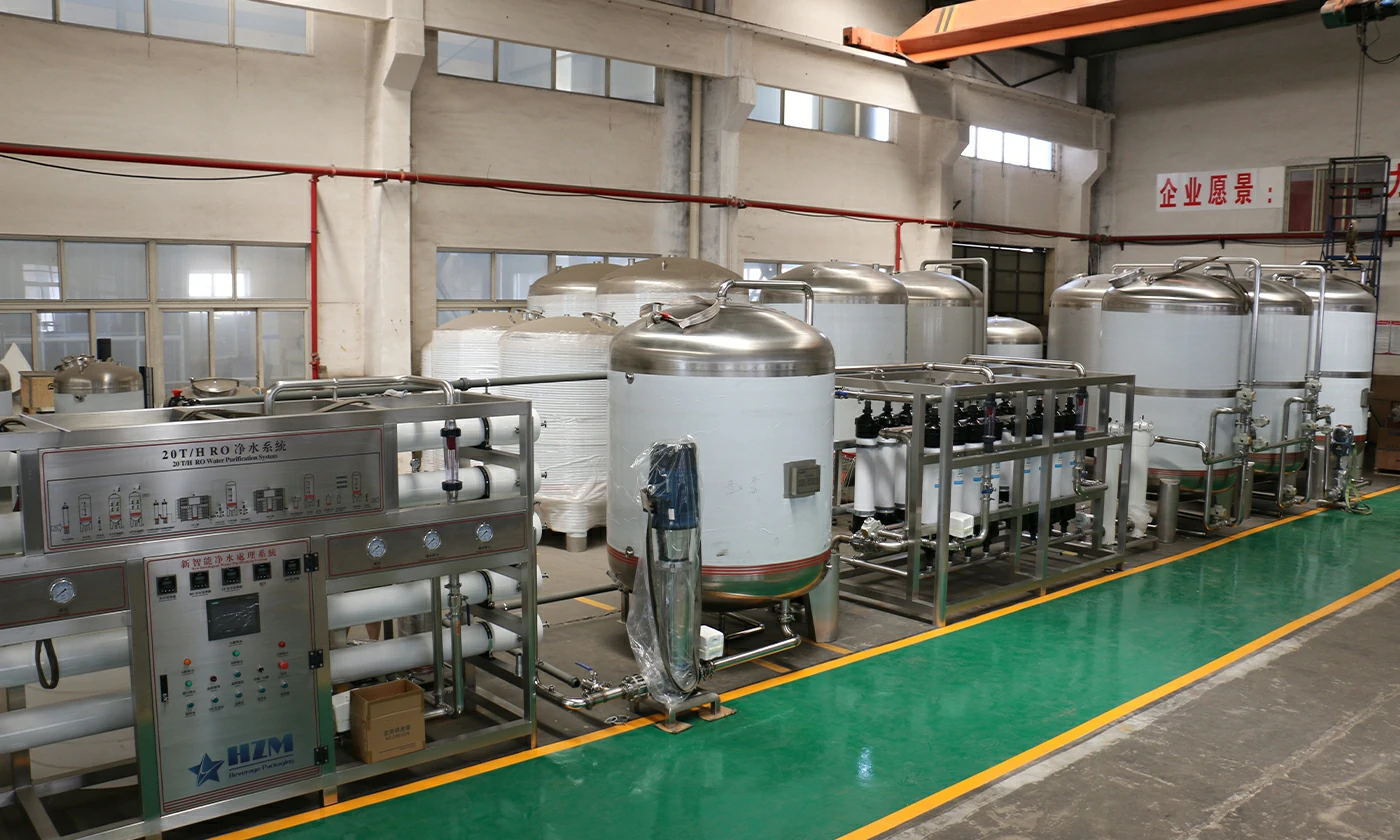
What Equipment is Needed to Produce Bottled Drinking Water

A bottled drinking water production line is a fully integrated system composed of purification, bottle production, filling, sealing, labeling, and packaging equipment. Each machine plays a specific role in ensuring the final product is safe, consistent, and ready for market distribution.

Learn more
About Blog

Read practical HZM Machinery guides for planning and operating water and beverage production lines. Topics cover water treatment, beverage processing, PET bottle blowing, filling, labeling, secondary packaging, capacity selection, factory layout, maintenance and purchasing decisions for bottled water, juice and carbonated drink projects.

Build your production line

Talk with an HZM beverage packaging specialist

Tell us your beverage, container, capacity and target market. Our engineering team will prepare a practical line proposal.
WhatsApp Email Facebook